Cruise hidden fees can turn an affordable vacation into a much more expensive trip, especially when you only budget for the cruise fare, taxes, and a few drinks. If you’re comparing cruise prices or preparing for an upcoming sailing, knowing which extra costs to expect can help you avoid surprises and decide what is actually worth paying for.
The tricky part is that many cruise expenses aren’t genuinely hidden. They’re listed somewhere in the booking details, onboard account, or cruise line’s policies. They’re just easy to overlook when you’re focused on the advertised fare.
Some charges are unavoidable, while others depend on your habits, choices, and the ship you’re sailing on. A family buying drinks, booking shore excursions, and using onboard internet can have a very different final bill from someone who enjoys included dining and spends most of the vacation relaxing around the ship.
Here are 11 cruise hidden fees and commonly overlooked costs to understand before you book.
Table of Contents
Cruise Hidden Fees: The 11 Costs to Watch For
Before getting into the details, here’s a quick look at the expenses that can increase your cruise budget.
| Cost | Why Travelers Miss It |
|---|---|
| 1. Daily gratuities | They may not be included in the advertised fare |
| 2. Drinks and beverage packages | Included drinks are more limited than some expect |
| 3. Specialty dining | Extra-charge restaurants look like part of the ship’s regular dining scene |
| 4. Internet access | Wi-Fi often requires a separate purchase |
| 5. Shore excursions | Port activities can cost more than expected |
| 6. Port transportation | Getting from the ship to town isn’t always free |
| 7. Room service and food extras | Some food and delivery options carry charges |
| 8. Laundry and pressing | Most standard laundry services aren’t automatically included |
| 9. Spa and salon services | Advertised prices may not reflect the full cost |
| 10. Onboard shopping and activities | Small purchases can add up quickly |
| 11. Travel documents, insurance, and pre-cruise costs | Expenses begin before you reach the ship |
Not every cruise line charges for every item. Your ship, itinerary, fare type, loyalty benefits, and onboard choices all affect the final cost.
1. Daily Gratuities

Daily gratuities are one of the easiest cruise expenses to forget when comparing fares.
Many cruise lines add a daily service charge to each guest’s onboard account. The amount can vary by cruise line, cabin category, and sailing, and some lines allow you to prepay it before departure.
The important thing is to understand whether gratuities are already included in the fare you’re considering.
For a couple or family, a daily charge per person can become a noticeable amount over a week-long cruise. It is especially easy to underestimate when the booking price initially looks attractive.
How to avoid a surprise:
- Check whether gratuities are included in your fare.
- Find out whether they are charged per person, per night.
- Check whether suite guests have a different rate.
- Decide whether prepaying makes budgeting easier.
- Understand the cruise line’s policy before making any changes to prepaid gratuities.
Also remember that some onboard purchases may have an additional gratuity or service charge. A drink, spa treatment, or specialty dining purchase may cost more than the menu price suggests.
2. Drinks and Beverage Packages

Drinks can become one of the biggest optional expenses on a cruise. Many cruise fares include basic beverages, but that doesn’t necessarily mean everything you want to drink is covered.
Depending on the cruise line, specialty coffees, bottled water, soda, energy drinks, alcoholic beverages, and premium juices may cost extra. This is where travelers can underestimate their spending.
A few coffees, bottled waters, and drinks by the pool might seem inexpensive individually. Over several days, those purchases can add up.
Beverage packages can help, but they aren’t automatically a good deal. You need to consider how much you realistically drink, whether everyone in your booking needs a package, and which beverages are included.
My advice: Don’t buy a beverage package just because you think you’ll use it. Work out what you would actually order on a typical sea day and compare that with the package price, including any applicable taxes or service charges.
For a more detailed breakdown, use my cruise drink package calculator to know whether the drink package is worth it or not.
3. Specialty Dining

Cruise ships often have several restaurants beyond the main dining room and buffet. Some are included in the fare, while others charge an additional fee.
Specialty dining can be a great way to make a cruise feel different, particularly if you enjoy trying new restaurants. The problem is assuming every restaurant onboard is included.
Depending on the ship, you might find steakhouses, Italian restaurants, sushi venues, seafood restaurants, or other dining experiences with separate pricing.
There are also different ways specialty restaurants charge. Some use a fixed cover charge, while others price food individually. Certain items or premium selections may cost extra even when you have a dining package.
How to avoid a surprise:
- Check which restaurants are included.
- Look at the pricing structure before making a reservation.
- Read the dining package exclusions.
- Check whether premium menu items carry additional charges.
- Avoid booking multiple specialty restaurants before deciding how much you want to spend.
You don’t need to pay extra to eat well on most cruises. The included dining options may be perfectly sufficient, especially if you’re happy with the main dining room and buffet.
4. Internet Access

Cruise ship Wi-Fi is another expense that can catch first-time cruisers off guard.
You might assume your phone’s normal mobile data will work at sea, but that’s not a safe assumption. Cellular service at sea can involve maritime networks with potentially expensive charges. Many travelers choose to purchase an onboard internet package instead.
The cost and available plans vary by cruise line and ship. Some packages are designed for basic browsing and messaging, while others support more demanding activities such as video calls or streaming.
A few things worth considering:
- Do you need internet throughout the cruise?
- Can you manage with occasional access?
- Does your cruise line offer a messaging option?
- Are multiple devices included or charged separately?
- Does your package cover the same service in every port?
If you only want to check messages occasionally, you may not need the most expensive package. If you work remotely or need reliable access, the cheapest option may not meet your needs.
Also, don’t forget to check your phone’s roaming settings before sailing. Accidentally connecting to a maritime cellular network can create a much more unpleasant bill than purchasing a planned Wi-Fi package.
Most important: Before connecting to Wi-Fi in port, be aware of the hidden risks and unexpected charges that can catch cruisers off guard. Read my guide to cruise port Wi-Fi risks before you sail.
5. Shore Excursions

Shore excursions can be among the most memorable parts of a cruise, but they can also add substantially to the overall vacation cost.
The cruise fare generally gets you to the destination. It doesn’t necessarily pay for the activities you want to do once you arrive.
Popular excursions can include:
- Snorkeling and scuba diving
- Beach clubs and resort day passes
- Guided city tours
- Food and cultural experiences
- Ziplining and adventure activities
- Boat trips and sightseeing tours
- Wildlife encounters
The price can vary considerably depending on the destination, activity, duration, and group size.
Families can feel this expense particularly strongly. An excursion that looks reasonably priced for one adult may become much more expensive when multiplied across several travelers.
Don’t assume you need an excursion in every port. Sometimes a simple walk around town, a public beach, or an independent sightseeing plan is enough to enjoy the destination.
However, booking through the cruise line can provide an important advantage when timing is a concern. If a cruise-line-sponsored excursion is delayed, the ship generally has procedures to account for that. Independent tours don’t offer the same protection automatically.
The best choice depends on the port, the distance from the ship, and how comfortable you are arranging your own transportation.
6. Transportation at Cruise Ports
Getting off the ship doesn’t always mean you’re already where you want to be.
Some cruise ports are close to the main attractions, while others are several miles from town or require a shuttle, taxi, ferry, or other transportation. This is an easy expense to overlook when planning a cruise itinerary.
You might budget for a beach day, for example, without considering the cost of getting there and returning to the ship.
Potential transportation expenses include:
- Port shuttles
- Taxis and rideshares
- Local buses
- Water taxis and ferries
- Rental cars
- Private transfers
- Parking near the port
Some ports offer complimentary transportation, but you shouldn’t assume that’s the case everywhere.
Before sailing, research how far the cruise terminal is from the places you want to visit. A port’s name can make it sound as though the ship docks directly in the destination, even when the actual terminal is some distance away.
A useful budgeting trick: Estimate transportation costs separately from excursion costs. Even if you plan to explore independently, getting around may not be free.
7. Room Service and Food Extras

One of the appealing parts of cruising is having food available throughout the day. However, not every food option is necessarily included.
Some cruise lines offer complimentary room service selections, while others charge for delivery, certain menu items, or late-night orders. Even when room service itself is included, premium items may carry an additional cost.
Other food-related expenses can include:
- Premium snacks
- Specialty desserts
- Extra-charge food counters
- Certain casual dining venues
- In-room treats
- Special occasion packages
The details vary significantly between cruise lines and ships. This is one reason it’s worth checking the dining information for your specific sailing rather than relying on what someone experienced on a different ship.
If you’re happy with the included dining venues, you can often avoid most of these charges without feeling like you’re missing out.
8. Laundry and Pressing
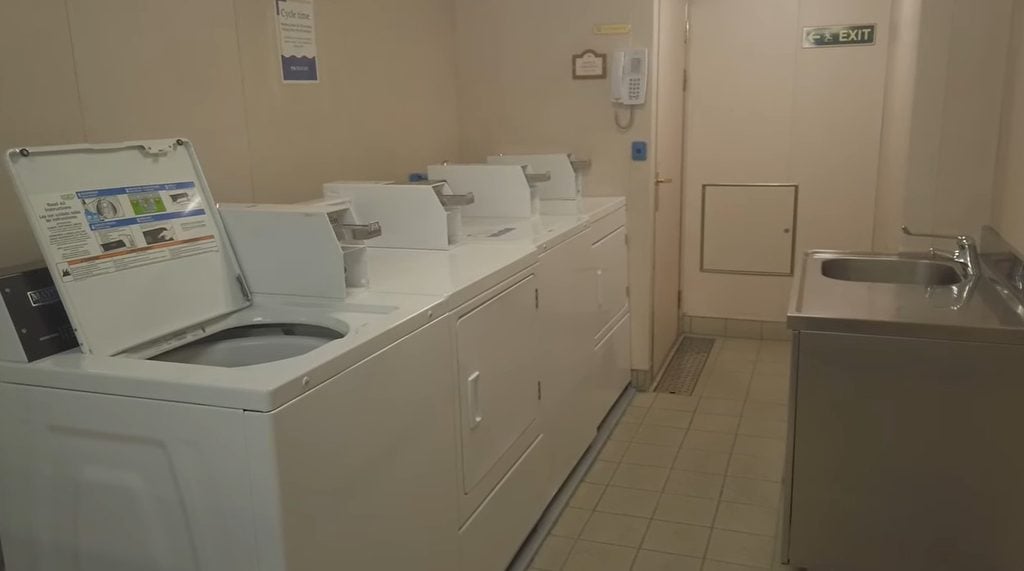
Laundry is not usually the first expense people think about when booking a cruise, but it can become important on longer sailings.
Most cruise ships offer some form of laundry service, but washing, drying, pressing, and dry cleaning may carry separate charges.
Some cruise lines also offer laundry packages or special promotions, while loyalty members may receive certain benefits.
The cost can be particularly frustrating if you pack too lightly and end up needing several items cleaned during the trip.
How to keep this expense under control:
- Pack enough everyday clothing for your itinerary.
- Bring a few versatile items that can be worn more than once.
- Check whether your ship has self-service laundry facilities.
- Compare individual laundry prices with any available package.
- Look for loyalty benefits that may apply to your sailing.
For a short cruise, packing enough clothing is often the simplest solution. For a longer itinerary, paying for laundry may be more convenient than bringing an enormous suitcase.
9. Spa and Salon Services

Cruise ship spas can be tempting, especially when you’re looking for a relaxing day at sea. The problem is that advertised treatment prices may not represent the complete amount you’ll pay.
Depending on the service and cruise line, additional gratuities or service charges may apply. Some treatments also involve optional upgrades or products.
Common extra expenses include:
- Massages
- Facials
- Haircuts and styling
- Manicures and pedicures
- Specialty treatments
- Spa packages
- Retail skincare products
You may also encounter promotional offers that make a treatment sound cheaper than it initially appears. Make sure you understand what is included and whether the quoted price is the final price.
Spa services can be worth paying for if they’re an important part of your vacation. But don’t feel pressured to book something simply because the ship advertises a limited-time offer.
If relaxation is your priority, remember that you can enjoy many shipboard spaces without purchasing a treatment.
10. Onboard Shopping and Activities

A cruise ship can make it surprisingly easy to spend money without feeling as though you’re making major purchases.
A souvenir here, a photo package there, an arcade visit, or a small treat can gradually increase your onboard account.
Some common optional expenses include:
- Professional photo packages
- Arcade games
- Casino spending
- Souvenirs and clothing
- Watches and jewelry
- Art purchases
- Bingo and other paid games
- Special onboard activities
Not every ship offers the same activities, and some experiences are included in the cruise fare while others have a separate charge. The biggest issue is that these purchases often feel small in the moment.
A family might visit the arcade several times, buy a few souvenirs, and purchase photos without realizing how much those decisions add to the final bill.
Set a simple onboard spending limit before you sail. It doesn’t need to be complicated. Decide how much you want to spend on extras and keep an eye on your account throughout the cruise.
11. Travel Documents, Insurance, and Pre-Cruise Costs
Some of the most overlooked cruise expenses happen before you even board the ship. Travelers often focus on the onboard bill and forget about the costs required to get to the port and meet travel requirements.
Depending on your itinerary and personal circumstances, these may include:
- Passport applications or renewals
- Visas and entry authorizations
- Travel insurance
- Flights
- Hotel stays before the cruise
- Airport transfers
- Port parking
- Luggage fees
- Pet care or house sitting
These expenses can make a significant difference when comparing the true cost of two cruise vacations.
For example, a cruise with a lower advertised fare may not be the better value if it requires expensive flights, an overnight hotel stay, and additional transportation.
Travel insurance deserves particular attention. It is an optional purchase in many situations, but it can help protect against certain covered problems, depending on the policy.
Read the coverage details carefully. Don’t assume every policy covers every cancellation, medical expense, missed connection, or travel disruption.
My recommendation: Build your cruise budget around the entire trip, not just the amount shown on the cruise booking page.
What Cruise Costs Are Actually Worth Paying For?
Not every extra charge is a bad deal. Some expenses can make a cruise more convenient, enjoyable, or comfortable.
The important thing is to distinguish between costs that improve your vacation and costs you can easily avoid.
| Extra Expense | When It May Be Worth It | When to Skip It |
|---|---|---|
| Beverage package | You regularly buy enough covered drinks to justify the price | You mostly drink included beverages |
| Specialty dining | You enjoy trying different restaurants | You’re happy with included dining |
| Internet package | You need dependable access throughout the cruise | You only need occasional connectivity |
| Shore excursion | The activity is difficult to arrange independently | You can comfortably explore on your own |
| Spa treatment | It is an experience you genuinely want | You’re booking because of sales pressure |
| Laundry service | You’re on a long cruise or need convenience | You can pack enough clothing |
| Photo package | You value professional vacation photos | You rarely look at or purchase cruise photos |
My view is that the best cruise budget isn’t necessarily the smallest one. It’s the one that pays for the things you genuinely care about while avoiding expenses that don’t improve your experience.
How to Avoid Cruise Hidden Fees Before You Book

The easiest way to control cruise spending is to research the extras before making your reservation. Don’t wait until you’re onboard to discover which services cost more.
Use this checklist when comparing cruise options:
- Check whether daily gratuities are included.
- Review the drinks included in your fare.
- Compare beverage package prices with your likely spending.
- Check specialty restaurant pricing.
- Review internet package options.
- Research excursion prices at each port.
- Find out whether transportation is available from the terminal.
- Check room service and casual dining charges.
- Review laundry service prices.
- Look for additional spa gratuities or service charges.
- Check the cost of flights, hotels, parking, and transfers.
- Review travel insurance options.
- Check whether your booking includes any relevant onboard credits or benefits.
You should also read the terms of any promotion carefully. A cruise advertised with onboard credit, included drinks, or other perks may have conditions that affect the actual value.
How to Keep Your Final Cruise Bill Under Control to Avoid Cruise Hidden Fees
Even with careful planning, you may spend more onboard than you expected. That’s why monitoring your account during the cruise is important.
Most major cruise lines provide a way to review onboard purchases through the ship’s app, cabin television, or guest services. Check your account regularly rather than waiting until the final morning.
A few practical habits can help:
1. Check your onboard account every day.
Look for unfamiliar purchases, duplicate charges, or expenses you didn’t expect.
2. Be careful with automatic purchases.
Some onboard activities and services may charge directly to your cabin account. Make sure everyone in your travel party understands how onboard spending works.
3. Don’t buy packages without comparing them.
A package can look like a bargain but still cost more than paying individually.
4. Set a daily spending target.
This is especially useful for families. It gives everyone a reasonable idea of how much they can spend on optional activities.
5. Review the final statement before leaving.
If something doesn’t look right, ask guest services about it while you’re still onboard whenever possible.
Want to avoid unpleasant surprises when your cruise ends? Here’s a closer look at hidden cruise charges that can inflate your final bill and how to avoid them.
Who Should Pay Extra for Cruise Add-Ons?
The right approach depends on how you travel.
Families
Families should pay particular attention to per-person charges. An optional activity or package that seems affordable for one guest can become expensive when multiplied across several family members.
Prioritize the experiences everyone will enjoy rather than trying to buy every available upgrade.
First-Time Cruisers
First-time cruisers should be especially careful about assuming that everything onboard is included.
Start with the basics: gratuities, drinks, internet, dining, and shore excursions. These are often the expenses most likely to change your original budget.
Budget-Conscious Travelers
If keeping the overall cost low is your priority, focus on the included dining, complimentary activities, and independent port exploration where practical.
Avoid purchasing packages simply because they’re promoted as convenient.
Travelers Who Value Convenience
Paying extra can make sense if it saves time or removes stress. A convenient transfer, reliable internet package, or well-organized excursion may be worth more to you than the money saved by arranging everything independently.
Luxury-Focused Travelers
If premium dining, spa treatments, and exclusive experiences are important to your vacation, budget for them in advance.
The goal isn’t to avoid spending money. It’s to avoid being surprised by it.
Common Mistakes to Avoid: Cruise Hidden Fees
Mistake 1: Comparing Cruises Only by the Advertised Fare
Why it is a problem: The advertised fare may not include gratuities, drinks, internet, excursions, or transportation. A cheaper cruise can become more expensive once you add the extras you actually want.
Extra considerations: Compare similar itineraries, cabin categories, sailing dates, and inclusions rather than looking at the headline fare alone.
Better alternatives: Create an estimated total-trip budget for each cruise before choosing one.
Mistake 2: Assuming Everything Onboard Is Included
Why it is a problem: Cruise ships offer a mixture of complimentary and extra-charge restaurants, activities, services, and entertainment.
Extra considerations: The included options can vary by cruise line and ship, so advice from another sailing may not apply to yours.
Better alternatives: Review the specific ship’s dining and activity information before departure.
Mistake 3: Buying Packages Without Doing the Math
Why it is a problem: A package can cost more than paying individually if you don’t use enough of its benefits.
Extra considerations: Check exclusions, service charges, taxes, and whether every traveler in your booking must purchase the package.
Better alternatives: Estimate your actual usage and compare the total cost with individual purchases.
Mistake 4: Forgetting About Transportation in Port
Why it is a problem: An inexpensive independent beach or sightseeing day can become much more expensive when you add taxis, shuttles, and other transportation.
Extra considerations: Some cruise terminals are far from the attractions travelers expect to visit.
Better alternatives: Research terminal locations and transportation options before deciding what to do in each port.
Mistake 5: Waiting Until the Final Morning to Check Your Bill
Why it is a problem: You may have less time to investigate unexpected charges or resolve a billing issue before leaving the ship.
Extra considerations: Small purchases and automatic charges can accumulate throughout the sailing.
Better alternatives: Review your onboard account daily and raise questions as soon as you notice something unfamiliar.
FAQs About Cruise Hidden Fees
1. What are the most common cruise hidden fees?
Daily gratuities, drinks, internet access, specialty dining, shore excursions, and port transportation are among the most commonly overlooked cruise expenses. The exact charges depend on your cruise line, ship, fare, and choices.
2. Are gratuities included in a cruise fare?
Not always. Some cruise fares include gratuities, while others add a daily service charge to your onboard account. Check your booking details before assuming they’re covered.
3. Do you have to pay for food on a cruise?
Most cruise ships include several dining options in the fare, but specialty restaurants, premium menu items, and certain food services may cost extra.
4. Is Wi-Fi included on a cruise hidden fees?
It depends on the cruise line, ship, and fare. Some bookings include internet benefits, but many travelers need to purchase a separate package for regular onboard access.
5. Are cruise ship activities free?
Many activities are included, but some have additional charges. Examples can include arcade games, casino activities, certain special experiences, and some organized events.
6. Do cruise lines charge extra for room service?
Some cruise lines offer complimentary room service selections, while others charge delivery fees or additional amounts for certain menu items. Check the policy for your specific ship.
7. Are shore excursions included in the cruise price?
Usually not. Shore excursions are generally optional purchases unless a particular promotion or fare specifically includes them.
8. Can you avoid paying for extras on a cruise?
Yes. You can often enjoy a cruise without buying beverage packages, specialty dining, internet, spa treatments, or paid activities. The included options can provide plenty to do and enjoy.
9. When should I check my cruise bill?
Check it throughout your sailing, ideally every day. That gives you time to question unfamiliar charges before the cruise ends.
10. Is a cheaper cruise always the better deal?
No. A lower fare may come with fewer inclusions or require more spending on transportation, drinks, dining, and other extras. Compare the estimated total cost rather than the advertised price alone.
11. How much extra money should I budget for a cruise?
There isn’t one amount that works for every traveler. Your budget depends on the cruise line, itinerary, length of sailing, number of travelers, and the extras you plan to purchase. Estimate your likely expenses individually instead of relying on a generic daily allowance.
Jim’s Take: Cruise Hidden Fees Are Easier to Manage When You Plan Ahead

Cruise hidden fees aren’t a reason to avoid cruising, but they are a good reason to look beyond the advertised fare.
After 20 cruises, my view is that the biggest budgeting mistake is assuming you need to purchase everything the ship offers. You don’t.
A cruise can be enjoyable without a beverage package, specialty dining every night, expensive excursions in every port, or a long list of onboard upgrades.
The included experience is often enough, especially if you choose a ship and itinerary that match what you enjoy.
I’d rather see someone spend money on a genuinely memorable experience than pay for several packages they barely use.
The other thing I’d emphasize is checking the details before booking. Two cruises with similar advertised prices can have very different overall costs once you account for gratuities, transportation, drinks, and other extras.
My advice is to decide what matters most to your vacation, budget for those things, and treat everything else as optional.
That gives you more control over your spending without making the cruise feel like a constant exercise in avoiding charges.
Final Verdict: Cruise Hidden Fees
The best way to handle cruise hidden fees is to build a realistic vacation budget before you book.
Start with the cruise fare, then add gratuities, transportation, drinks, dining, excursions, internet, and any other extras you genuinely expect to use. Don’t forget the costs of getting to the port and returning home.
You don’t have to buy every package or pay for every onboard experience. In fact, skipping unnecessary extras is one of the easiest ways to keep a cruise affordable.
The smartest cruise booking isn’t always the one with the lowest advertised fare. It’s the one that gives you the vacation you want at a total price you’re comfortable paying.