Packing for a cruise might seem straightforward, but some of the things you casually throw into your suitcase at home could cause problems when you arrive at the cruise terminal. Knowing which cruise ship prohibited items are to avoid is important, especially when some everyday belongings may not be allowed onboard.
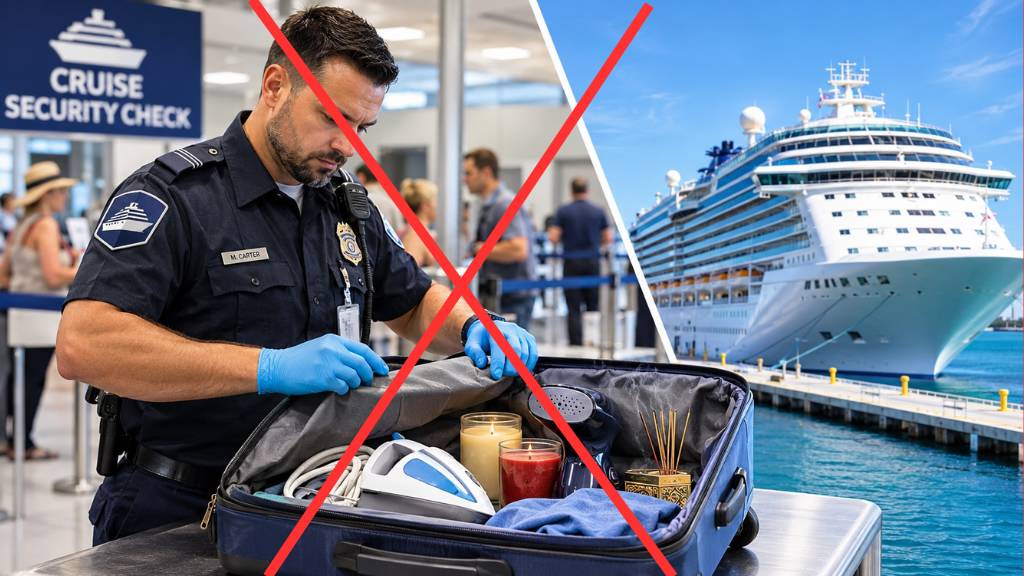
Cruise ship security checks luggage carefully, and certain items can be confiscated before you even step onboard. What makes this more surprising is that some of these belongings are perfectly legal to own and use at home. Yet, bring them on the wrong cruise ship, and you could find yourself without them for the entire vacation.
Even more confusing, cruise lines don’t always have the same rules. Something that passes security on one ship could be prohibited on another.
Before you zip up your suitcase, there are seven types of items worth checking twice. Some might be more surprising than you expect, and overlooking the rules could mean an unwanted delay or having your belongings taken away.
And while you’re preparing for embarkation day, don’t overlook the other common mistakes that can turn the start of your cruise into a headache. Read Embarkation Day Cruise mistakes to avoid.
Table of Contents
Quick Verdict: Cruise Ship Prohibited Items
Cruise ship prohibited items include more than just obvious restricted belongings. Cruise ship security can confiscate everyday household items, electrical accessories, personal devices, and products you might not think twice about packing, potentially causing problems at the terminal.
The rules vary by cruise line, so it’s worth checking your luggage before heading to the port. Below, we’ll cover seven categories of cruise ship prohibited items, why cruise lines restrict them, and what you should know before bringing them onboard.
1. Clothing Irons and Garment Steamers
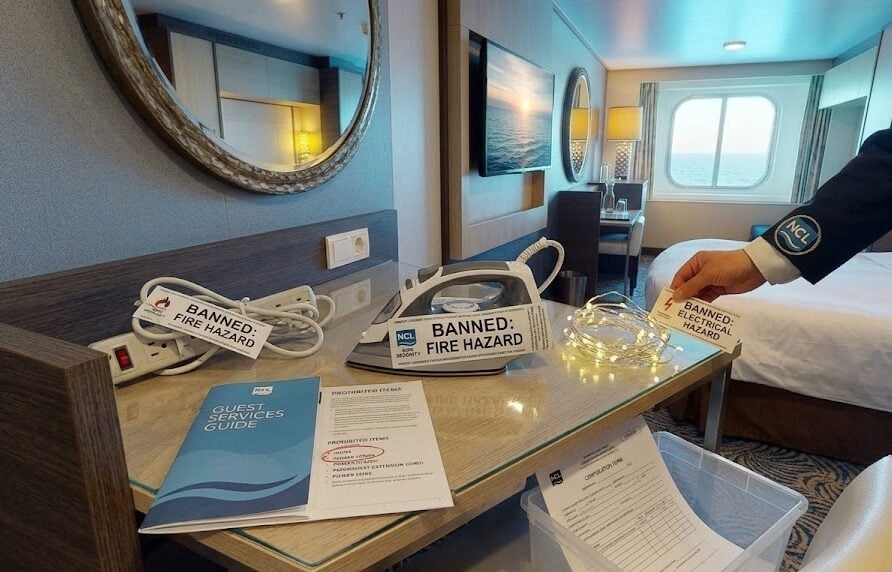
A travel iron or garment steamer might seem like a sensible item to pack, especially if you want your clothes looking presentable for formal night.
Unfortunately, these are among the most commonly restricted cruise packing items.
Cruise ships generally prohibit clothing irons and garment steamers because they produce heat and can create a fire risk inside a small stateroom.
An unattended iron, even for a few minutes, could become a serious safety hazard.
Royal Caribbean and Carnival both prohibit clothing irons and garment steamers. The exact wording and exceptions can differ between cruise lines.
What Can You Bring Instead?
The good news is that you do not need to spend your vacation wearing wrinkled clothes.
Consider packing:
- Wrinkle-release spray, where permitted.
- Lightweight clothing that does not crease easily.
- Travel-friendly fabrics such as knits and wrinkle-resistant materials.
- Clothes that can be hung up shortly after unpacking.
You can also hang suitable clothing in the bathroom while taking a warm shower. This may help relax minor wrinkles, although it is not a substitute for ironing.
My advice: Leave the travel iron and steamer at home. They are not worth risking confiscation.
2. Power Strips and Certain Extension Cords
This is one of the most confusing cruise packing rules because power strips are useful, particularly when you travel with multiple phones, cameras, tablets, and other electronics.
However, some cruise lines prohibit power strips, extension cords, and multi-outlet adapters. The biggest concern is electrical safety, particularly with devices that have surge protection.
For example, Royal Caribbean restricts extension cords and power strips, while Carnival’s rules allow certain non-surge-protected alternatives but reserve the right to remove equipment considered unsafe.
That distinction matters. You should never assume that a power strip permitted on one cruise line will be accepted on another.
What Can You Bring Instead?
Before packing an electrical accessory, check your cruise line’s specific requirements.
Look for permitted charging options, such as:
- Standard USB charging adapters.
- Manufacturer-approved device chargers.
- Certified charging accessories that meet the cruise line’s requirements.
Avoid packing a surge-protected power strip unless your cruise line explicitly permits it.
A useful tip: You may not need as many charging outlets as you think. Check the electrical outlets and USB charging facilities available on your particular ship before buying additional accessories.
3. Candles, Incense, and Other Open-Flame Items
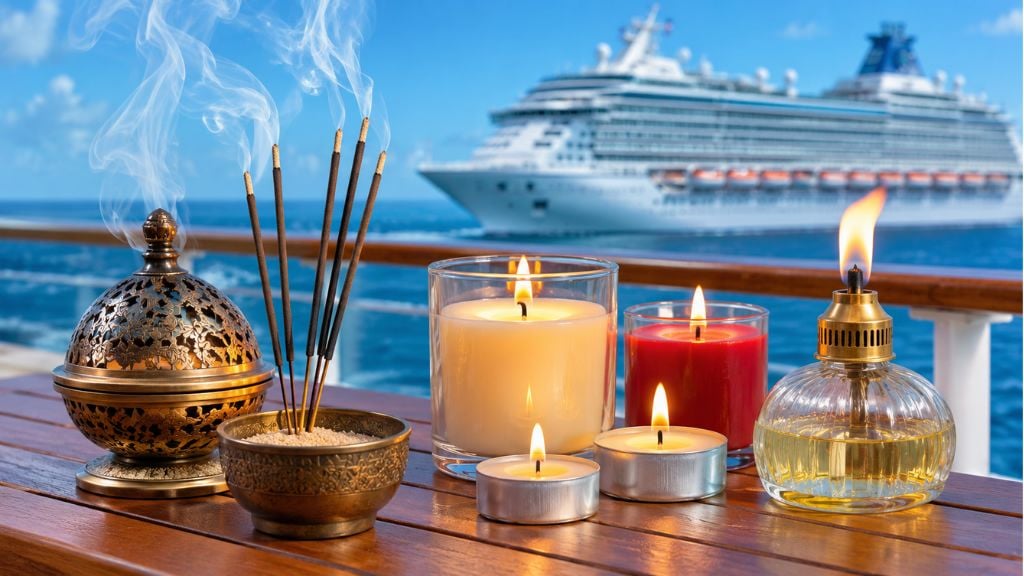
Want to make your cruise cabin feel more relaxing? You might think about packing a scented candle, especially if you enjoy using one at home. Don’t.
Candles and incense are among the cruise ship prohibited items on many major cruise lines because they introduce an unnecessary fire hazard.
Even a small candle can become dangerous if it is left burning unattended, knocked over, or placed near bedding, curtains, or other flammable materials. This also applies to other items that produce an open flame or create a similar fire risk.
What Can You Bring Instead?
If you want your cabin to smell pleasant, consider checking whether your cruise line permits non-flame alternatives.
Depending on the ship’s rules, options may include:
- Unscented toiletries.
- Approved personal fragrance products.
- Non-heated alternatives that do not produce an open flame.
Be careful with plug-in fragrance devices and electrical diffusers. Some cruise lines restrict additional electrical appliances, so check before packing them.
My recommendation: Skip candles entirely. A cruise cabin is a small space, and there are better ways to make it comfortable without introducing a fire risk.
4. Drones and Certain Remote-Controlled Devices
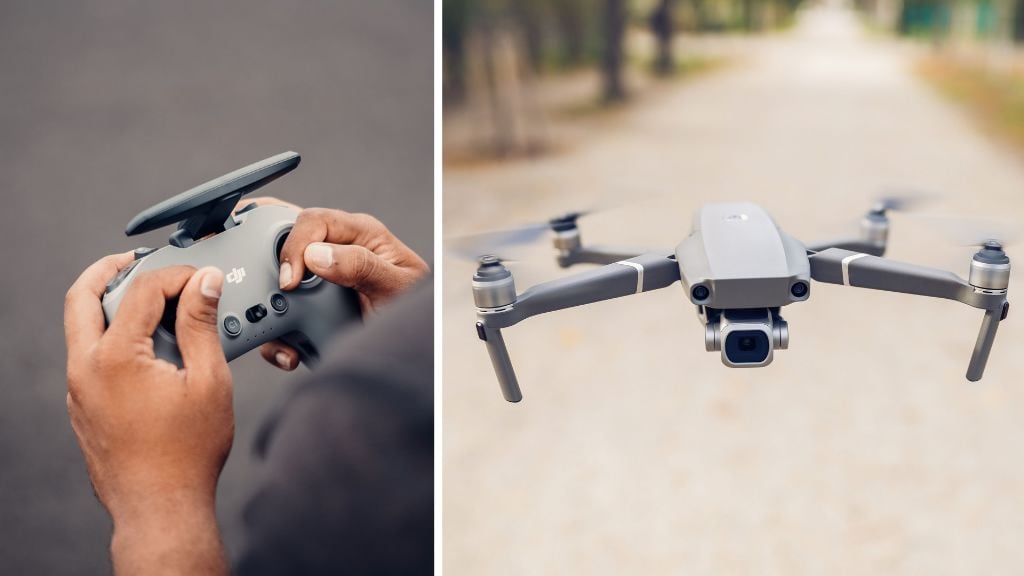
Drones are becoming increasingly popular with travelers who want impressive aerial footage of beaches, islands, and cruise ships. But taking one on a cruise is not as simple as packing it in your camera bag.
Some cruise lines prohibit drones outright, while others may allow guests to bring them onboard only under specific conditions.
For example, Carnival requires drones to be declared during embarkation and held in the custody of the Chief Security Officer. Their use is restricted to approved locations and circumstances. Other cruise lines have stricter rules.
There is another important consideration: even when a cruise line permits you to bring a drone, local laws and port restrictions may prevent you from flying it at your destination.
Private islands and crowded port areas can have additional restrictions.
What Should You Do?
If you want to take a drone on your vacation:
- Check your cruise line’s current drone policy.
- Find out whether the drone must be declared at embarkation.
- Confirm whether ship security will hold it.
- Check the drone regulations at every destination.
- Never assume you can fly it from the cruise ship or private island.
My advice: Do not pack a drone without checking the rules first. A camera or smartphone is a much simpler alternative for most cruise vacation photos.
5. Weapons, Knives, and Self-Defense Equipment
Weapons, knives, and certain self-defense tools are among the most strictly regulated cruise ship prohibited items. This category is especially important because some travelers pack personal safety equipment without realizing cruise ships have strict restrictions.
Items that may be prohibited include:
- Firearms and ammunition.
- Large knives and certain blades.
- Pepper spray and mace.
- Brass knuckles.
- Martial arts weapons.
- Stun devices and other disabling equipment.
- Fireworks and explosives.
Cruise lines have a responsibility to maintain a safe environment for passengers and crew. Weapons and dangerous objects can create serious security concerns.
There may be limited exceptions for certain specialist equipment, such as approved diving knives, but these typically require advance declaration and security-controlled storage.
What About Small Pocket Knives and Scissors?
Do not assume that a small knife or pair of scissors is automatically acceptable. Rules vary between cruise lines.
Some distinguish between personal grooming tools and potentially dangerous sharp objects, while others have broader restrictions. Check the policy before packing anything sharp.
Important: Never try to hide a prohibited weapon in checked luggage. Security screening applies to luggage as well as items you carry through the terminal.
6. Marijuana, CBD Products, and Prohibited Substances
Marijuana, CBD products, and certain substances are among the cruise ship prohibited items that can cause serious problems at boarding. This is one of the easiest cruise packing mistakes to underestimate.
You might live somewhere where marijuana or CBD products are legal. You might even have a medical authorization for a particular product.
That does not automatically mean you can bring it on a cruise. Major cruise lines can prohibit marijuana and cannabis-derived products regardless of their legal status in your home state or country.
The Royal Caribbean cruise ship prohibited items are marijuana, including medicinal marijuana. Carnival also lists marijuana and cannabis-derived products, including CBD, among its prohibited items.
This can include products such as:
- Marijuana cigarettes.
- THC gummies.
- Cannabis oils.
- CBD oils and tinctures.
- Cannabis-infused edible products.
- Products marketed as medical marijuana.
The rules can have serious consequences. Depending on the circumstances, possession may lead to confiscation, denied boarding, removal from the cruise, or involvement of local authorities.
What If You Use CBD for Medical Reasons?
Do not assume that a medical recommendation or prescription overrides the cruise line’s policy. Contact your cruise line before sailing if you rely on a medication or treatment that may fall under its prohibited-substance rules.
For legitimate prescription medications, keep them in their original packaging when possible and carry the appropriate documentation.
My advice: Never take a chance with cannabis or CBD products. Check the rules before leaving home, not when you reach the embarkation terminal.
7. Alcohol That Exceeds Your Cruise Line’s Allowance

This is probably the restriction most likely to surprise first-time cruisers.
Many people assume that because they are going on vacation, they can pack a few bottles of their favorite drinks in their suitcase. Unfortunately, cruise lines have specific alcohol policies.
Some permit limited quantities of wine or champagne, while others restrict guests from bringing their own alcoholic beverages altogether.
For example, Carnival generally permits eligible guests aged 21 or older to bring one 750 ml bottle of wine or champagne per person under its stated conditions.
Beer and hard liquor are not permitted as guest-provided embarkation beverages. Other cruise lines have different allowances and requirements.
What Happens If You Pack Too Much Alcohol?
If security finds alcohol that exceeds the permitted allowance, it may be confiscated. Depending on the cruise line and the type of alcohol, the item might be held until the end of the cruise or disposed of.
Alcohol purchased in port or onboard can also be subject to separate storage and collection rules.
Before Packing Alcohol, Check These Rules
- How many bottles, if any, are permitted?
- Is the allowance per person or per stateroom?
- Does the allowance apply only to wine and champagne?
- Must the bottles be carried in hand luggage?
- Are there restrictions on bottle size or alcohol content?
- What happens to alcohol purchased during port visits?
My recommendation: If you are planning to bring wine, check the exact policy for your cruise line and itinerary. Do not assume the rules are the same across different companies.
Items That Look Prohibited but May Actually Be Allowed
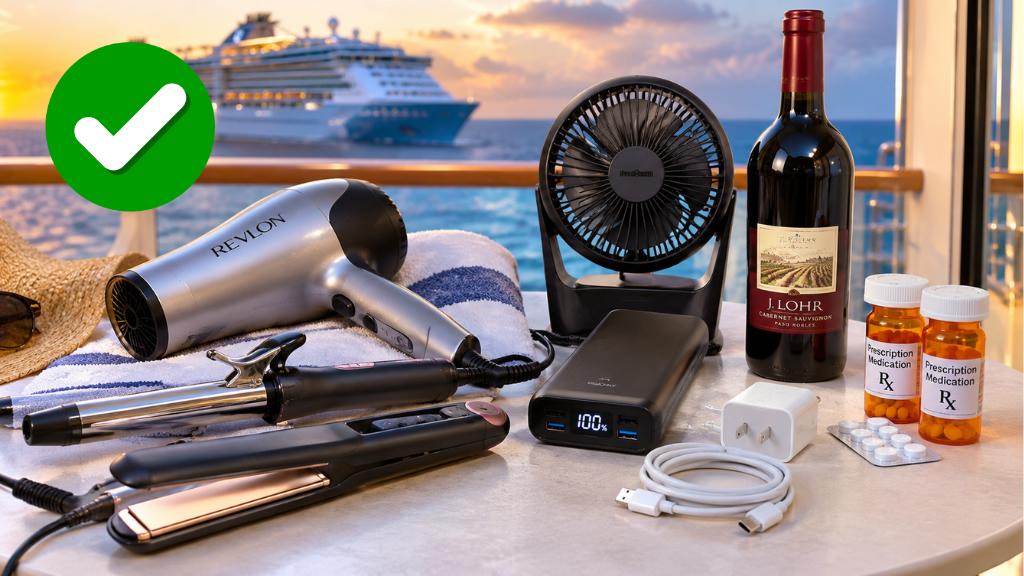
One of the biggest problems with cruise packing advice is that people sometimes treat every cruise line as though it has identical rules. That is not the case.
Some everyday items that are restricted by one company may be permitted by another, subject to conditions.
Here are a few examples worth checking before you pack.
| Item | What to know |
|---|---|
| Hair dryers | Generally permitted, although ship facilities may already provide one. |
| Curling irons | Generally permitted on major cruise lines that distinguish grooming appliances from clothing irons. |
| Hair straighteners | Often permitted, subject to the cruise line’s electrical safety rules. |
| Standard phone chargers | Generally permitted when they meet the applicable requirements. |
| Power banks | Rules can include carry-on storage and charging restrictions. |
| Small fans | May be permitted with size or safety restrictions. |
| Prescription medication | Generally permitted, but special requirements may apply. |
| Wine | Depends on the cruise line’s alcohol allowance. |
The important distinction: A hair straightener and a clothing iron might both generate heat, but cruise lines often treat them differently. Do not automatically assume that every heating appliance is prohibited.
What Happens When Cruise Security Finds a Prohibited Item?
Finding a prohibited item in your luggage does not always mean you will be denied boarding. The outcome depends on the item, the cruise line’s policy, and the circumstances. There are several possibilities.
1. The Item Is Confiscated
Security may remove the prohibited item before you board. This is particularly relevant for items that create safety concerns or are not permitted under any circumstances.
2. The Item Is Held Until the End of the Cruise
Some cruise lines may retain certain items in secure storage and return them when the voyage ends. This is not guaranteed. Some items may be disposed of or may not be returned at all.
3. Your Luggage Is Delayed
If security needs to inspect your suitcase, delivery to your cabin may take longer. This can be frustrating when you arrive onboard and want to unpack, change clothes, or start enjoying your vacation.
4. You Could Be Denied Boarding
More serious violations, particularly involving weapons, illegal substances, or dangerous materials, can result in denied boarding or further action.
The best approach is simple: Do not pack questionable items and hope security overlooks them.
How to Avoid Having Cruise Ship Prohibited Items Confiscated
A little preparation can save you time, money, and frustration. Here is the approach I recommend before every cruise.
Check Your Cruise Line’s Prohibited Items List
Do not rely entirely on packing lists from other cruise websites or social media groups. Go directly to your cruise line’s official website and check its latest prohibited-items policy.
Pay particular attention to electrical accessories, alcohol allowances, heating devices, drones, and sharp objects.
Check Both Carry-On and Checked Luggage
Cruise security can inspect both types of luggage. Moving a prohibited item from your suitcase into your carry-on does not make it acceptable.
Be Careful With Items That Have Multiple Uses
Some accessories are not immediately obvious.
For example, a power adapter, extension cord, or portable electrical appliance may look harmless but still fall under a cruise line’s restrictions.
Check the exact product rather than relying on its general category.
Declare Items When Required
If your cruise line permits an item only with advance approval or security-controlled storage, follow the declaration process.
Drones and certain specialist equipment are good examples. Never assume that bringing an item onboard without declaring it will be acceptable.
Keep Important Medication Accessible
Do not put essential medication in checked luggage where you may not have access to it immediately.
Keep medication in your carry-on and check whether your specific treatment requires documentation or advance arrangements.
FAQs: Cruise Ship Prohibited Items
1. What is the most commonly confiscated item on a cruise ship?
Clothing irons, garment steamers, prohibited power strips, and other restricted electrical appliances are common examples. However, confiscation patterns vary by cruise line and sailing.
2. Can I bring a travel iron on a cruise?
Generally, no. Major cruise lines such as Royal Caribbean and Carnival prohibit clothing irons. Pack wrinkle-resistant clothing or check whether an approved wrinkle-release product is permitted.
3. Are power strips allowed on cruise ships?
It depends on the cruise line. Royal Caribbean restricts power strips and extension cords, while Carnival permits certain alternatives without surge protection, subject to safety conditions.
4. Can I bring a steamer on a cruise?
Many major cruise lines prohibit garment steamers because of the fire risk associated with heating elements. Always check your specific cruise line’s policy.
5. Can I bring a candle in my cruise cabin?
Generally, no. Candles and incense are prohibited by many cruise lines because they create an open-flame fire hazard.
6. Can I bring CBD oil on a cruise?
Do not assume it is permitted. Carnival and Royal Caribbean prohibit marijuana-related products under their policies, including specified cannabis-derived products. Check the exact policy before travelling.
7. Can I bring my own alcohol on a cruise?
Some cruise lines allow limited quantities of wine or champagne, while others have different restrictions. Beer and spirits are commonly prohibited as guest-provided embarkation beverages. Check the current allowance for your sailing.
8. Can cruise security search my checked luggage?
Yes. Cruise lines reserve the right to screen and inspect passenger belongings for security and safety reasons.
9. Will cruise security return confiscated items?
Sometimes. Certain items may be held until the end of the cruise, while others may be disposed of or retained permanently. The outcome depends on the item and the cruise line’s policy.
10. Are hair straighteners and curling irons allowed on cruise ships?
They are generally permitted on major cruise lines that distinguish personal grooming appliances from clothing irons and garment steamers. Check the specific rules for your ship.
11. Can I bring a drone on a cruise?
It depends on the cruise line. Some prohibit drones, while others permit them under declaration and security-storage requirements. Local port and destination rules also apply.
12. Do all cruise lines have the same prohibited-items list?
No. Royal Caribbean, Carnival, Norwegian, Princess, Celebrity, and other cruise companies have their own policies. Always check the rules for the company you are sailing with.
Jim’s Take On Cruise Ship Prohibited Items

Cruise ship prohibited items are worth checking before you start filling your suitcase, not after you arrive at the terminal.
My view is that most of these restrictions are easy to work around.
You do not need a travel iron when you can pack wrinkle-resistant clothing, and you probably do not need an elaborate electrical setup if you plan your charging accessories properly.
The bigger mistake is assuming that something allowed on one cruise line will automatically be accepted on another.
I would pay particular attention to electrical accessories, heating devices, alcohol, and anything that could be considered a weapon or controlled substance.
These are the areas where making the wrong assumption can cause unnecessary problems.
And remember, the fact that an item is legal at home does not mean it is permitted onboard.
Final Verdict: Don’t Let a Packing Mistake Ruin Embarkation Day
Your cruise should start with checking in, exploring the ship, enjoying lunch, and getting excited about your vacation… not explaining to security why you packed something that is prohibited.
Before closing your suitcase, check the official prohibited-items policy for your cruise line. Pay special attention to electrical accessories, alcohol, heating devices, drones, and restricted substances.
A few minutes of checking can save you from losing an item, waiting for delayed luggage, or facing a much more serious embarkation problem.
Pack smart, check the rules, and get your cruise vacation started the right way.