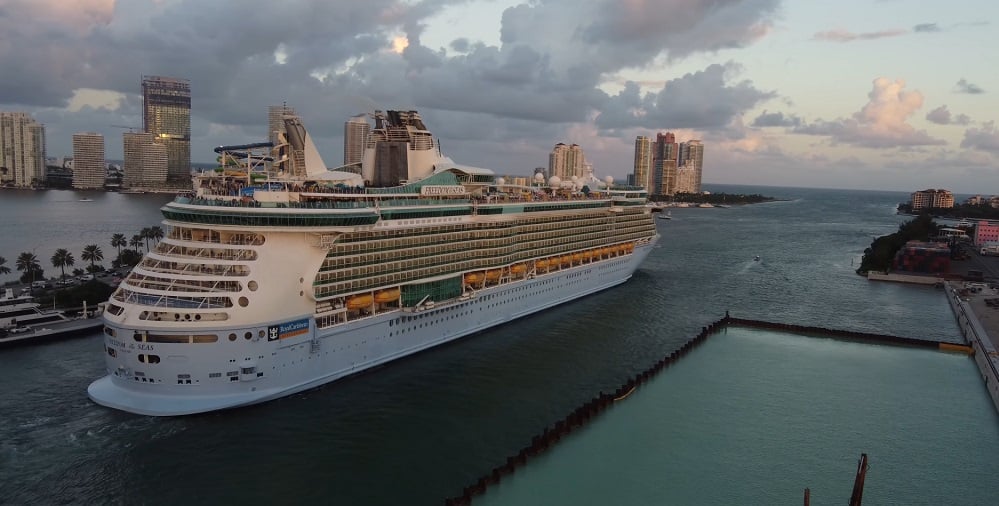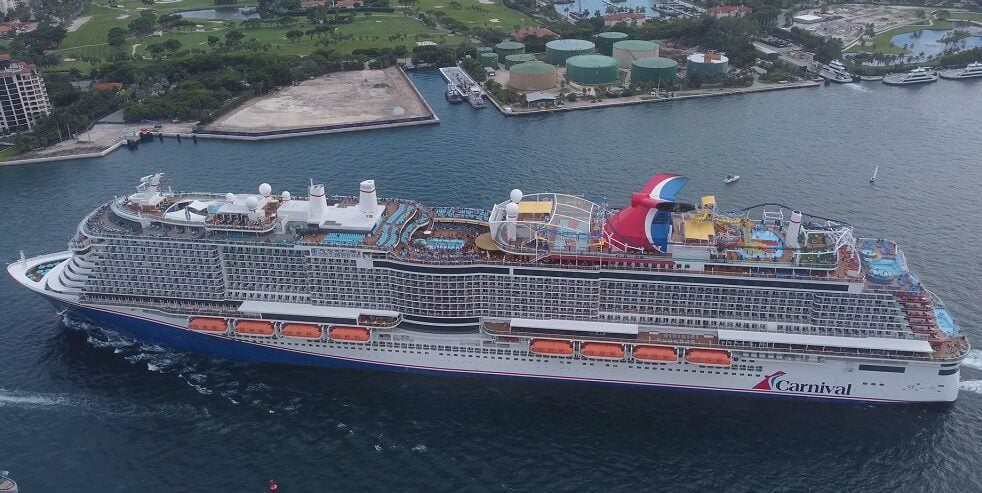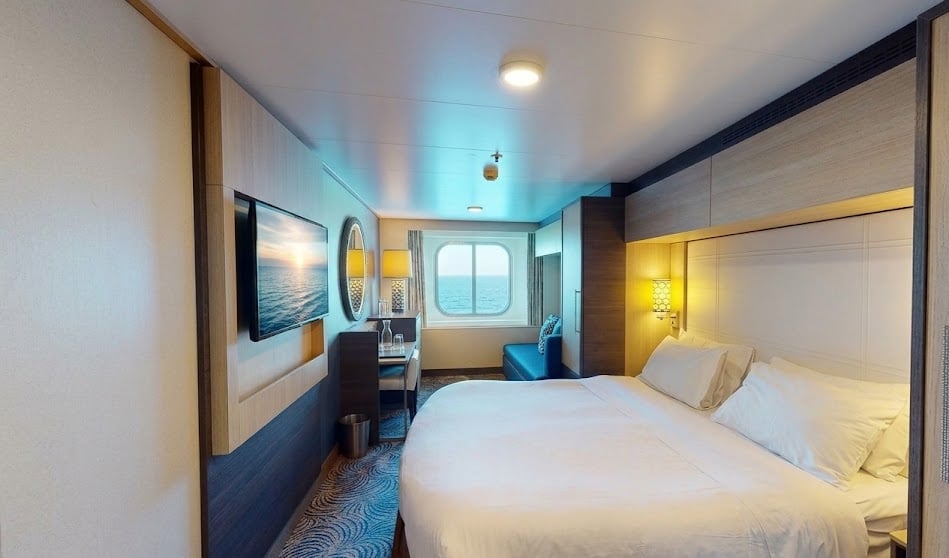
Worst cabins to avoid can wreck a cruise faster than people expect because a bad room does not just affect where you sleep. It affects your energy, your mood, and how much patience you have for the rest of the trip.
My view is simple; your cabin should be a quiet retreat, not a noise experiment. If you book the wrong location, you can end up listening to scraping deck chairs, nightclub bass, anchor noise, hallway chatter, or engine vibration while wondering why your “vacation” feels exhausting.

Don't Book a Cruise Cabin You'll Regret.
Avoid noisy nights, extra motion, blocked views, and cabins you'll wish you skipped.
- Know which cabin locations to avoid
- Spot noise, motion & blocked-view risks
- Check your cabin in 60 seconds before booking
Table of Contents
Quick Verdict
If it were me, I would avoid these cabin locations first:
- cabins under the pool deck
- cabins above or below late-night venues
- extreme forward cabins on higher decks
- connecting cabins with strangers next door
- cabins right by elevators and stairwells
- unresearched guarantee cabins
What I would not do is book only by price, trust the brochure photos, or assume “close to everything” automatically means better.
That is where a lot of first-cruise cabin regret starts.
The Real Mistake Most People Make and Choose Worst Cabins
The biggest mistake people make is choosing a room by category and not by location.
They focus on whether the cabin is interior, oceanview, or balcony, but skip the more important question… what is actually above it, below it, and next to it?
A non-obvious truth here is that a well-located interior cabin can be far better than a badly located balcony. I usually think cabin location matters more than the flashy upgrade most people get distracted by.
9 Worst Cabins to Avoid on a Cruise Ship
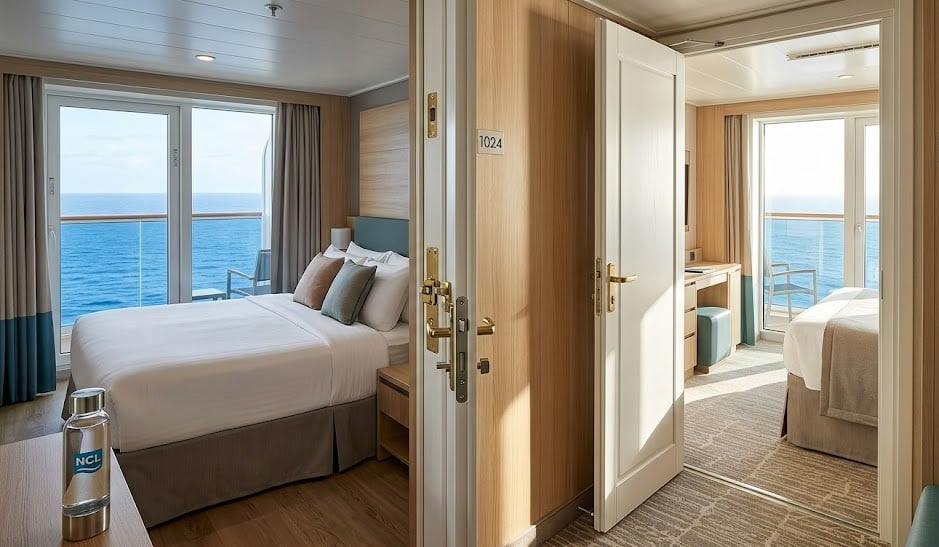
When you compare different Royal Caribbean ship classes, the layouts change, but the architectural logic behind bad cabins stays almost the same. These are the worst cabins to avoid if you care about sleep, noise, and comfort.
1. Cabins Directly Under the Pool Deck
Why it is a problem: The pool deck starts waking up long before passengers do. Crew members move loungers, clean surfaces, set up furniture, and prep the area early in the morning.
Extra considerations: Cruise ship ceilings do not block scraping noise nearly as well as people assume. If you are directly under that area, the sound transfers down hard. This is one of the most common bad-cabin mistakes first-time cruisers make.
Better alternative: Use the sandwich deck rule. Book a cabin with passenger cabins directly above you and directly below you.
2. Worst Cabins Directly Above the Nightclub, Theater, or Late-Night Lounge
Why it is a problem: Bass travels. And on ships, low-frequency sound can travel through the structure better than people expect.
Extra considerations: Earplugs may help with voices or hallway noise, but they will not stop the feeling of the floor or bed vibrating when a club or show venue is pumping music into the structure below you.
Better alternative: Study the deck plan under your cabin. If you see a theater, lounge, club, karaoke venue, or blank entertainment area, I would keep looking.
3. Extreme Forward Cabins on Higher Decks
Why it is a problem: The farther forward and higher up you go, the more ship motion you feel.
Extra considerations: This matters even more on rougher itineraries, open-ocean sailings, winter Caribbean runs, and for anyone who is even mildly prone to motion sickness. These can be some of the worst cabins to avoid for sensitive travelers.
Better alternative: Book lower and closer to dead-center midship, where the ride is naturally more stable.
4. Connecting Cabins If You Do Not Know the Neighbor
Why it is a problem: A connecting cabin has less sound insulation than a regular wall because there is literally a door in it.
Extra considerations: That means more conversation bleed, more TV noise, more alarm clocks, more coughing, more late-night chatter, and sometimes even more snoring coming through the wall. If they are up early for their Royal Caribbean coffee, you may be up early too.
Better alternative: Unless you are traveling with family and actually need the connecting setup, I would choose a non-connecting room every time.
5. Obstructed-View Balcony Cabins
Why it is a problem: Some of these are fine. Some are terrible. That is the problem.
Extra considerations: Cruise lines discount them because something blocks the view, but “obstructed” can mean very different things. Sometimes it is a minor issue. Other times, you are looking straight at a lifeboat, steel beam, or equipment housing. Older ships often handle this worse, which is why Royal Caribbean ships by age can matter when you are comparing layouts.
Better alternative: If the budget is tight, I would rather book a clean oceanview or even a strong interior cabin than pay balcony money for a compromised view.
6. Cabins Right Next to Elevators and Main Stairs
Why it is a problem: These are natural traffic zones from early morning until late at night.
Extra considerations: People love these cabins for convenience, and I understand why. But if you are a light sleeper, the trade-off can be brutal. You get elevator dings, rolling luggage, kids running, drunk hallway conversations, and that constant “someone is always passing by” feeling.
Better alternative: I usually think 8 to 10 doors away from the elevator bank is a much better balance between convenience and quiet.
7. Low Deck Cabins Near the Engine or Anchor Zones
Why it is a problem: Lower aft cabins can pick up engine hum, vibration, or docking shudder. Lower forward cabins can get hammered by anchor noise on port mornings.
Extra considerations: This is one of those problems people do not think about until 6:00 a.m. when the ship arrives in port and the mechanical noise feels like it is happening inside the room. If your itinerary includes frequent early arrivals, these are absolutely among the worst cabins to avoid.
Better alternative: Move up a few decks and toward the middle of the ship. Decks in the 7 to 9 range are often much safer than the lowest passenger decks.
8. Unresearched Guarantee (GTY) Cabins
Why it is a problem: A guarantee cabin can save money, but it also gives away control over the one part of the trip that affects you every single day.
Extra considerations: Cruise lines often use GTY pricing to fill the rooms that experienced cruisers are actively trying to avoid. That does not mean every GTY room is bad, but it absolutely means you are taking on more risk.
Better alternative: If sleep, quiet, and location matter to you, I would usually pay the extra amount to choose a specific cabin number.
9. Interior Promenade or Central Park View Cabins

Why it is a problem: These sound fun in theory, but they are not for everyone.
Extra considerations: On bigger ships, especially when you compare layouts in guides like Royal Caribbean ships by size, these cabins can overlook busy public areas with music, parties, announcements, and foot traffic. They also give up the real privacy and darkness many interior-cabin fans actually want.
Better alternative: If you want quiet and darkness, I would take a standard interior cabin over a promenade-facing interior almost every time.
Quick Decision Guide: Where NOT to Book
| If the cabin is… | The main risk is… | Do this instead |
|---|---|---|
| Under the pool deck | Scraping chairs early in the morning | Book a sandwich deck |
| Extreme forward | Heavy motion and possible seasickness | Book dead-center midship |
| Above the nightclub or lounge | Bass vibration until late | Check the deck below you first |
| Connecting with strangers | More neighbor noise through the wall | Choose a non-connecting room |
| Near elevators | Constant hallway traffic and noise | Move farther down the hall |
Step-by-Step: How to Choose a Good Cabin Location or Avoid Worst Cabins
1. Pull up the real deck plans
Never book blindly from a cabin category alone. Open the actual ship deck plan and look at the exact room location.
2. Check the deck above your cabin
If there is a pool, buffet, gym, sports deck, or public venue overhead, I would move on immediately.
3. Check the deck below your cabin
If there is a theater, casino, lounge, nightclub, dining venue, or mystery blank area below, I would keep looking.
4. Prioritize midship
The middle of the ship usually gives you the best balance of stability, reduced vibration, and easier navigation.
5. Watch for blank spaces and service areas
Blank areas next to cabins can mean housekeeping closets, service stations, stairwells, or crew spaces. Those are not automatic deal-breakers, but I would never ignore them.
Common Booking Mistakes That Create Worst Cabins
Booking Based Only on Price
Why it is a problem: The cheapest room in a category often is not cheaper by accident.
Extra considerations: Sometimes you are being paid, in a sense, to accept more noise, worse views, or more motion.
Better alternative: Spend a little more if it gets you a calmer location. I usually think good sleep is one of the best value upgrades on a cruise.
Assuming “Near the Elevators” Is Always Better
Why it is a problem: People hear “convenient” and forget it also means “busy.”
Extra considerations: This is fine for some travelers, especially those with mobility needs. But it is often a bad trade for light sleepers.
Better alternative: Stay close enough for convenience, but not directly in the traffic stream.
Treating GTY as Pure Savings
Why it is a problem: GTY can be a solid gamble for some people, but it is still a gamble.
Extra considerations: If you are prone to motion sickness, traveling with young kids, or care deeply about sleep, the “savings” can disappear fast if you hate the room.
Better alternative: Choose your room when the trip quality matters more than squeezing out the lowest fare.
Who Should Book a GTY Cabin
Guarantee cabins make the most sense for:
- budget-focused travelers who truly do not care where the room ends up
- heavy sleepers who are not sensitive to noise
- travelers who plan to spend very little time in the cabin
- people who are comfortable gambling a bit to save money
Who Should Skip It
I would usually skip GTY and choose your own cabin if you are:
- a light sleeper
- prone to motion sickness
- traveling with young children
- taking a longer cruise where room comfort matters more
- someone who gets annoyed easily by noise or vibration
If cabin comfort matters a lot to you, surrendering control is usually the wrong move.
Best Cabin Priorities by Traveler Type
| Traveler Type | Top Priority | What to Avoid |
|---|---|---|
| Light sleepers | Non-connecting midship cabin on a sandwich deck | Nightclubs, elevators, and pool-deck locations |
| Motion-sensitive travelers | Low-to-mid deck dead-center midship | Extreme forward high-deck cabins |
| Budget travelers | Well-located interior cabin | Blindly taking any GTY room |
| Families with naps or early bedtimes | Quiet hallway and strong location control | Connecting cabins with strangers or entertainment zones nearby |
| Short-cruise party travelers | Convenience and value | Assuming the cheapest room will still feel restful |
Jim’s Take

Worst cabins to avoid matter more than people think because the room sets the tone for the whole trip.
After enough cruises, I care a lot less about squeezing into the cheapest possible room and a lot more about getting the setup right. I would rather pay a little more to choose my location than save a little money and spend seven nights listening to bass through the floor or scraping chairs through the ceiling.
That is why I keep coming back to the same basic approach: protect your sleep, protect your energy, and make the cabin a real reset space. On lively ships, that matters even more because the room is where you recover from everything else.
If it were me, I would almost always choose a non-connecting midship cabin on a sandwich deck and skip the noise-risk zones altogether. That is also why I think a smart room choice often matters more than spending the extra money you saved on something else, even if you are also debating things like Royal Caribbean drink package worth it or whether a port stop like Perfect Day at CocoCay should shape your budget.
The cruisers who enjoy their vacations most are usually the ones whose cabin helps them recharge instead of draining them.
Frequently Asked Questions About Worst Cabins
What is a sandwich deck?
A sandwich deck is a deck with passenger cabins directly above and directly below your room. It is usually the safest choice for avoiding public-venue noise.
Will I feel sick in an aft cabin?
Usually less than in an extreme forward cabin, but more than dead-center midship. Aft cabins can also have more vibration on some ships.
Are interior cabins bad?
Not at all. A well-located interior cabin can be one of the best values on the ship, especially if you like darkness, quiet, and colder sleep conditions.
Can I change my cabin after I book it?
Usually, yes, if you selected a specific cabin and another suitable room in the same category is available. It is much easier to fix before sailing than once onboard.
Does cabin location matter on port days?
Yes. Lower forward cabins can get a harsh wake-up call from anchor operations on early-morning port arrivals.
Final Recommendation for Worst Cabins
Your cabin should be your sanctuary, not the reason you are tired all week.
Study the deck plans. Avoid public venues above and below you. Skip risky GTY bookings if sleep matters. And remember the simplest rule on the ship… cabins above, cabins below, and midship in the middle is usually the safest play.
That one mindset will help you avoid a huge percentage of the bad rooms people regret booking.
To understand why certain cabins (like those near engine rooms or under the pool deck) are built the way they are, or to look into the safety regulations that govern cabin materials and noise insulation, you can visit the Official USCG Maritime Information Exchange. It’s a fascinating look at the “bones” of the ships from a purely regulatory and engineering perspective.