Best Cruise Ship Cabin Location depends less on finding one magical part of the ship and more on matching the cabin to what matters most to you… quiet, motion, views, convenience, privacy, or price.
That is where a lot of cruisers get cabin selection wrong.

Don't Book a Cruise Cabin You'll Regret.
Avoid noisy nights, extra motion, blocked views, and cabins you'll wish you skipped.
- Know which cabin locations to avoid
- Spot noise, motion & blocked-view risks
- Check your cabin in 60 seconds before booking
A beautiful aft balcony may be fantastic for one person and frustrating for someone sensitive to motion. A cabin steps from the elevators can make a giant ship much easier to navigate, while a room directly beside a busy passenger area may create more hallway traffic than a light sleeper wants.
The best strategy is to choose your priority first, then study the ship’s deck plan before choosing the cabin.
Table of Contents
Best Cruise Ship Cabin Locations: Quick Answer
| Your Priority | Best Location |
| Less motion | Lower deck, midship |
| Quiet sleep | Midship cabin with cabins above and below |
| Easy access around the ship | Near elevators and stairs, but not directly beside them |
| Best wake views | Aft-facing cabin |
| Forward ocean views | Forward-facing cabin |
| Quick pool access | Higher deck near the pool area |
| Families with kids | Near the family areas you plan to use most |
| Quiet budget option | Non-connecting interior cabin in a quieter midship area |
| More privacy | Cabin in a lower-traffic hallway |
| Light sleepers | Away from elevators, theaters, pools, clubs, and busy public spaces |
The most important takeaway: horizontal location is only half the decision.
Many cruisers obsess over forward versus midship versus aft while ignoring what is directly above and below the cabin. For noise-sensitive travelers, vertical location can matter even more.
What Is the Best Overall Cruise Ship Cabin Location?
If you do not have a strong preference, I would start with a midship cabin on a deck with other cabins directly above and below it.
That combination gives you a good balance of stability, quiet, and convenience without putting you directly underneath a busy pool deck or at the far end of the ship.
Then adjust from there.
Move lower if motion is your biggest concern.
Move closer to elevators if walking long distances will bother you.
Consider aft or forward cabins if the view matters more than minimizing movement.
And if sleep is the priority, pay more attention to what surrounds the cabin than the deck number printed on your cruise documents.
There is no perfect location for everyone… but midship, surrounded by other cabins, is one of the safest places to start.
What You Need to Know Before You Book
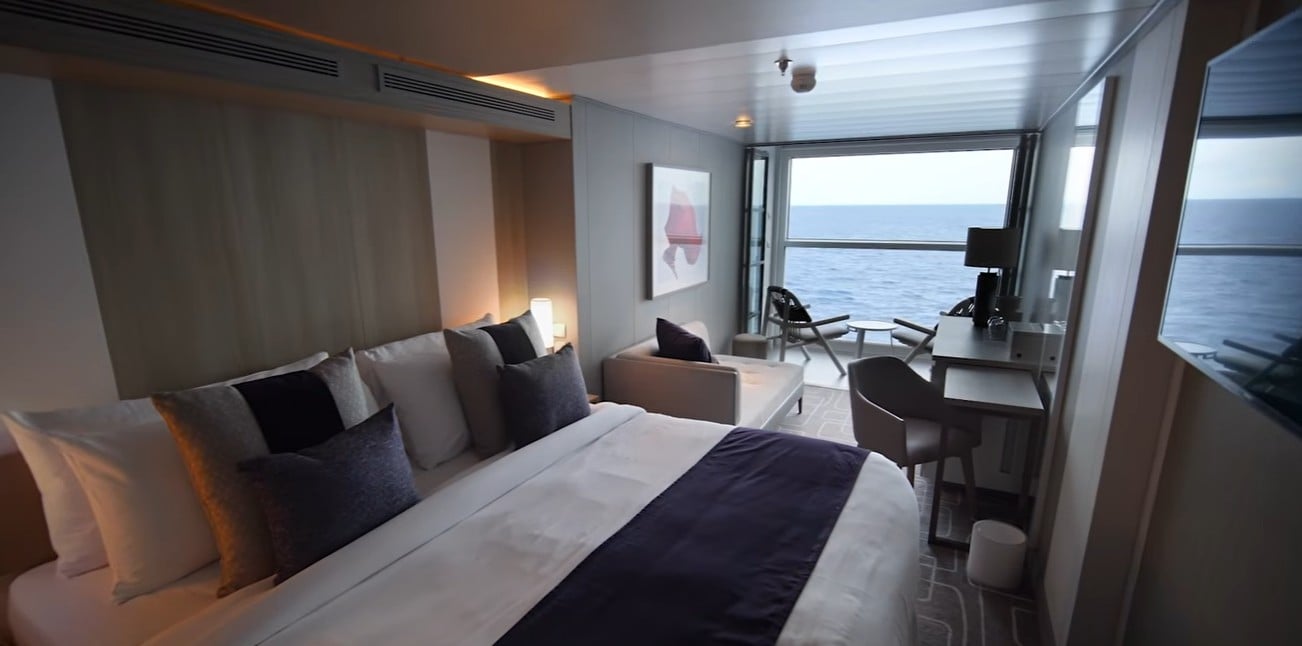
Actually there are several factors that compete with each other when talking about best cruise ship cabin location.
Midship can reduce the sensation of pitching. Higher decks can put you close to pools and outdoor attractions. Aft cabins can deliver incredible wake views. Lower decks can simplify access to certain indoor public areas.
But every advantage creates a trade-off.
A quiet cabin can require longer walks. A convenient cabin can sit near heavier passenger traffic. A spectacular view can come with more movement.
Before booking, think about five things:
- Motion sensitivity
- Sleep and noise sensitivity
- Walking distance
- The places you expect to use most
- How much the view matters to you
Then look at the deck plan.
Do not choose by deck number alone.
If avoiding bad locations is your biggest concern, my worst cabins to avoid on a cruise ship guide goes deeper into the noise, vibration, connecting-cabin, and guarantee-cabin problems I watch for.
10 Best Cruise Ship Cabin Locations by Traveler Type
1. Lower Midship Cabins for Motion-Sensitive Cruisers
If seasickness is your biggest concern, midship is usually the first area I would investigate.
The middle of the ship generally experiences less noticeable pitching than cabins toward the extreme bow or stern. Staying lower on the ship can also help reduce the sensation of movement compared with being much higher above the waterline.
That makes lower-to-middle deck, midship cabins one of the strongest starting points for motion-sensitive travelers.
The downside is convenience. Pools, slides, sports areas, and other outdoor attractions are usually higher up, so you may rely on stairs or elevators more often.
Best for: Motion-sensitive cruisers and first-timers worried about seasickness.
Skip it if: Your top priority is being steps from the pool deck.
2. Cabins Between Other Cabin Decks for Quiet Sleep
This is one of the simplest cabin rules… and one of the easiest to overlook.
If quiet matters, look for a cabin with staterooms directly above and below it.
That creates a buffer from potentially noisy spaces such as pools, theaters, nightclubs, restaurants, gyms, sports areas, and crew work zones.
It does not guarantee silence, but it removes several obvious noise risks before you even board.
For light sleepers, I value what is above and below a cabin more than whether the cabin is technically forward, midship, or aft.
3. Cabins Near… But Not Directly Beside… Elevators
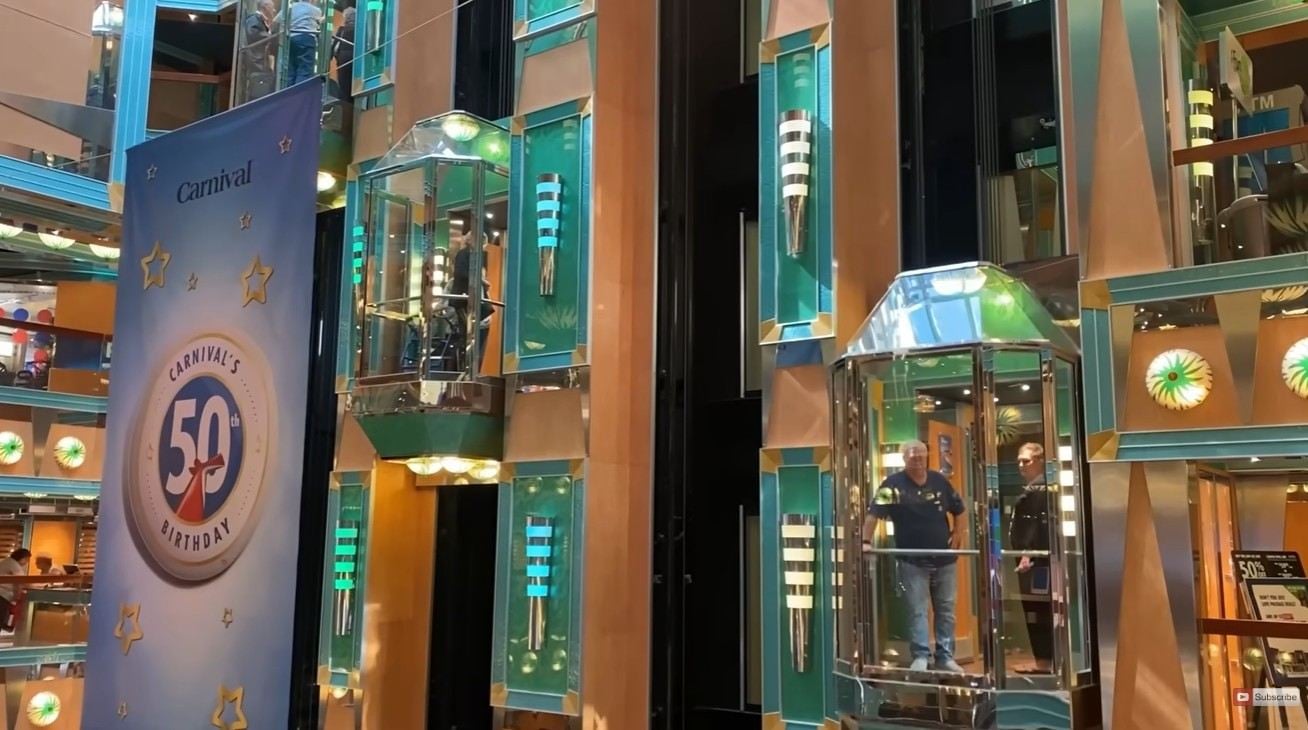
Elevator proximity gets oversimplified.
Being near an elevator or stairwell can be extremely convenient, especially on today’s largest ships. What I would avoid is blindly choosing the cabin closest to the busiest elevator lobby.
A better compromise is often a short walk from the elevator bank rather than directly beside the main traffic flow.
You get most of the convenience without everyone walking past your door.
This matters even more on large ships. If you are considering Royal Caribbean, our Royal Caribbean ships by size guide shows just how much ship dimensions can vary.
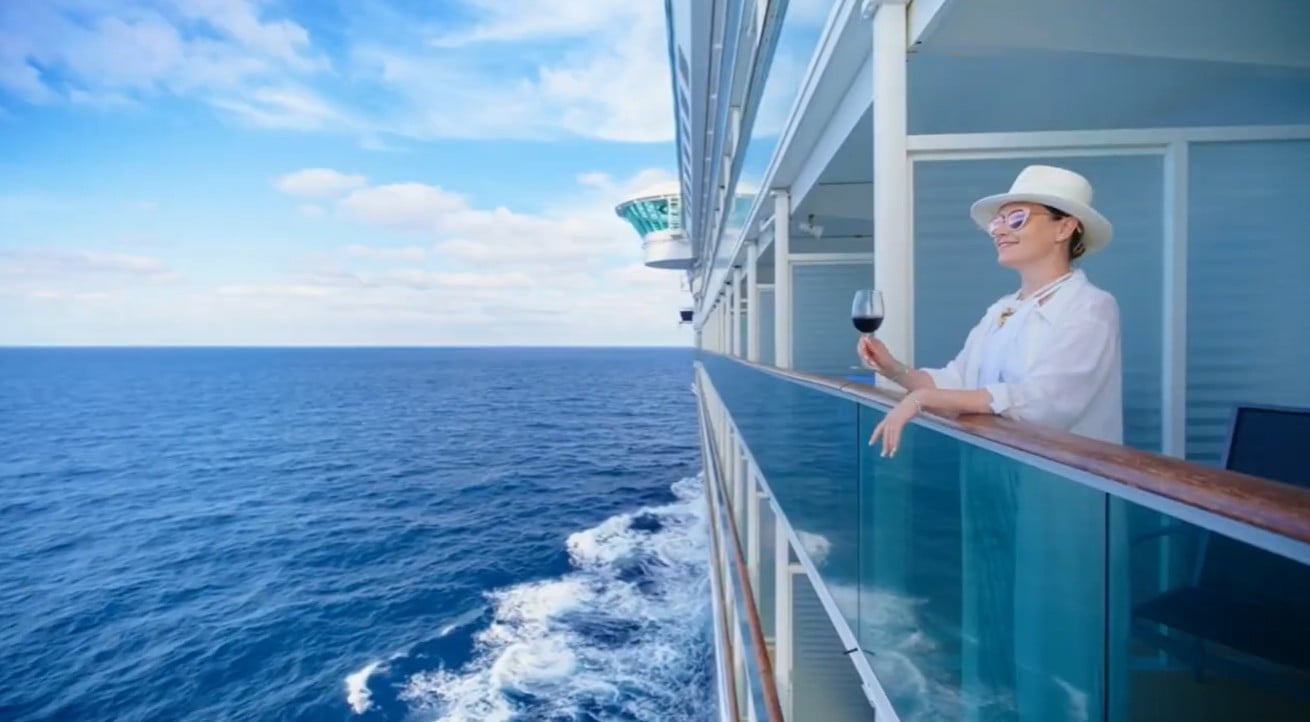
4. Aft-Facing Cabins for Views
For experience-focused cruisers, an aft-facing balcony can be hard to beat.
Instead of looking sideways at the ocean, you watch the ship’s wake stretch behind you. Sailaways can be particularly memorable.
The trade-off is location.
You may have a long walk to forward venues, and some aft cabins can experience more noticeable motion or vibration than a central cabin.
Book aft for the experience… not because aft is automatically the best location.
5. Forward-Facing Cabins for Arrival Views
Forward-facing cabins offer a completely different experience.
Seeing where the ship is heading can make arriving at ports and cruising through scenic areas especially interesting.
But the bow is generally not where I would send someone whose first priority is minimizing motion.
These cabins make more sense for cruisers who value the view enough to accept the trade-off.
6. Midship Non-Connecting Cabins for Light Sleepers
If sleep is more important than scenery, a non-connecting cabin deserves extra attention.
Connecting doors are useful for families traveling together, but they add another potential path for sound between cabins.
A non-connecting room in a quiet midship area, surrounded by other cabins, is one of my favorite combinations for travelers who simply want to shut the door and sleep.
You do not necessarily need an expensive balcony or suite to get a best cruise ship cabin location.
That is an important distinction: cabin category and cabin location are two separate decisions.
7. Cabins Near Family Areas for Parents
Families may reasonably prioritize convenience differently.
Being relatively close to the places your children use most can save a surprising amount of back-and-forth during the day.
The trick is not getting too close.
A family-friendly location can become a noisy location if your cabin opens directly onto a heavily traveled corridor.
Look for nearby access without placing yourself in the center of the traffic.
Facilities and kids’ programming vary by ship and sailing, so check the specific ship rather than assuming every vessel has the same layout.
8. Higher-Deck Cabins for Pool-Focused Cruisers
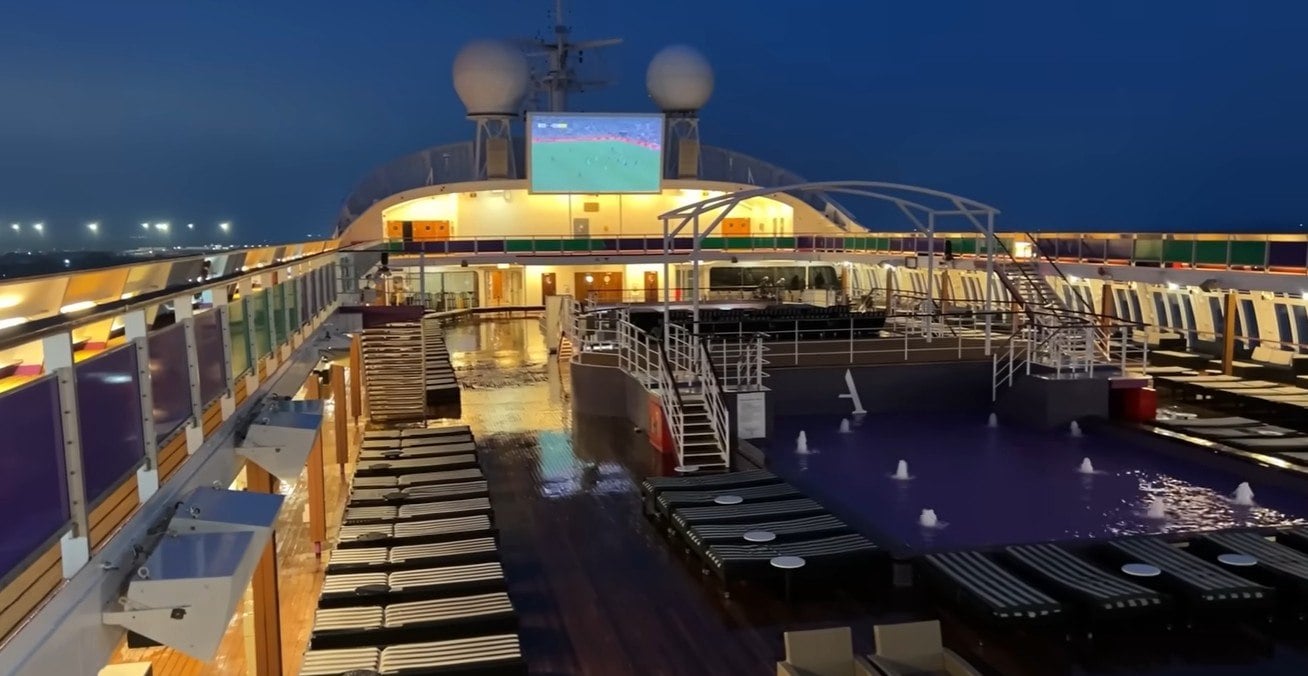
If most of your sea days will be spent around pools and outdoor attractions, staying higher can make the cruise more convenient.
Instead of repeatedly waiting for elevators, you may be only a staircase or two from the action.
The catch is overhead noise.
A cabin directly underneath a busy pool or activity deck can expose you to chair movement, music, footsteps, or early activity.
Close to the pool is useful. Directly underneath the pool deck may not be.
9. Lower-Traffic Corridor Cabins for Privacy and Quiet
Not everyone needs to be beside the action.
Cabins farther from elevator banks, stairwells, passenger shortcuts, and major public spaces can experience less hallway traffic.
That is appealing for couples, light sleepers, and anyone who treats the cabin as a retreat.
The cost is obvious… more walking.
If it were me, I would happily walk farther for a quieter cabin if sleep were the priority. A convenience-focused cruiser may make the opposite choice.
10. Spa Cabins for Wellness-Focused Cruisers
Spa cabins deserve a separate mention because they are not really about forward, midship, or aft.
Their value is convenience.
On some ships, spa-designated cabins are located close to the fitness center, thermal areas, treatment rooms, or other wellness facilities.
Depending on the cruise line and ship, the cabin category may also include additional spa-related benefits.
That can make the location appealing if you expect to use those facilities regularly.
But I would not automatically pay more simply because a cabin has “spa” in the name.
Check exactly what is included.
Also study the deck plan.
A cabin close to the spa may still sit underneath an active public area, near a busy staircase, or farther from restaurants and entertainment you plan to use every day.
Best for: Cruisers who genuinely expect the spa and wellness areas to be a major part of their trip.
Skip it if: You are paying a large premium for benefits or proximity you probably will not use.
Like every other cabin location, the value comes down to how you actually cruise.
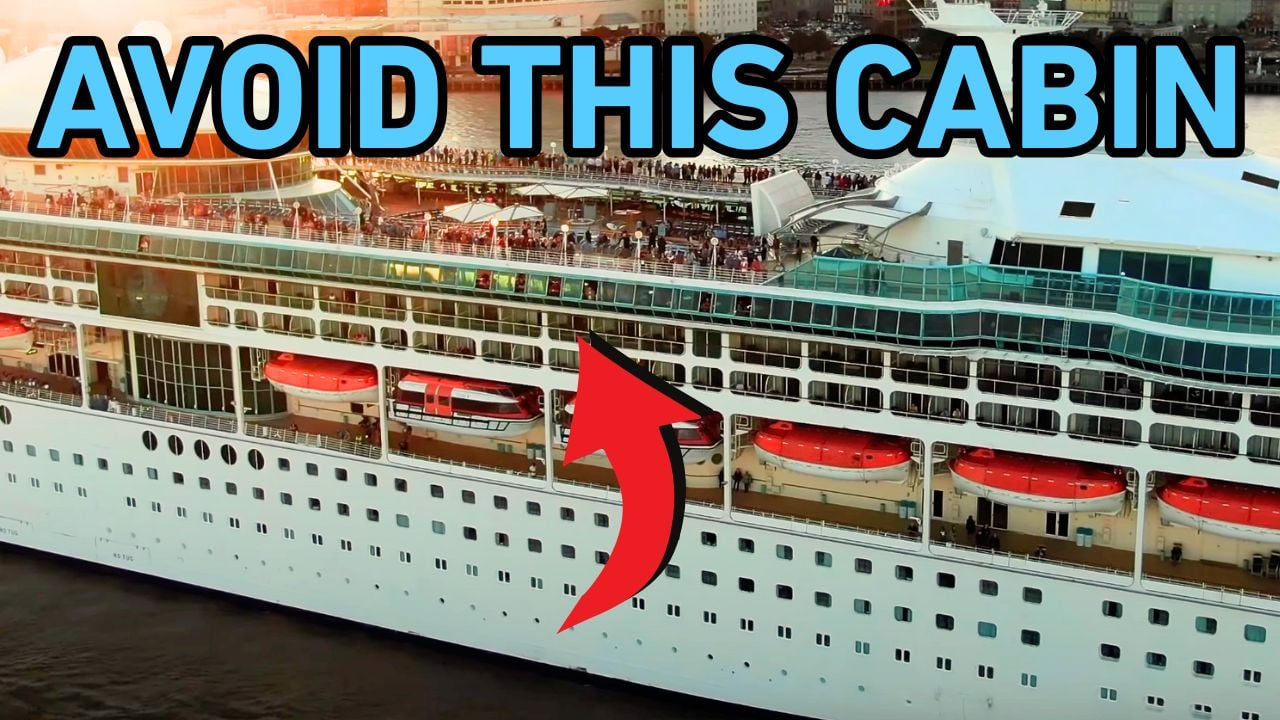
Best and Worst Locations Depend on What Is Around You
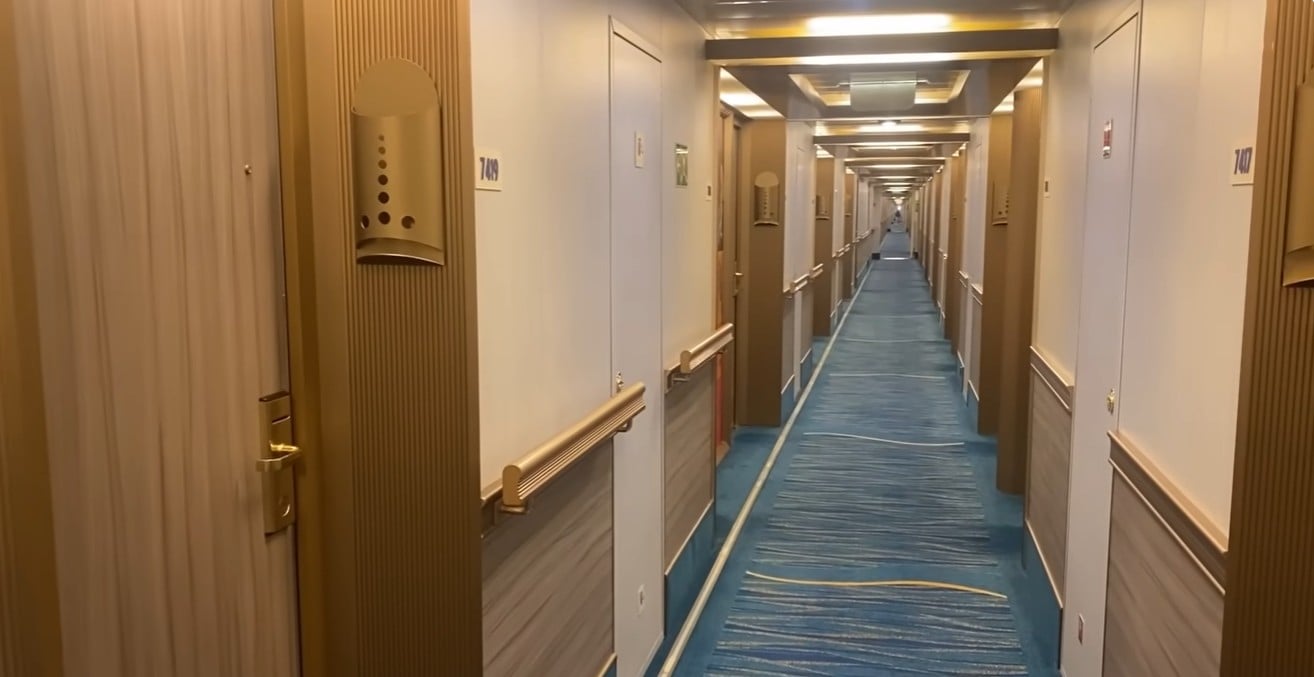
One of the biggest mistakes you can make is judging a cabin only by its deck number.
Pull up the deck plan and investigate the entire area.
Look one deck above.
Then look one deck below.
After that, inspect what sits beside your room.
Watch for:
- Pools and sun decks
- Theaters and entertainment venues
- Nightclubs and lounges
- Restaurants and buffets
- Gyms
- Elevators and stairs
- Connecting doors
- Crew or service areas
- Busy passenger shortcuts
- Large unlabeled spaces
You are trying to understand the cabin’s neighborhood, not simply its coordinates.
Royal Caribbean cruisers can also use our Royal Caribbean cabins to avoid guide to see how these same location principles play out across different ship layouts.
Common Mistakes to Avoid When Choosing The Best Cruise Ship Cabin Location
Choosing Midship Without Checking Above and Below
Why it is a problem: A perfect midship position does not help much if your ceiling is underneath a noisy public area.
Extra considerations: Check the same cabin position on the decks immediately above and below.
Better alternatives: Prefer a midship cabin sandwiched between other stateroom decks when quiet matters.
Assuming the Highest Deck Is Better
Why it is a problem: Higher does not automatically mean more premium, quieter, or more comfortable.
Extra considerations: Higher cabins can be convenient for outdoor attractions but may experience more movement and deck activity.
Better alternatives: Choose deck height based on your priorities rather than assuming higher is always better.
Booking a Guarantee Cabin When Location Matters
Why it is a problem: A guarantee fare gives up control over the exact cabin assignment.
Extra considerations: That can be perfectly reasonable when the savings matter more than location, but less attractive for cruisers who are highly sensitive to noise or motion.
Better alternatives: Pay to select your cabin when avoiding specific locations is worth more to you than the savings.
Step by Step: How to Choose Best Cruise Ship Cabin Location
Start by deciding what would bother you most: motion, noise, walking, lack of privacy, or paying too much.
Next, choose your general zone… forward, midship, or aft.
Then choose your vertical position. Check whether being higher or lower makes sense based on the venues you expect to use.
After that, inspect the deck above and below.
Finally, look at the immediate hallway. Check elevators, stairwells, connecting doors, public spaces, and unusual blank areas.
That process is far more reliable than simply asking, “What deck is best?”
Who Should Book a Premium Cabin Location?
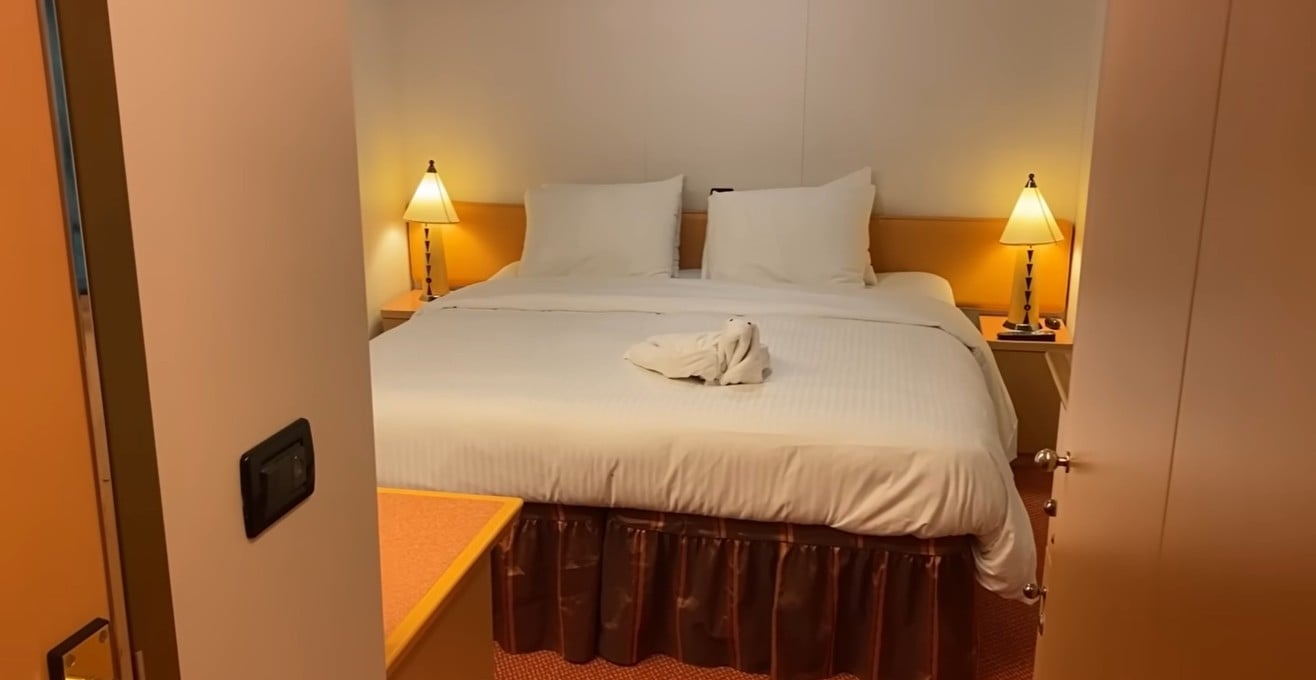
Paying more to select a specific location makes sense when the location solves a problem you genuinely care about.
It is often worth paying for cabin selection if you are highly motion-sensitive, a very light sleeper, traveling with children, dealing with long walking distances, or booking a special cabin primarily for its view.
Who Should Skip Paying More for Location?
If you are flexible, sleep easily, spend little time in the cabin, and mainly want the lowest cruise fare, paying extra for the “perfect” location may not improve your trip enough to justify the cost.
This is also where guarantee cabins can become interesting.
You are trading control for savings.
That is not inherently good or bad… it depends on how picky you are about the result.
FAQs About the Best Cruise Ship Cabin Locations
What is an ideal cabin location on a cruise ship?
For the broadest mix of stability and convenience, midship is usually a strong starting point. However, the decks above and below the cabin still matter.
What is the best cabin location to avoid seasickness?
A lower, midship location is generally preferred by cruisers who want to minimize the sensation of movement.
What is the quietest cabin location?
Look for a cabin surrounded by other cabins, away from major public spaces and heavy hallway traffic. In short, Midship cabin with cabins above and below are quietest cabins.
Is aft or forward better?
Aft often appeals to cruisers who love wake views, while forward cabins can provide dramatic views of where the ship is heading. Both can involve more motion than midship.
Is it bad to stay near an elevator?
Not necessarily. Elevator proximity can be extremely convenient. The bigger concern is being directly beside a heavily traveled lobby or corridor.
Is a higher deck better on a cruise ship?
Not automatically. Higher decks can be convenient for pools and outdoor activities but may experience more motion or noise depending on the location.
Should I avoid connecting cabins?
If you are a light sleeper and do not need the connecting door, a non-connecting cabin may be the safer choice for privacy and sound control.
Is a guarantee cabin worth it?
It can be if the savings are meaningful and you are flexible about location. If you need a quiet or low-motion cabin, selecting the exact room gives you more control.
Jim’s Take

After 20 cruises, cabin location is one of the things I pay the most attention to because a cabin is more than somewhere to store luggage.
My wife and I want our room to feel like a sanctuary… cold, dark, and quiet. We usually lean toward non-connecting interior cabins in a stable midship area, with other cabins around us whenever possible. On ships like Liberty of the Seas, Deck 7 or 8 has worked particularly well for what we value.
That does not mean everyone should book what I book.
Someone who spends mornings watching the wake from a balcony may happily accept a location I would skip. A family may value elevator access far more than hallway isolation.
I have also had good experiences letting the cruise line assign GTY cabins when the savings made sense. I am comfortable with that gamble in the right situation. If I absolutely needed a particular location for sleep, motion, or convenience, I would choose the cabin myself.
That is how I think about the Best Cruise Ship Cabin Locations: do not chase the cabin everyone else calls “best.” Choose the cabin that removes the problem most likely to affect your vacation.
Final Recommendation
Motion sickness concerns can make a lower, more central location especially appealing, but for most cruisers who have no special preference, I would start with a midship cabin on a deck surrounded by other cabins, then adjust from there.
Move lower if motion matters.
Move closer to elevators if walking and convenience matter.
Consider aft if the wake view is part of the experience you are paying for.
Stay near family or outdoor areas when easy access will genuinely improve your day.
And if quiet sleep is your top priority, study what is above, below, and beside your cabin before worrying about whether the room is technically ten cabins forward or aft of center.
The best cruise ship cabin location is not simply the one with the best view or highest price.
It is the one whose location fits the way you actually cruise.