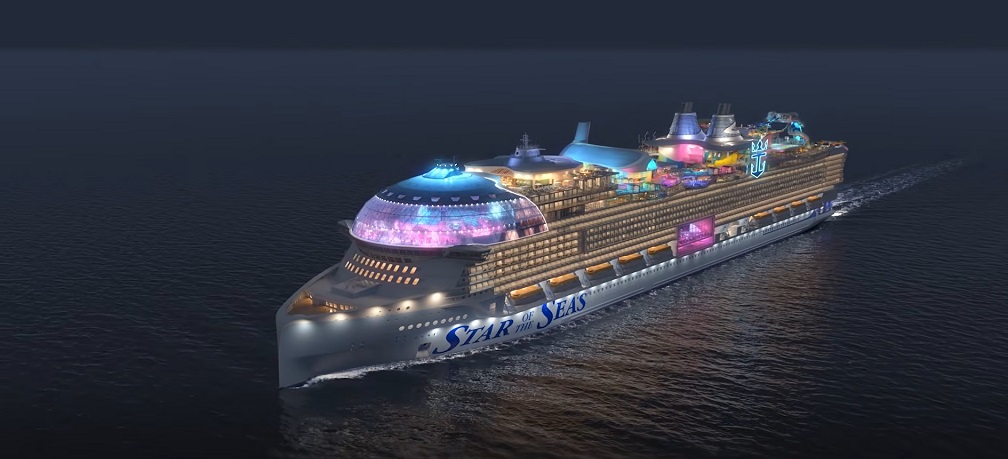
Star of the Seas size comparison is a lot more fun… and a lot more useful… when you stop comparing it only to other cruise ships and start comparing it to things people can actually picture.
If you are trying to understand whether Star feels excitingly huge, absurdly huge, or maybe just too much ship for your travel style, this guide will make the scale click fast.
And that is really the decision here. This is not just a post about ship stats. It is about whether Star of the Seas feels like your dream floating resort… or the exact point where a cruise ship starts sounding bigger than you want.
Quick verdict: Star of the Seas is not merely “large for a cruise ship.” It is a huge, full-scale floating resort. If you love mega-ships, nonstop choices, and wow-factor design, that is the whole appeal. If you want calm, simplicity, and a ship that feels easy to master in a day or two, Star may feel impressive… but not necessarily ideal.
For a broader fleet context after this, Royal Caribbean ships by size is the most helpful next step.
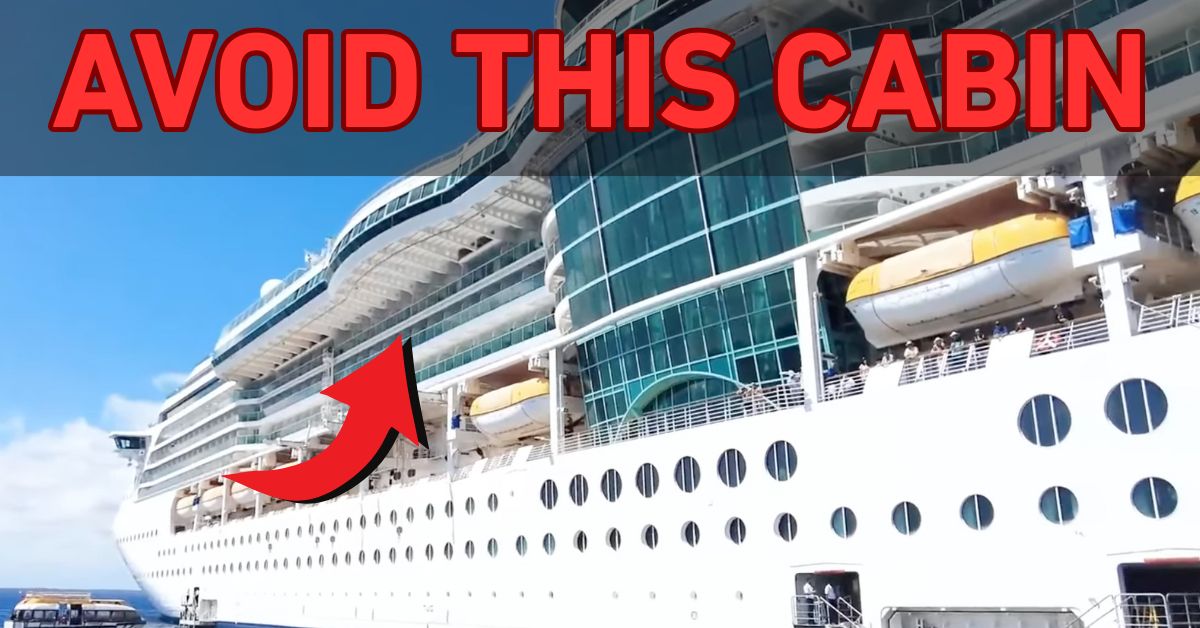
And if you’re wondering where to stay on this massive new ship, check out our guide to the Star of the Seas cabins to avoid before choosing your room.
Table of Contents
Quick Wow Chart: Star of the Seas Size Comparison
| Comparison | Star of the Seas | Why it matters |
|---|---|---|
| Length | 1,196 feet | About 3.3 football fields long |
| Width | 219 feet | Wider than a football field is wide |
| 747 jumbo jets | Nearly 5 nose to tail | The scale gets ridiculous fast. |
| Titanic | More than 300 feet longer | Modern mega-ships are in another universe. |
| Smallest Royal Caribbean ship | Roughly 3.4x the gross tonnage of Grandeur | Only a little longer on paper… but massively bigger in volume |
| Decks | 20 total decks | More resort towers than traditional ships |
| Double-occupancy guests | 5,610 | Like a floating small town before the crew even enters the picture |
What Matters Most Before You Book a Ship This Big?
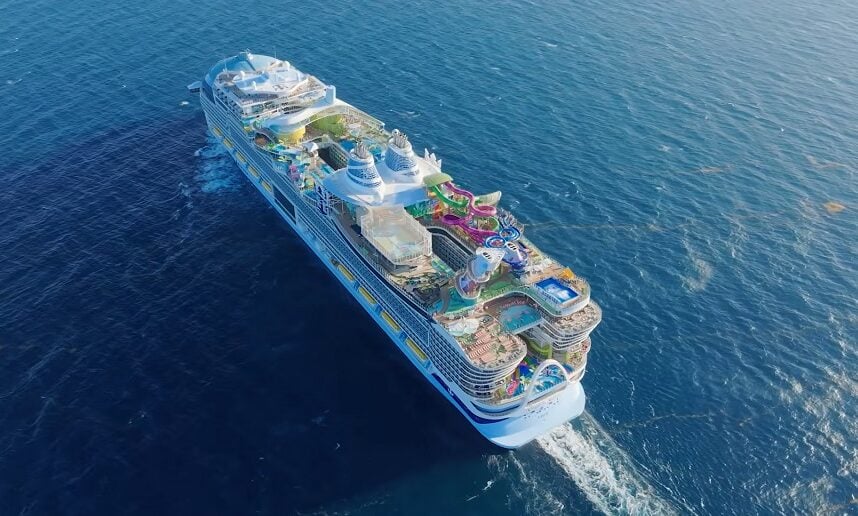
A lot of cruise content treats size like a trophy stat. Bigger must be better… end of story. I do not think that is how smart cruisers should look at it.
On a ship like Star of the Seas, size affects almost everything:
- how long it takes to get from one area to another
- how much variety you have in pools, dining, and entertainment
- whether the ship itself becomes the main attraction
- whether the atmosphere feels energizing or overwhelming
- whether you care more about ship experience or itinerary flexibility
That is why a Star of the Seas size comparison actually matters. You are not just asking, “How big is it?” You are really asking, “Will this kind of scale make my vacation better?”
My view is that Star makes the most sense for travelers who want the ship to be the vacation. If your favorite kind of cruise is wandering, exploring, trying one more venue, finding one more deck, and never running out of things to do, this size is a feature. If your ideal cruise is slower, simpler, and more sea-focused, this same size can become a drawback.
Why Star of the Seas Feels Bigger Than the Raw Numbers Suggest
Here is the non-obvious point most comparison articles miss…
Star of the Seas does not feel huge just because it is long. It feels huge because it scales in three directions at once.
Length is the flashy number people remember. But the wow factor comes from length plus width plus height plus the sheer amount of resort-style space packed inside. That is why some ships can look only a little longer on a spec sheet, yet feel dramatically bigger when you actually picture the whole thing.
This is especially true with Star because the Icon Class is designed to feel like a destination, not just a ship with extra features bolted on top.
So yes, the 1,196-foot headline matters. But the real story is what that footprint becomes once Royal Caribbean fills it with eight neighborhoods, huge top-deck attractions, broad public spaces, and enough capacity to make older ships feel like a different category of vacation entirely.
Star of the Seas vs. a Football Field
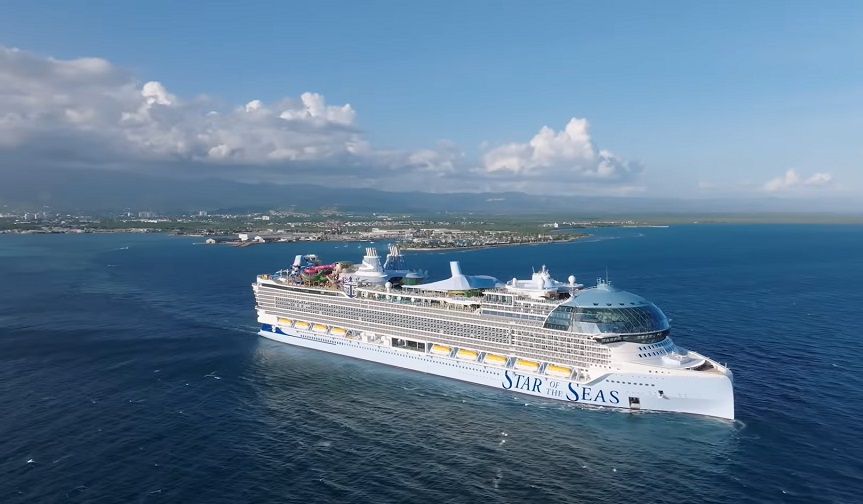
This is the easiest comparison because almost everyone can picture it instantly.
Star of the Seas is about 3.3 football fields long from end zone to end zone. That means if you laid the ship next to a football field, it would cover the whole field, keep going across a second, clear a third, and still have room left.
That alone is eye-catching. But the width comparison is what usually surprises people more.
A regulation football field is 160 feet wide. Star of the Seas is about 219 feet wide. So the ship is roughly 59 feet wider than the field itself. That is the point where the size stops sounding like a cruise stat and starts sounding borderline absurd.
Mini-verdict: Length gets the headline. Width is what makes Star look outrageous in person.
Star of the Seas vs. a 747 Jumbo Jet
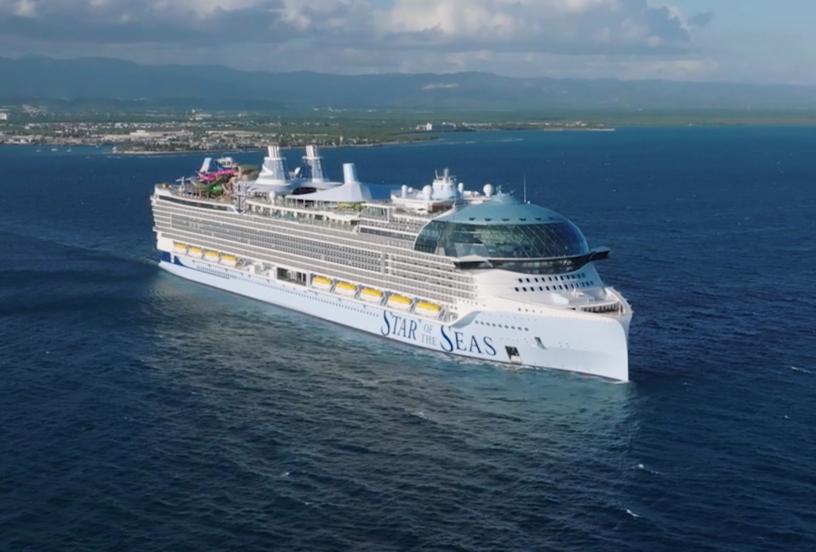
If football fields still feel a little abstract, try this one.
A Boeing 747-8 is a little over 250 feet long. Star of the Seas is nearly five 747 jumbo jets lined up nose to tail.
That is a monster comparison because a 747 already feels gigantic in real life. Most people rarely stand close to something bigger. So when you realize Star stretches on for almost five of them back-to-back, the scale hits differently.
This is also why people who see Icon-class ships in port often say the same thing… the photos do not prepare you. A ship this size does not just look big. It looks structurally excessive in the most attention-grabbing way possible.
Star of the Seas Size Comparison With Titanic
This is the comparison that grabs readers fastest because Titanic already lives in most people’s minds as the definition of a huge ship.
Titanic was about 882.5 feet long. Star of the Seas comes in at 1,196 feet. That makes Star more than 300 feet longer than Titanic.
And the width gap is just as dramatic. Titanic was about 92.5 feet wide. Star is about 219 feet wide. In other words, Star is not just longer… it is well over twice as wide.
That matters because Titanic is still the mental benchmark a lot of people use without realizing it. Once you see how much bigger Star is, the scale of modern mega-ships finally starts to feel real.
One important caveat, though… Titanic is best used as a visual reference, not a technical apples-to-apples match. These ships were built for completely different eras, expectations, and passenger experiences. But as a pure “wow” comparison, it works beautifully. Check out here the Star of the Seas vs. Titanic: Size, Stats & Surprising Facts guide.
Star of the Seas vs. the Smallest Royal Caribbean Ship
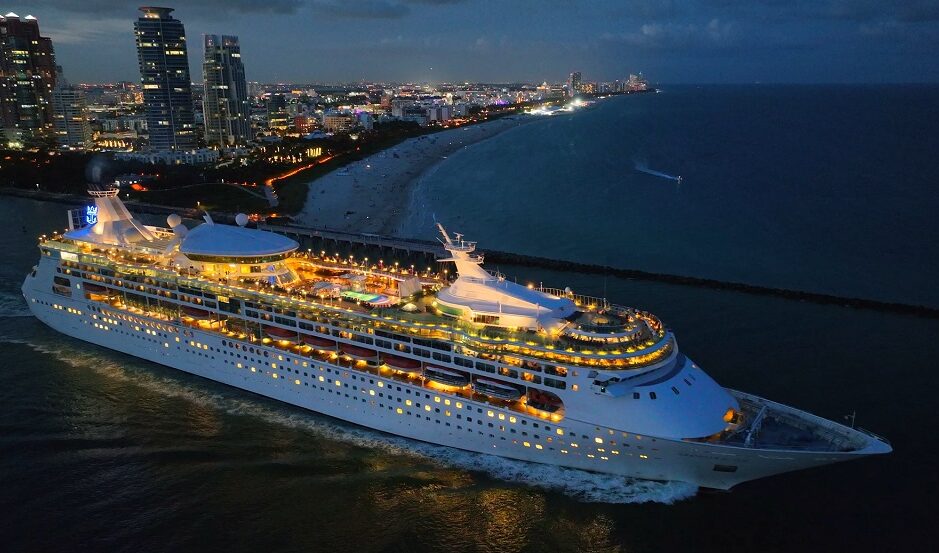
This is one of my favorite comparisons because it tells you more than almost any headline stat.
The smallest ship in Royal Caribbean’s fleet is Grandeur of the Seas. On paper, the length difference between Grandeur and Star is not as enormous as some readers expect.
Grandeur is 916 feet long. Star is 1,196 feet long. That means Star is only about 31 percent longer. Now here is where it gets interesting… Grandeur is about 105 feet wide. Star is 219 feet wide. So Star is just over twice as wide.
And in gross tonnage, which measures internal volume rather than weight, the gap becomes huge. Grandeur is 73,817 GT. Star is 248,663 GT.
That means Star has roughly 3.4 times the gross tonnage of Grandeur.
That is the kind of comparison most readers remember because it explains why Star can look only moderately longer on paper but feel like an entirely different species of ship in practice. Before booking your cabin, it’s also worth knowing which rooms to steer clear of; our guide to Grandeur of the Seas cabins to avoid breaks down the costly mistakes smart cruisers skip.
Why this comparison matters more than people think
If you have only sailed older or smaller Royal Caribbean ships, Star is not going to feel like a simple upgrade. It is going to feel like a total change in cruise style.
Grandeur is closer to the classic cruise model… smaller public spaces, simpler top decks, easier navigation, less sensory overload, and a more traditional onboard rhythm.
Star is in the opposite direction. It is bigger, wider, taller, busier, flashier, more neighborhood-driven, and much more dependent on the ship itself being a major part of the vacation.
So the best takeaway is not just that Star is bigger. It is that Star and Grandeur represent two completely different ideas of what a Royal Caribbean cruise is supposed to feel like.
Quick comparison: Star vs Grandeur
| Ship | Length | Width | Gross Tonnage | Double-Occupancy Guests | Total Decks |
|---|---|---|---|---|---|
| Star of the Seas | 1,196 ft | 219 ft | 248,663 GT | 5,610 | 20 |
| Grandeur of the Seas | 916 ft | 105 ft | 73,817 GT | 1,992 | 12 |
The non-obvious insight: Star is not even close to “just a bigger Grandeur.” It is more like comparing a large resort complex to a classic hotel.
Star of the Seas Size Comparison vs. 30 School Buses
This one sounds silly until you picture it.
A full-size school bus is about 40 feet long. Star of the Seas is roughly 30 school buses lined up bumper to bumper.
That is helpful because school buses are ordinary. You can actually picture that line stretching down a road. And once you do, it becomes easier to understand why embarkation photos and port shots of Icon-class ships look almost unreal.
Star of the Seas Size Comparison vs. a Line of Blue Whales
Blue whales are already one of the biggest things most people can imagine. A large blue whale can reach about 100 feet long.
So Star of the Seas is roughly the length of 12 large blue whales lined up head to tail.
This is not the most practical booking comparison, obviously, but it is a great attention hook because it instantly communicates scale without sounding like a generic cruise stat dump.
Star of the Seas Size Comparison vs. a Floating Small Town
The ship itself is not the only thing that is massive.
At double occupancy, Star carries 5,610 guests. Add roughly 2,350 crew, and you are looking at nearly 8,000 people onboard when the ship is operating full.
That is why mega-ships like this live or die on layout and crowd flow. Once you get to this kind of population, the question is no longer, “Can they fit everyone onboard?” Of course they can. The real question becomes whether the ship is designed well enough to keep the experience from feeling chaotic.
That is one reason the Icon Class is so interesting. Royal Caribbean is not simply trying to break size records. It is trying to make that scale feel organized, zoned, and experience-driven.
Why Star Can Look Only Slightly Bigger Than Some Ships on Paper
This is where a lot of comparison posts fall apart.
If you compare Star only to Oasis-class giants like Wonder of the Seas or Utopia of the Seas, the raw length gap sounds modest. That can make readers think the size difference is overhyped. But that reading misses the real point.
The most meaningful gap is not always in raw length. It is in how much volume, width, neighborhood design, and resort-style space the ship creates out of a broadly similar footprint.
That is why Star can sound only a little bigger than an Oasis-class ship in one sentence… and then feel clearly more extreme once you step back and picture the whole thing.
- If you compare Star to Grandeur, the jump feels shocking.
- If you compare Star to Titanic, the jump feels historic.
- If you compare Star to other recent mega-ships, the jump feels more like refinement plus scale plus smarter use of space.
All three are true. They just answer different reader questions.
What Legend of the Seas and Hero of the Seas Change
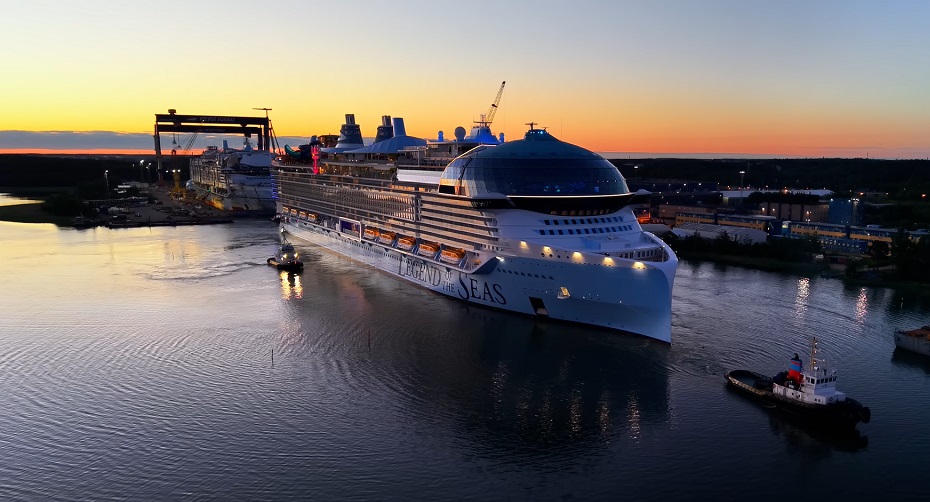
This is worth including because by 2026, readers are no longer only thinking about Star. They are also hearing about the next Icon-class ships and wondering whether Star will still feel special.
The short answer is yes… but the conversation changes.
Legend of the Seas is the third Icon-class ship and is set for summer 2026 sailings in Europe before its Fort Lauderdale debut in November 2026. That matters because it means Star is no longer just the shiny follow-up to Icon. It becomes part of a true class rollout.
Hero of the Seas takes that even further. Royal Caribbean has already introduced Hero as the fourth Icon-class ship, arriving in Miami in August 2027 with new family-focused features like nine pools, 28 dining venues, new raft slides, cooking classes, and the Ultimate Family Treehouse.
So does that make Star less impressive?
Not really. What it does is shift the angle.
When Star first enters the conversation, the story is pure scale and spectacle. Once Legend and Hero are part of the lineup, the conversation becomes more nuanced:
- Which Icon-class ship has the best deployment for me?
- Which one has the best new features?
- Which one feels most worth the premium?
- Do I want the original Icon feel, the Star follow-up, Legend’s rollout, or Hero’s next-wave family upgrades?
That is why I would not position Legend and Hero mainly as ships that make Star look smaller. I would position them as proof that Star sits inside Royal Caribbean’s newest mega-ship era, not at the end of it.
The smart takeaway for readers: Star of the Seas Size Comparison
If your goal is a raw wow factor, Star still absolutely works as a headline ship.
If your goal is to be on the newest possible version of the Icon concept, then readers should at least know that Legend and Hero are coming and that Royal Caribbean is still evolving the class.
That is also a great place to naturally point readers toward Royal Caribbean ships by age and Royal Caribbean ship classes if they want the bigger-picture version.
Star of the Seas Size Comparison to Other Royal Caribbean Mega-Ships
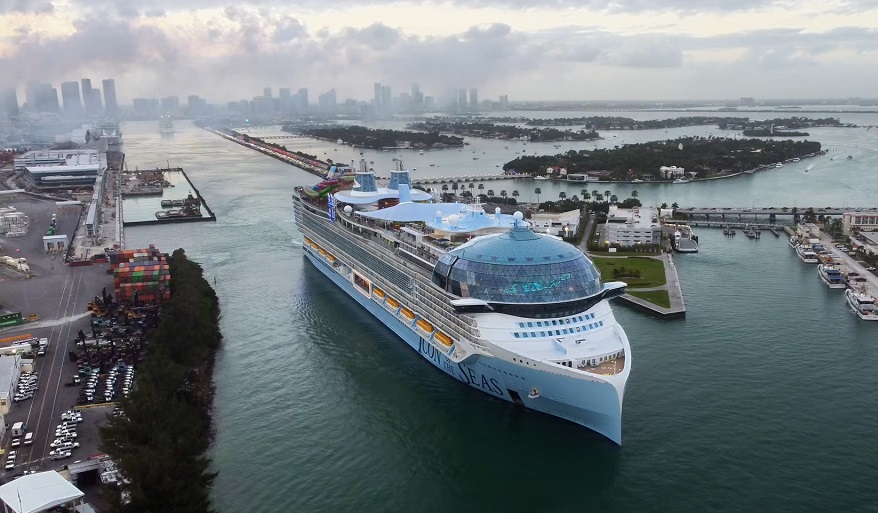
You said not to make this a full ship-vs-ship article, and I agree. But readers still want a short reality check near the end.
Here is the simplest version:
| Ship | Core takeaway |
|---|---|
| Star of the Seas | Full Icon-class floating-resort scale |
| Icon of the Seas | Essentially the same size tier and overall concept |
| Wonder of the Seas | Still enormous, but not in quite the same visual or volume tier |
| Utopia of the Seas | Huge and flashy, but still feels more like the peak of Oasis than the next step beyond it |
| Grandeur of the Seas | A totally different era and style of cruising |
The key point is this… Star is not just another big Royal Caribbean ship. It sits in the narrow top band of ships that feel more like engineered resort complexes than traditional cruise ships.
Common Mistakes to Avoid: Star of the Seas Size Comparison
Comparing only the length
Why it is a problem: Length is the easiest number to quote, but it does not capture width, total volume, or how dramatically different the onboard experience can feel.
Extra considerations: This is exactly why Star can look only modestly bigger than some ships on paper while feeling much more extreme in real life.
Better alternatives: Compare length, width, gross tonnage, guest capacity, and overall style of ship.
Assuming bigger automatically means better
Why it is a problem: Bigger ships bring more variety, more dining, more attractions, and more wow… but also longer walks, busier terminals, and a more high-energy atmosphere.
Extra considerations: The trade-off matters more for travelers who care about ease, intimacy, and a calmer sea-day vibe.
Better alternatives: Treat ship size as a fit issue, not a trophy stat.
Ignoring the upcoming Icon-class ships
Why it is a problem: Readers booking farther out may wrongly assume Star is the final word in this class when Legend and Hero are already changing the future lineup.
Extra considerations: That does not make Star obsolete, but it does affect how you frame the decision for readers comparing timing, homeport, and the newest features.
Better alternatives: Use Star as the main wow-factor example, then acknowledge Legend and Hero so the article feels current and complete.
Who Should Book Star of the Seas: Star of the Seas Size Comparison
Star makes the most sense for travelers who see size as part of the fun.
That usually means:
- families who want the ship itself to be a major attraction
- first-time cruisers who want maximum spectacle
- groups who like having tons of dining, entertainment, and activity choices
- Royal Caribbean fans who want to experience the Icon-class style at full scale
- travelers who care more about the onboard product than about visiting smaller ports
Who Should Skip Star of the Seas: Star of the Seas Size Comparison
A star is not the default best choice just because it is huge.
You may want to skip it if you:
- prefer smaller ships that feel calmer and easier to learn
- care more about unusual ports than about the ship itself
- want a more traditional cruise rhythm
- get overwhelmed by highly programmed, high-energy vacation environments
- would rather trade wow factor for simplicity and intimacy
FAQs: Star of the Seas Size Comparison
How many football fields long is Star of the Seas?
About 3.3 football fields long when you count the full field from end zone to end zone.
How many 747 jumbo jets long is Star of the Seas?
Nearly five 747 jumbo jets lined up nose to tail.
Is Star of the Seas bigger than Titanic?
Yes… by a wide margin. It is more than 300 feet longer and well over twice as wide.
Is Star of the Seas bigger than the smallest Royal Caribbean ship by a lot?
Yes. It is only about 31 percent longer than Grandeur of the Seas, but it is just over twice as wide and roughly 3.4 times the gross tonnage.
Why does Star feel so much bigger than older ships?
Because the scale comes from width, volume, and resort-style layout… not just length.
Is Star of the Seas the same size as Icon of the Seas?
It is essentially in the same top-tier size band, which is why the more meaningful differences often come down to ship personality, homeport, and itinera
Will Legend of the Seas make Star feel outdated?
Probably not. It makes the Icon Class feel more established, but Star still stands as one of the biggest and boldest ships in the fleet.
What about Hero of the Seas?
Hero matters because it shows Royal Caribbean is still pushing the Icon-class concept forward with even more family-focused features.
Does bigger always mean better on a cruise?
No. Bigger usually means more choice and more spectacle, but not always more relaxation, simplicity, or itinerary flexibility.
Can a ship this big visit smaller ports?
No. Ships at this scale are best suited to major cruise ports and private destinations built to handle them.
Jim’s Take About Star of the Seas Size Comparison

My view is that the best Star of the Seas size comparison is not the one with the most ship stats. It is the one that makes the scale land instantly.
I have sailed Royal Caribbean 15 times, and even ships like Liberty of the Seas already feel huge to a lot of people. Star looks like the point where a cruise ship stops feeling like a ship with a lot of amenities and starts feeling like a full floating destination.
That is why I think the most effective comparisons in this article are not even the obvious ship-to-ship ones. Football fields work. 747s work. Titanic definitely works.
But the smallest-Royal-Caribbean comparison may be the best one of all because it explains something most readers miss… being only somewhat longer does not mean feeling only somewhat bigger.
If it were me, I would book Star because I wanted the biggest, boldest Royal Caribbean experience possible and because I wanted the ship itself to be part of the entertainment. I would skip it without hesitation if my priority was a quieter, simpler, more classic cruise feel.
Final Recommendation About Star of the Seas Size Comparison
If your goal is pure wow factor, Star of the Seas absolutely deserves the hype.
And if you want this article to outperform the generic competition, the angle should not be “here are the specs again.” It should be this:
Star of the Seas is about 3.3 football fields long, nearly five 747s nose to tail, more than 300 feet longer than Titanic, and roughly 3.4 times the gross tonnage of the smallest Royal Caribbean ship.
That combination gives readers both the viral hook and the real decision value.
It grabs attention, but it also answers the booking question underneath it… Star is best for travelers who want the cruise ship itself to be the main event.