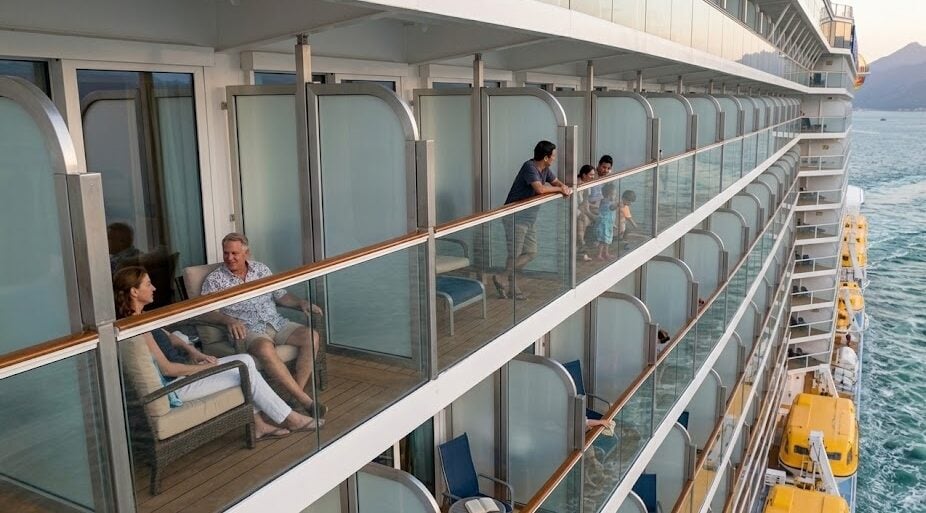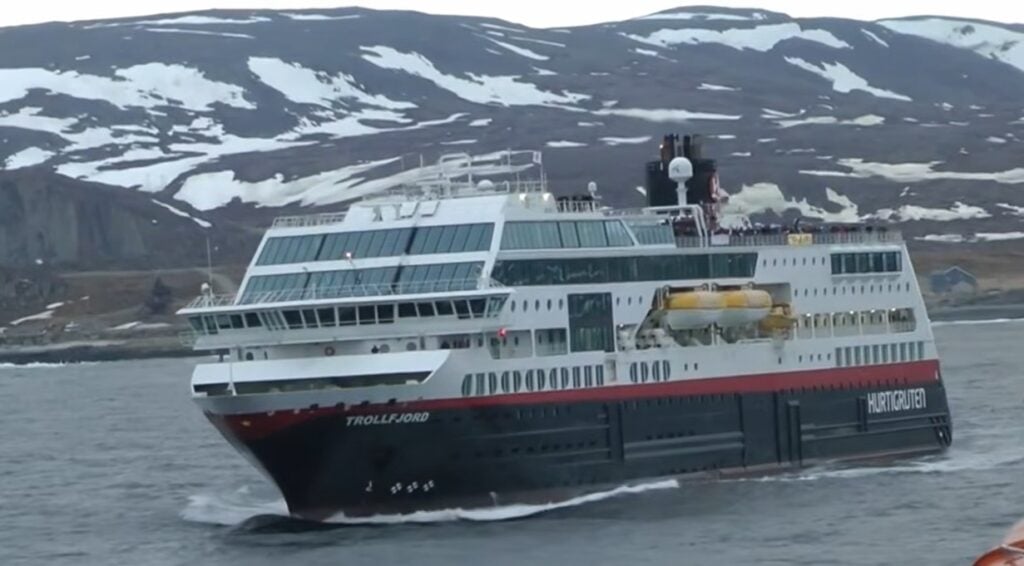
Your cruise planning should be exciting, but knowing the roughest seas for cruise ships can make a big difference when choosing your itinerary, travel dates, and cabin location.
Nobody wants to spend their vacation feeling seasick, watching the horizon move up and down, or wondering whether the ship will make its next port.
The good news? Most cruises are far smoother than people expect. Modern ships are designed to handle challenging ocean conditions, and captains routinely adjust routes to avoid dangerous weather.
But not every cruising destination is not the same. In my view, the smartest approach isn’t avoiding every destination with a reputation for rough seas. It’s understanding when and where the risk increases before spending your money.
Here’s what you should know before booking.
Table of Contents
Roughest Seas for Cruise Ships: A Quick Comparison
The roughest seas for cruise ships are generally found in exposed ocean passages, storm-prone regions, and areas where powerful winds and currents interact.
The Drake Passage near Antarctica is particularly notorious, while the Bay of Biscay, North Atlantic, and Gulf of Alaska can also deliver uncomfortable conditions.
Check out below comparison:
| Ocean or Sea | Roughest Conditions | My Booking Advice |
|---|---|---|
| Drake Passage | Possible year-round | Expect significant motion |
| Bay of Biscay | Autumn and winter | Summer is generally preferable |
| North Atlantic | Late autumn through winter | Avoid winter crossings if sensitive |
| Gulf of Alaska | Autumn and winter | Consider sheltered Inside Passage routes |
| Caribbean | Hurricane season | Consider itinerary flexibility |
| Mediterranean | Autumn and winter | Summer is generally calmer |
| South China Sea | Monsoon and typhoon periods | Research regional storm seasons |
| North Pacific | Winter and early spring | Prepare for exposed sea days |
| Tasman Sea | Stormy periods throughout the year | Allow for unpredictable conditions |
These are seasonal tendencies, not guarantees. A supposedly calm summer crossing can still be rough, while a winter sailing might encounter surprisingly comfortable conditions.
1. Drake Passage
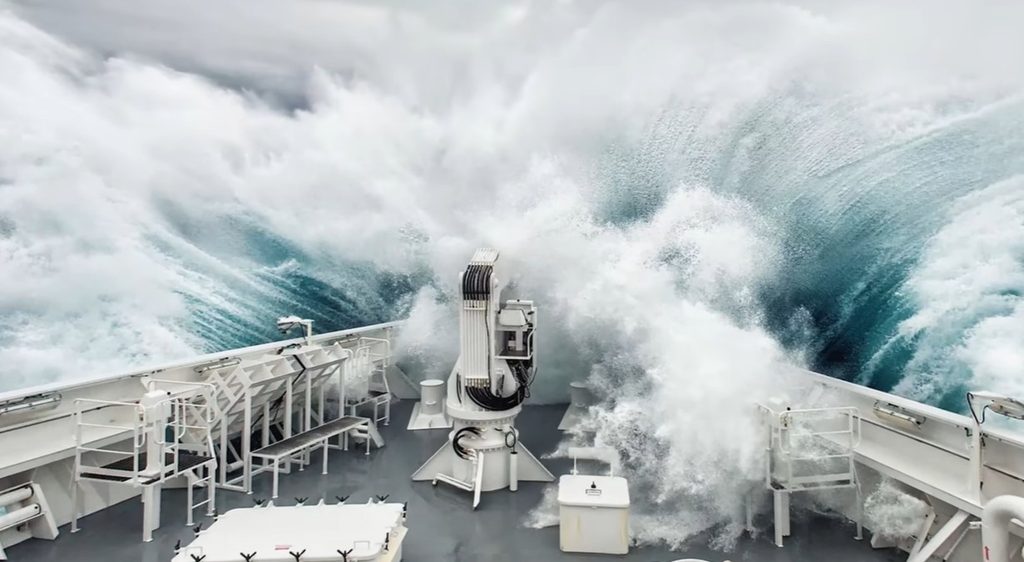
The Drake Passage separates South America from Antarctica and has a reputation that even experienced travelers respect.
Strong westerly winds circle the Southern Ocean with relatively little land to interrupt them. Combined with powerful currents and enormous stretches of open water, they can generate substantial waves.
Cruisers sometimes describe two very different experiences:
- Drake Lake: Relatively calm conditions with manageable movement.
- Drake Shake: Rough conditions that can make walking, sleeping, and eating uncomfortable.
Neither experience is guaranteed.
Should You Avoid an Antarctica Cruise?
Not necessarily. Antarctica offers an extraordinary experience, and many travelers consider the crossing worthwhile. However, if you suffer from severe motion sickness, consider an Antarctica itinerary that includes flying across the Drake Passage.
These fly-cruise options can reduce your exposure to the crossing, although flights are weather-dependent and may face delays.
My verdict: Antarctica is worth considering for adventurous travelers, but the Drake Passage is not where I’d recommend testing your tolerance for rough seas.
2. Bay of Biscay
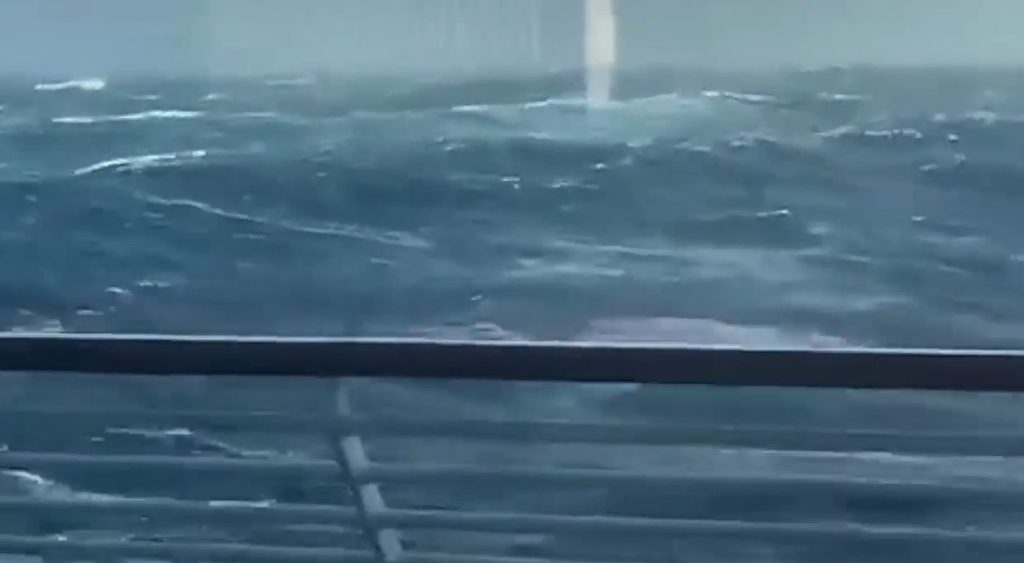
Located between western France and northern Spain, the Bay of Biscay is another well-known trouble spot.
Atlantic storms can produce strong winds and large swells, particularly during the colder months. The continental shelf and changing seabed can also influence wave behavior.
Cruises departing Southampton for Spain, Portugal, or the Mediterranean may cross this region.
When Is the Bay of Biscay Calmest?
Summer generally offers better odds of comfortable conditions than winter. However, even a July or August crossing can encounter uncomfortable swells. If you’re particularly sensitive to movement, compare itineraries carefully rather than assuming every European cruise involves this crossing.
My verdict: I wouldn’t reject an otherwise excellent cruise because of the Bay of Biscay, but I’d think twice about a winter crossing if seasickness is a major concern.
3. North Atlantic Ocean
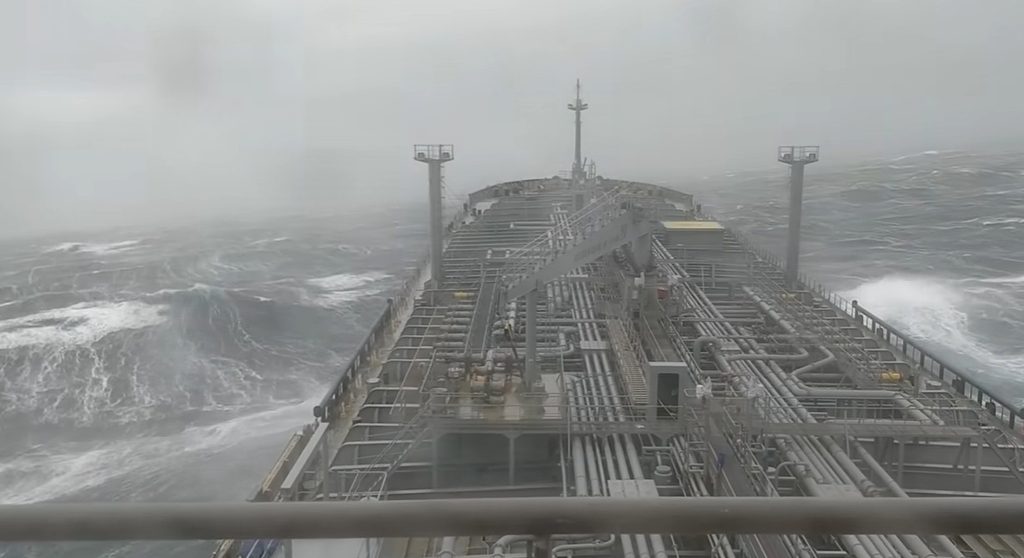
The North Atlantic deserves its reputation for powerful storms. Cruises crossing between Europe and North America can spend several consecutive days in exposed ocean conditions.
During autumn and winter, developing low-pressure systems can generate strong winds and large swells. The important distinction is that a transatlantic crossing offers fewer opportunities to escape uncomfortable conditions quickly.
Are Transatlantic Cruises Always Rough?
No. Many crossings are relatively comfortable, particularly during favorable weather patterns. However, several consecutive sea days can make motion more tiring than a short stretch of rough water on a Caribbean cruise.
If you’re considering a transatlantic sailing, ship design, cabin location, and travel season deserve extra attention.
My preference for motion-sensitive travelers would be a crossing during a generally milder season rather than the middle of winter.
4. Gulf of Alaska
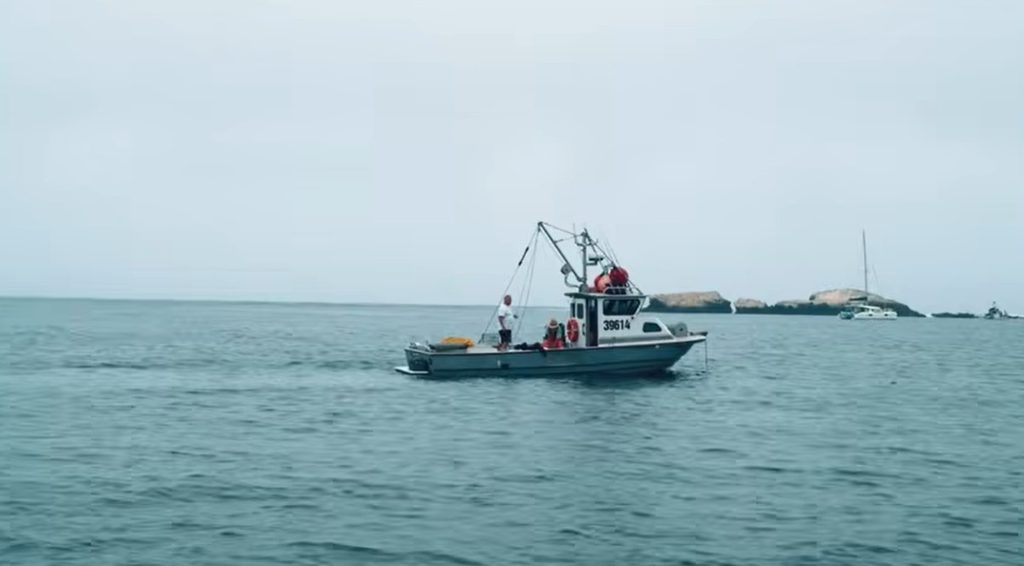
Alaska cruises are often associated with calm water, spectacular scenery, and protected coastal routes. That description fits much of the Inside Passage. The Gulf of Alaska is different.
This exposed body of water can experience powerful storms and large ocean swells, especially outside the main summer cruising season.
Which Alaska Itinerary Is Better?
If smooth sailing matters, consider a round-trip Inside Passage itinerary with substantial time in sheltered waters.
One-way Gulf-crossing itineraries can offer excellent destination advantages, but they may involve more exposure to open ocean.
The important takeaway: Two Alaska cruises visiting similar ports can offer very different motion experiences depending on their routes.
For travelers who prioritize comfort over covering the greatest distance, the more sheltered itinerary may be the smarter choice.
5. Caribbean Sea
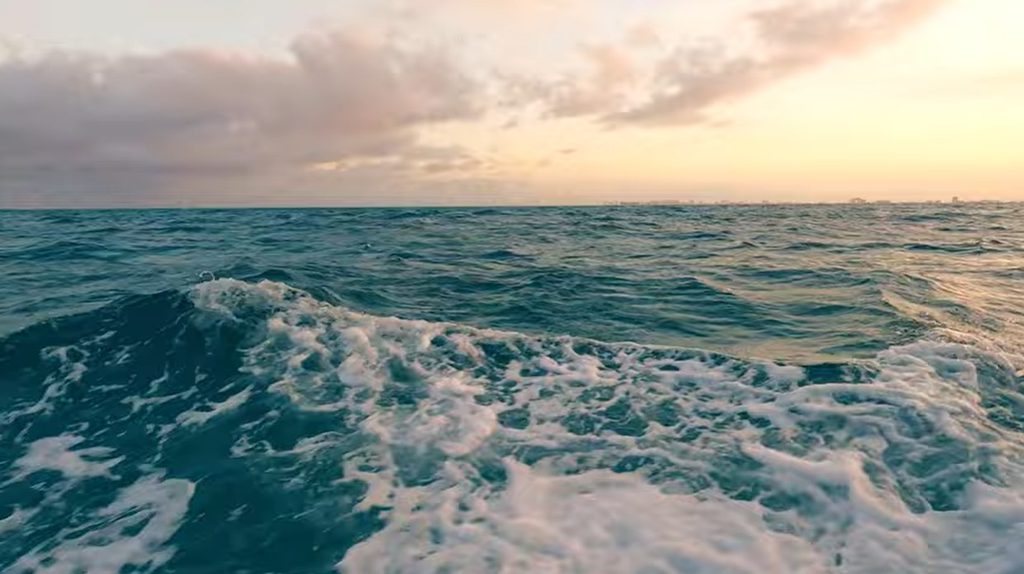
The Caribbean is a favorite cruising region for good reason. Warm weather, beautiful beaches, and relatively short distances between ports make it appealing for families and first-time cruisers. But the Caribbean also experiences tropical storms and hurricanes.
The Atlantic hurricane season officially runs from June 1 through November 30, with activity typically peaking around September. That doesn’t mean every cruise during these months will encounter rough seas. Many sailings remain perfectly enjoyable.
What Makes Caribbean Cruises Rough?
Conditions can become uncomfortable when ships encounter tropical systems, strong trade winds, or Atlantic swells.
Some routes through exposed passages can feel noticeably different from protected island waters. Cruise lines monitor developing storms and may change ports or routes when necessary.
If you’re comparing a Caribbean cruise with other destinations, the biggest concern during hurricane season may be itinerary disruption rather than constant rough seas. For example, a planned stop at Perfect Day at CocoCay could change if weather conditions make the visit unsafe.
My advice is to book with flexibility and avoid becoming emotionally attached to one particular port.
6. Mediterranean Sea

The Mediterranean looks relatively protected on a map, but that doesn’t mean it always offers smooth sailing. Strong regional winds and developing storms can create uncomfortable conditions.
The western Mediterranean can experience powerful Mistral winds, while other regions have their own seasonal wind patterns. Autumn and winter generally bring greater storm potential.
Is Summer Better for Mediterranean Cruises?
Usually, yes. Summer tends to provide more favorable conditions for travelers worried about rough water. However, calmer seas come with trade-offs, including hotter temperatures and busier destinations.
For couples seeking a balance between comfortable sailing and fewer crowds, late spring or early autumn may be appealing. Just remember that early autumn isn’t automatically storm-free.
7. South China Sea
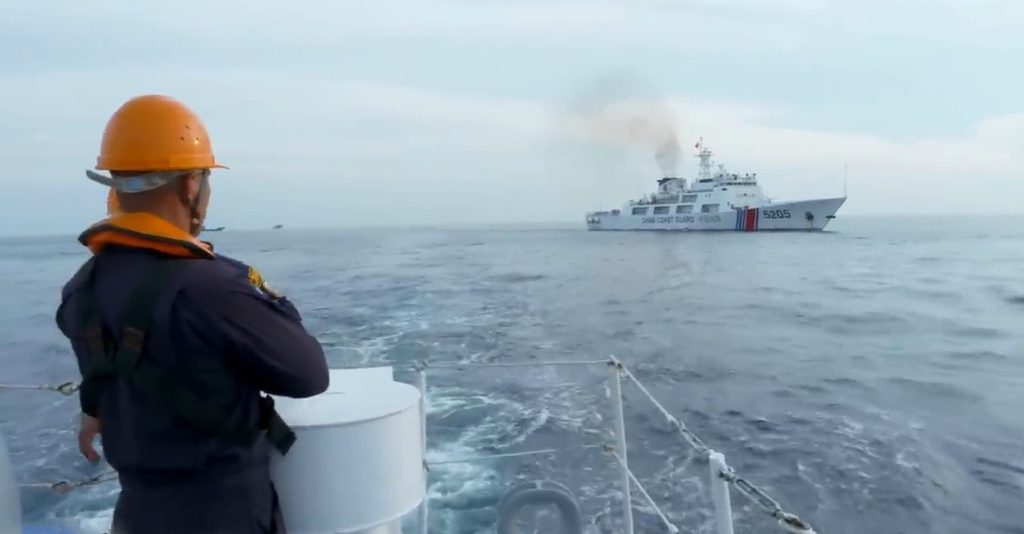
The South China Sea can be challenging because of seasonal monsoons and tropical cyclones. Conditions vary significantly depending on the specific route and time of year.
Cruises traveling between parts of Southeast Asia, Vietnam, Hong Kong, and nearby destinations may encounter exposed stretches of water.
The northeast monsoon can bring stronger winds during cooler months, while tropical cyclones present additional risks during warmer periods.
Should You Avoid Southeast Asian Cruises?
Not at all. But I recommend researching the weather patterns for your exact itinerary rather than relying on one general rule for the entire region.
A cruise departing Singapore may experience very different conditions from one sailing farther north. That geographic difference matters more than many travelers realize.
8. North Pacific Ocean
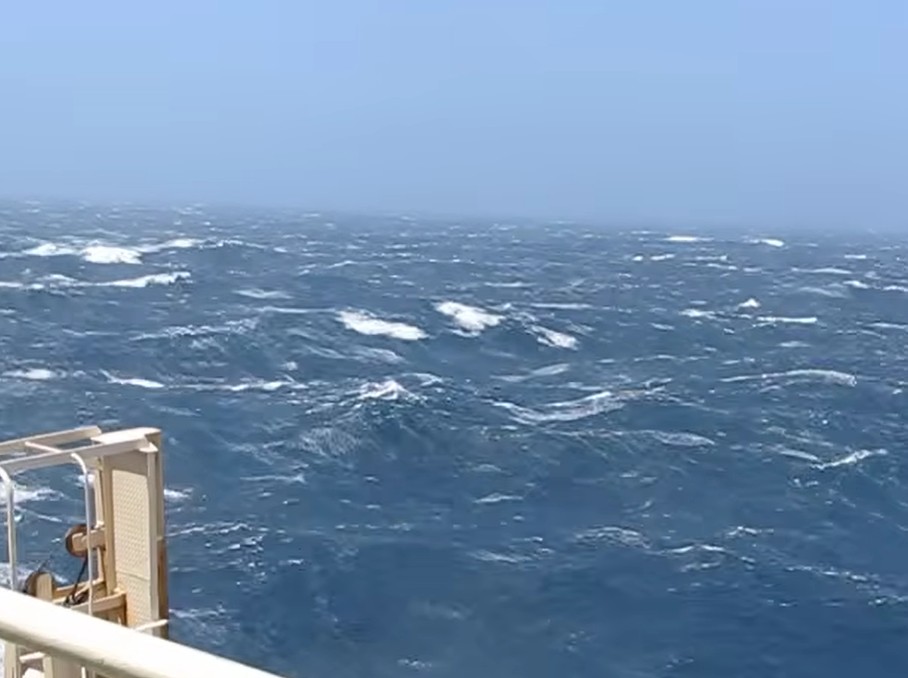
The North Pacific can produce powerful winter storms and substantial ocean swells. Cruises crossing between North America and Hawaii or traveling across the Pacific may spend multiple days away from sheltered coastal waters.
This matters because uncomfortable motion can continue longer than it might on a port-intensive itinerary.
Are Hawaii Cruises Rough?
They can be, particularly on routes involving several consecutive Pacific sea days. However, Hawaii cruises are not automatically rough. Weather systems, route, season, and swell direction all influence the experience.
If you’re choosing between a round-trip mainland sailing and a cruise focused mainly on the Hawaiian Islands, consider how many exposed sea days each itinerary includes.
For motion-sensitive travelers, that difference may matter more than the ship’s entertainment options.
9. Tasman Sea
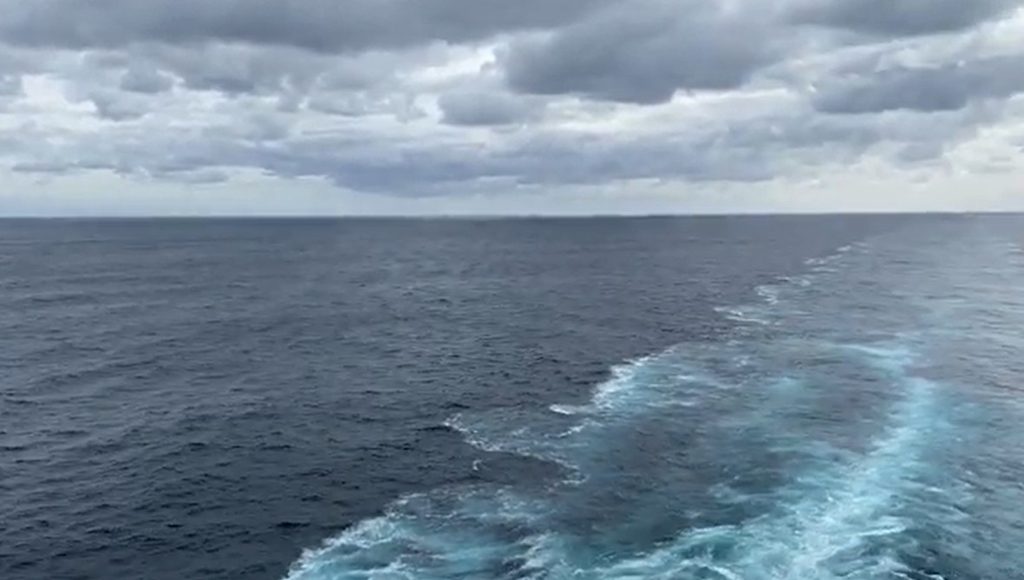
The Tasman Sea lies between Australia and New Zealand. It can experience strong winds, developing low-pressure systems, and significant swells. Conditions can change quickly, and rough weather is possible throughout the year.
Cruises crossing the Tasman Sea may have longer stretches of exposed sailing than travelers expect.
Is a New Zealand Cruise Worth the Risk?
Absolutely, for the right traveler. New Zealand offers remarkable scenery and worthwhile ports. But if your main goal is consistently smooth sailing, an itinerary with more protected coastal cruising may be preferable to one with multiple open-water crossings.
My verdict: Choose the itinerary for the destinations, but understand the crossing before booking.
When Are the Roughest Seas for Cruise Ships Most Likely?
Season matters, but geography matters just as much. Northern ocean regions generally experience more powerful storm systems during winter.
Tropical regions face different risks associated with hurricane and typhoon seasons. The Southern Ocean can remain challenging even during the Antarctic cruising season.
One mistake is assuming that booking during a destination’s most popular cruise season guarantees calm water. It doesn’t.
The better strategy is to combine favorable seasonal timing with an itinerary that minimizes exposed sea days.
What Actually Makes a Cruise Ship Feel Rough?
Wave height isn’t the only factor. The direction of the waves, the ship’s speed, and the duration of the swell all influence how much movement passengers experience. Two ships encountering similar wave heights may feel very different.
Rolling Versus Pitching
Rolling is the side-to-side movement of a ship. Pitching is the forward-and-back movement as the bow rises and falls. Modern stabilizers can reduce rolling, but they cannot eliminate all movement, especially pitching. That’s why even a large, modern cruise ship can feel uncomfortable in certain conditions.
Does a Bigger Cruise Ship Handle Rough Seas Better?
Often, a larger ship can provide a more comfortable experience, but size alone isn’t a guarantee. Hull design, stabilizers, speed, and wave direction also matter.
If you’re comparing Royal Caribbean ships, understanding Royal Caribbean ships by size can help put those differences into perspective. Don’t automatically assume the newest or largest ship will eliminate seasickness.
Best Cruise Cabin Location for Rough Seas
Cabin selection is one of the few things you can control before sailing. For travelers worried about movement, I generally recommend a lower, midship cabin. Midship locations tend to experience less pitching than cabins near the bow or stern.
Lower decks also reduce the exaggerated side-to-side movement that can be felt higher above the ship’s center of motion.
| Cabin Location | Motion Consideration |
|---|---|
| Lower midship | Usually the best choice |
| Upper midship | Convenient, but potentially more movement |
| Forward | More noticeable pitching |
| Aft | Can experience pitching and vibration |
Common Mistakes to Avoid When Booking Rough-Sea Itineraries
Choosing a Cruise Based Only on the Destination
Why it is a problem: Two cruises visiting similar destinations can have very different exposure to open water.
Extra considerations: Compare sea days, departure ports, and whether the route uses sheltered passages.
Better alternatives: Choose the itinerary with fewer exposed crossings when motion sensitivity is important.
Assuming Large Ships Cannot Feel Rough Seas
Why it is a problem: Stabilizers reduce movement but cannot eliminate it.
Extra considerations: Wave direction and duration can matter as much as ship size.
Better alternatives: Prioritize route, season, and cabin location alongside ship selection.
Booking a Guarantee Cabin When Motion Matters
Why it is a problem: A guarantee cabin may save money, but you usually surrender control over its exact location.
Extra considerations: You could receive a cabin farther forward or higher than you’d prefer.
Better alternatives: Select a specific lower-midship cabin if you’re particularly sensitive to motion.
How to Prepare for Rough Seas on a Cruise
Even with careful planning, you cannot guarantee calm conditions.
Fortunately, there are practical ways to make an uncomfortable sailing easier.
- Choose a lower-midship cabin when possible.
- Consider motion-sickness remedies before symptoms begin, following medical or product guidance.
- Stay hydrated and avoid excessive alcohol.
- Eat small, manageable meals if your stomach feels unsettled.
- Look toward the horizon when safe and practical.
- Get fresh air when outdoor areas are open and conditions permit.
- Follow crew instructions during rough weather.
If you’re prone to severe motion sickness, speak with a healthcare professional before sailing about suitable prevention options.
FAQs About the Roughest Seas for Cruise Ships
What is the roughest sea for cruise ships?
The Drake Passage is among the most notorious, although severe conditions can develop in several major ocean regions.
What month has the roughest seas for cruises?
There is no single worst month worldwide. Winter storms affect many northern routes, while tropical storm seasons influence warmer regions.
Can cruise ships survive 30-foot waves?
Modern cruise ships are designed for challenging marine conditions, but safety depends on the vessel, wave characteristics, and operating decisions. Captains work to avoid dangerous weather.
Can a cruise ship tip over in rough seas?
Modern cruise ships have extensive stability and safety requirements. Capsizing is extremely rare, but severe seas still require careful navigation and operational precautions.
Which cruise destinations usually have calmer water?
Sheltered itineraries, including parts of Alaska’s Inside Passage and protected coastal routes, can offer better odds of smoother sailing.
Are Caribbean cruises usually calm?
Many are relatively comfortable, but tropical storms, strong winds, and Atlantic swells can create rough conditions.
Do cruise ship stabilizers prevent seasickness?
No. They help reduce rolling, but passengers may still experience movement and motion sickness.
Is a balcony cabin better for seasickness?
Not necessarily. A lower-midship interior cabin may experience less noticeable motion than a high, forward balcony.
Will cruise lines cancel ports because of rough seas?
Yes. Captains may change itineraries, skip ports, or adjust schedules when weather makes the planned route or port call unsafe.
Should first-time cruisers avoid transatlantic crossings?
Not automatically, but a shorter, port-intensive itinerary may be a more comfortable introduction for someone concerned about motion sickness.
Jim’s Take

My view is that the roughest seas for cruise ships shouldn’t automatically scare you away from an itinerary you’ve always wanted to experience.
But I also wouldn’t ignore the risks simply because a cruise ship is large.
After more than 20 cruises, I’ve learned that the small booking decisions often matter more than the expensive upgrades.
Cabin placement, itinerary design, and realistic expectations can make a meaningful difference in your overall comfort.
If I were booking a relaxing couples cruise, I’d prioritize a comfortable midship cabin and an itinerary with a reasonable balance of sea days and ports.
For a family vacation, I’d pay even closer attention to seasonal weather and the possibility of itinerary changes.
And if I were booking Antarctica or an ocean crossing, I’d approach it differently. I’d accept that some movement may be part of the experience and prepare accordingly.
The goal isn’t to find an ocean that never gets rough. It’s to choose a cruise where the potential trade-offs make sense for you.
Final Recommendation
Before booking, think about what would genuinely spoil your vacation. If seasickness is your biggest concern, I’d avoid exposed winter ocean crossings and consider sheltered, port-intensive itineraries instead.
If missing a particular port would ruin your trip, be especially cautious when booking during regional storm seasons. If you’re adventurous and comfortable with unpredictable conditions, destinations such as Antarctica, Alaska, and New Zealand can still be excellent choices.
And if you’re watching your budget, remember that choosing a better itinerary and cabin location can be more valuable than paying for a premium stateroom.
Ultimately, understanding the roughest seas for cruise ships isn’t about becoming afraid of the ocean. It’s about booking smarter, preparing properly, and giving yourself the best possible chance of enjoying every day of your cruise.