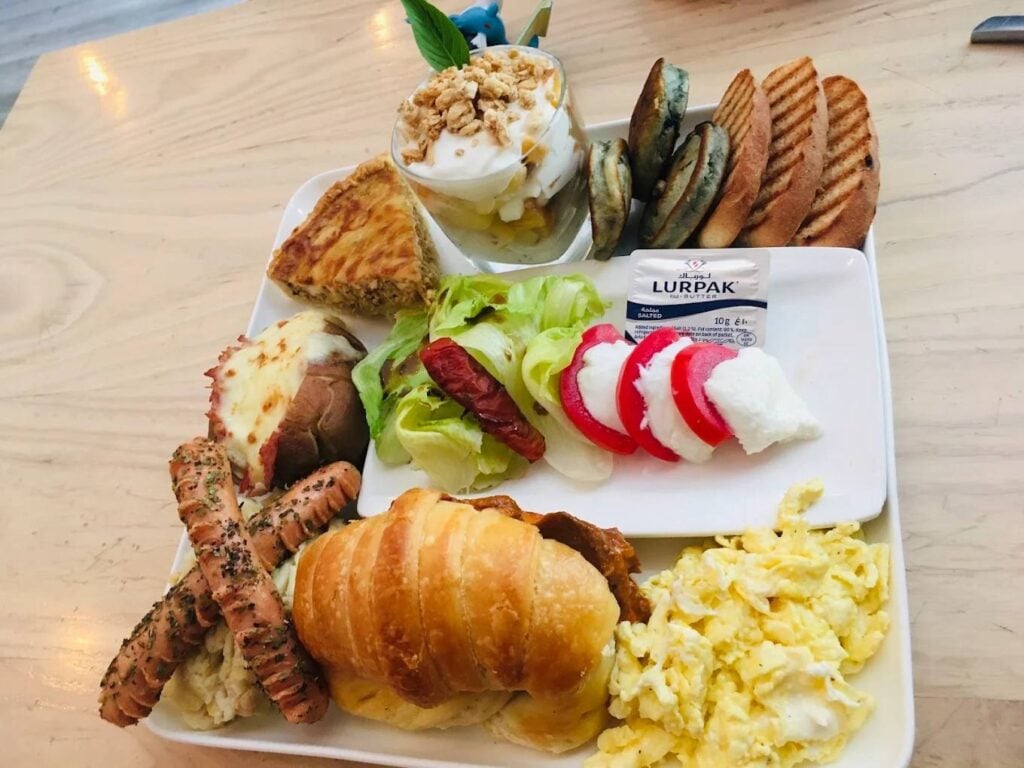
If you love eating on vacation but hate wasting money, these cruise ship food facts will help you understand what happens behind the scenes, which meals are worth your time, and where cruise lines quietly make their money.
Cruise ships serve an incredible amount of food. Between the buffets, main dining rooms, specialty restaurants, and late-night snacks, you could spend your entire vacation eating and still miss something.
But here is what many first-time cruisers don’t realize: The most expensive restaurant isn’t necessarily the best, unlimited food doesn’t always mean unlimited choices, and sometimes a simple pizza beats a fancy dinner.
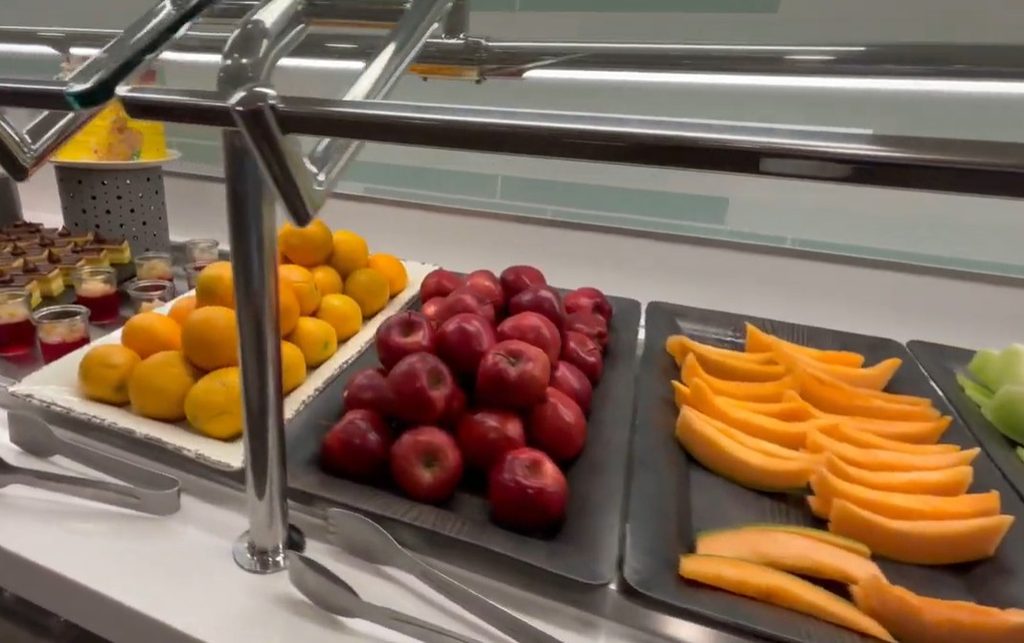
After more than 20 cruises, I have learned that understanding how cruise dining works can make a real difference.
Here are 15 surprising facts that will help you eat smarter, spend less, and enjoy your next cruise even more.
Table of Contents
Quick Answer: What You Should Know About Cruise Ship Food
Before getting into the interesting stuff, here are the cruise ship food facts I think matter most:
- Best value: The main dining room, buffet, and complimentary casual venues.
- Best potential upgrade: One carefully chosen specialty restaurant.
- Biggest money trap: Paying for dining packages you won’t fully use.
- Best crowd-avoidance strategy: Eat outside peak dining periods when practical.
- Most overlooked food: Smaller cafés, pizza counters, and casual grills.
My recommendation? Start with what’s included before assuming you need to pay for anything extra.
15 Cruise Ship Food Facts That Might Surprise You
1. Cruise Ships Load Enough Food to Feed a Small Town
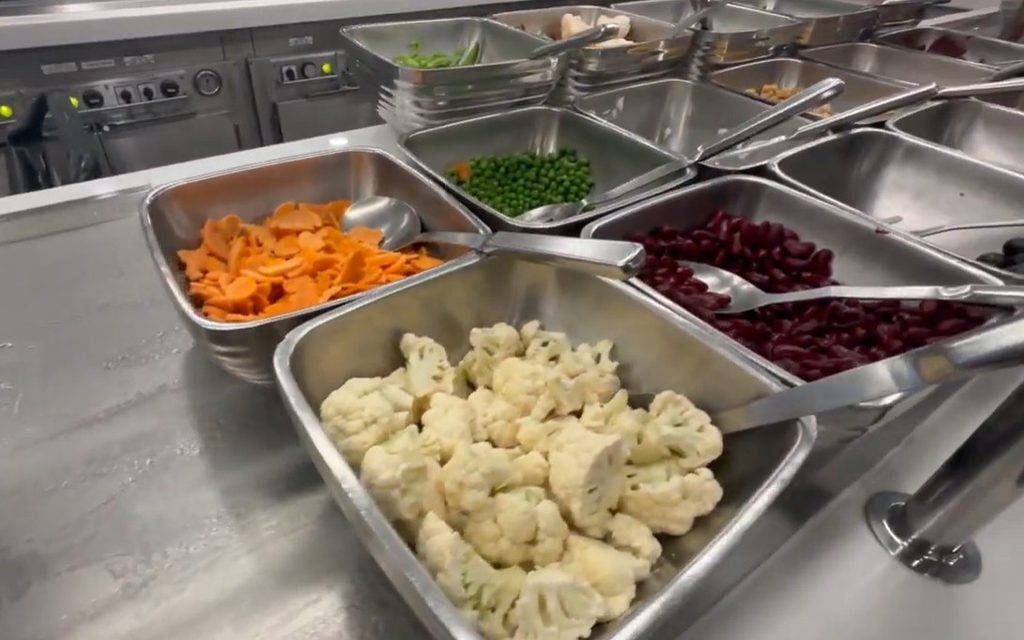
Before your ship welcomes passengers, an enormous supply operation takes place. Fresh produce, frozen meats, seafood, dairy products, baking ingredients, and dry goods are delivered, inspected, and stored.
Ships plan provisions around passenger counts, itinerary length, anticipated demand, and available storage. Some ingredients may also be replenished at ports along the way.
What this means for you: A popular item can occasionally become unavailable. If something on the menu really interests you, don’t automatically assume it will be offered throughout the sailing.
2. Much of Your Dinner Is Prepared Before You Order
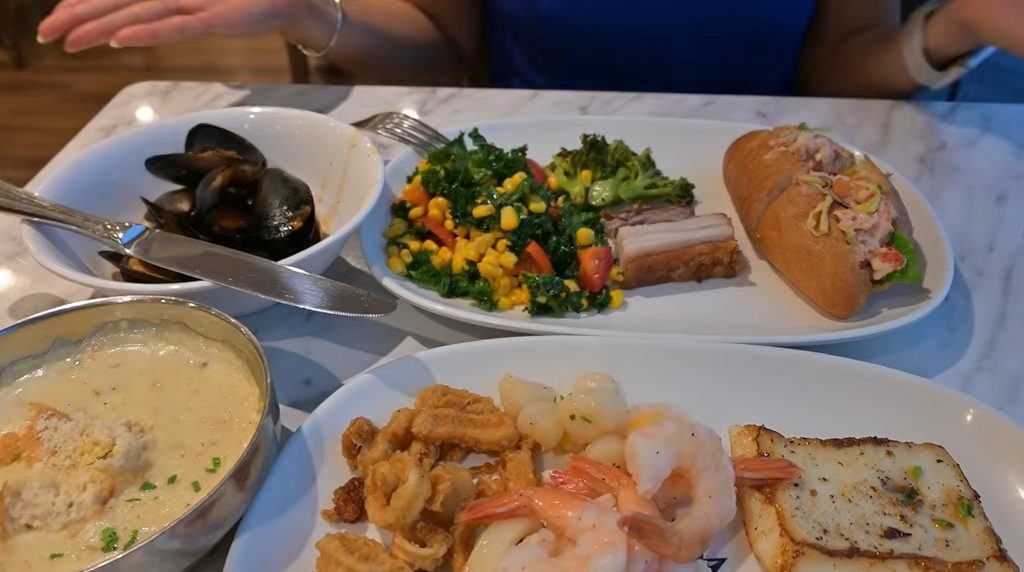
One of the more surprising cruise ship food facts is how much preparation happens before dinner service.
Cruise kitchens operate on a massive scale. Vegetables are chopped, sauces prepared, desserts assembled, and other components readied in advance.
Final cooking and plating happen according to each dish’s requirements. That doesn’t automatically mean the food is lower quality.
However, a restaurant serving hundreds of meals cannot operate exactly like a small neighborhood kitchen.
3. Buffet Food Can Be Better When You Time It Right
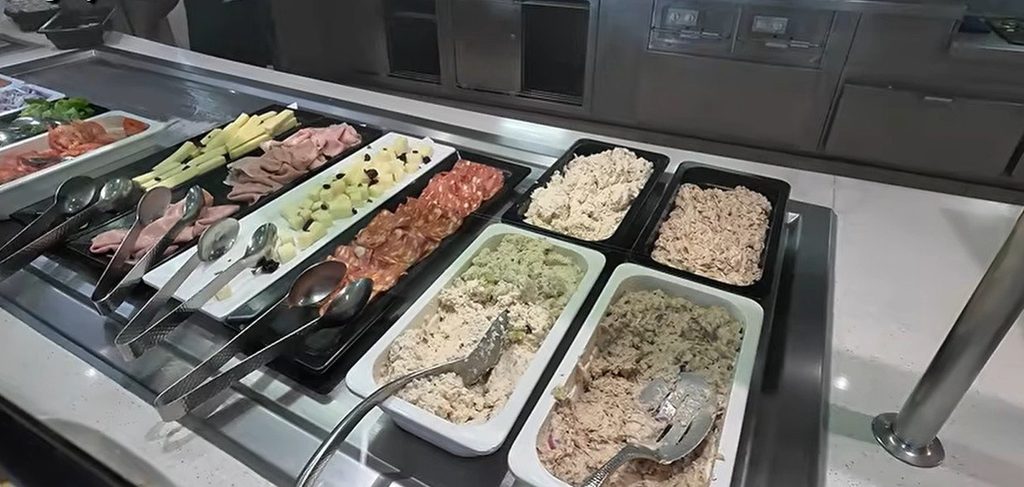
Cruise buffets get a bad reputation, but I think timing causes some of the disappointment.
Arrive during the busiest breakfast rush and you may encounter crowded stations, long lines, and limited seating.
Visit during a quieter period and the entire experience can feel different. My advice is to look for stations with food being actively prepared or replenished.
Fresh turnover can improve the experience, although it doesn’t guarantee food quality or safety.
4. Most Cruise Meals Are Included, But Not Every Food Item Is Free
This is probably one of the most important cruise ship food facts for budget-conscious travelers.
Most mainstream cruise lines include substantial dining options in the base fare. However, specialty restaurants, premium menu items, certain snacks, and room-service deliveries may cost extra.
| Dining option | Usually included? |
|---|---|
| Main dining room | Yes, with exceptions |
| Main buffet | Yes |
| Selected casual venues | Yes |
| Specialty restaurants | Usually extra |
| Room service | Depends on line and order |
| Premium coffees and alcoholic drinks | Usually extra |
You can have an excellent food experience without purchasing a specialty dining package.
5. Specialty Dining Is Often About the Experience, Not Just the Food
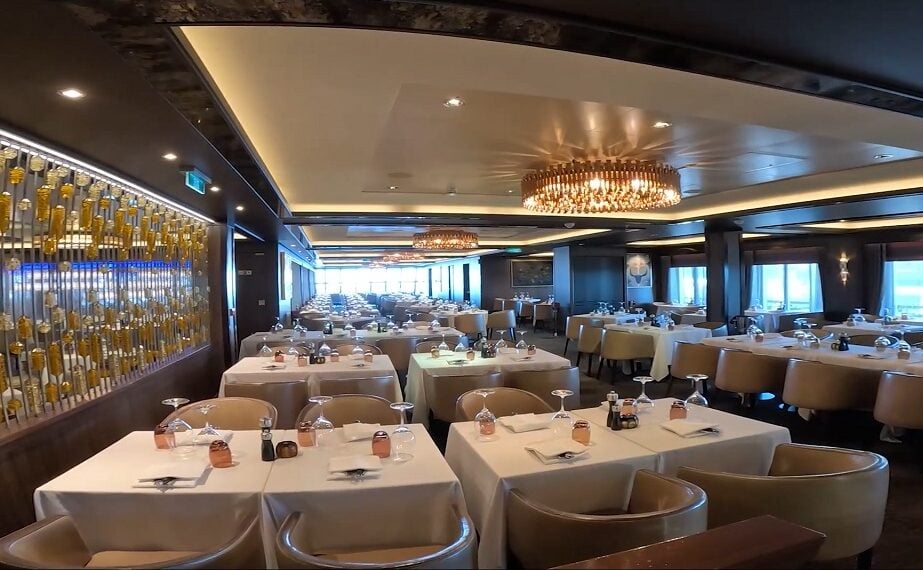
People sometimes assume that paying more guarantees a better meal. I disagree.
Specialty restaurants often offer smaller dining rooms, more focused menus, different service styles, or a special atmosphere. Those features can be worth paying for.
But a steakhouse isn’t automatically better than a complimentary restaurant just because it charges extra.
Among all these cruise ship food facts, this is one worth remembering: Pay for a dining experience you genuinely want, not simply because it’s labeled premium.
6. You Can Often Order More Than One Dish
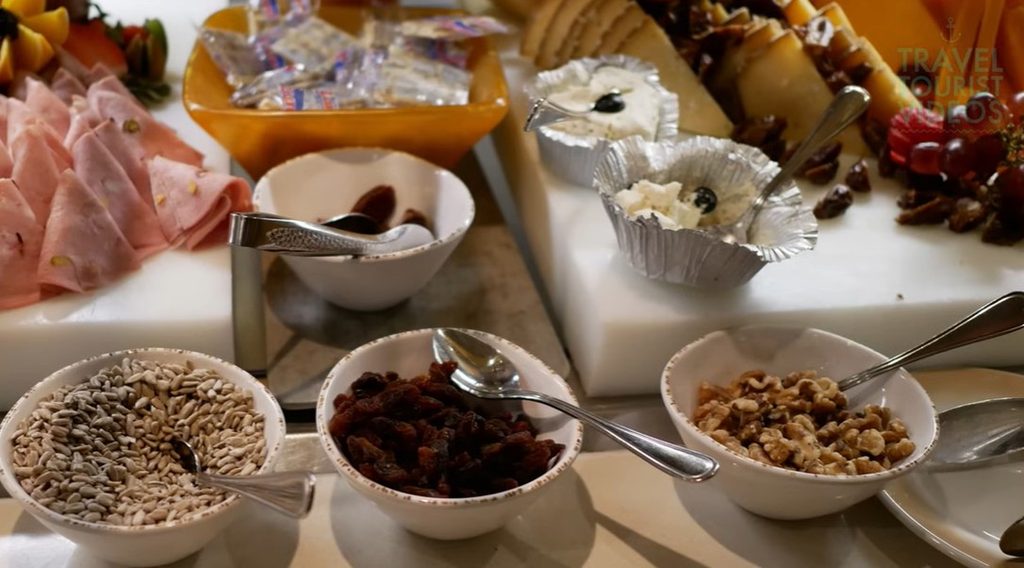
Main dining rooms are generally more flexible than traditional land-based restaurants.
Want two appetizers? That is commonly allowed. Can’t decide between desserts? You may be able to order both.
Some cruise lines also allow additional entrées, although limits or extra charges may apply. Policies vary by cruise line, ship, and menu. My advice is to try something new without ordering excessive food just because you can.
If you’re sailing Royal Caribbean, my Royal Caribbean main dining room experience guide explains what to expect.
7. The Best Food May Come From the Smallest Restaurant
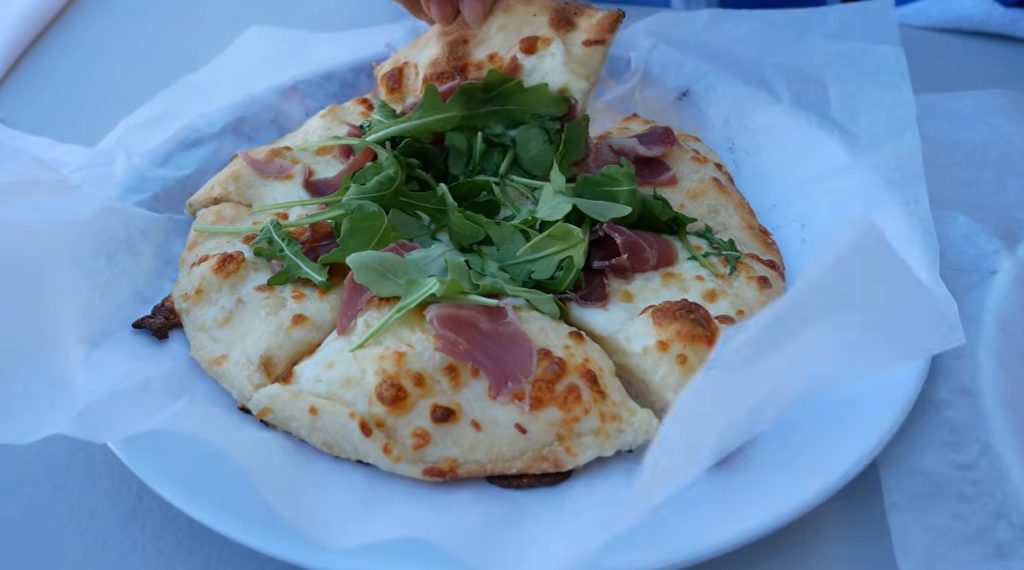
You don’t need an elaborate dining room to get a satisfying cruise meal. Smaller food venues frequently specialize in just a handful of items.
Pizza, sandwiches, burgers, tacos, and freshly prepared snacks can be surprisingly enjoyable. A focused menu can also make it easier for a venue to execute dishes consistently.
That’s why I suggest exploring the ship instead of automatically treating the main dining room as your best option every evening. Sometimes convenience and consistency beat presentation.
8. Cruise Ship Food Waste Is Managed Behind the Scenes
Another interesting addition to our cruise ship food facts is what happens to food that isn’t eaten. Cruise kitchens must forecast demand while avoiding unnecessary waste.
Depending on the operator, waste-reduction efforts can include production planning, measuring discarded food, and adjusting how much gets prepared.
Ships also use waste-handling systems appropriate to their equipment and applicable regulations. Importantly, food discarded from a passenger’s plate isn’t simply served to another guest.
The takeaway: Take manageable buffet portions and return for more if you’re still hungry.
9. Crew Members Generally Have Separate Dining Facilities
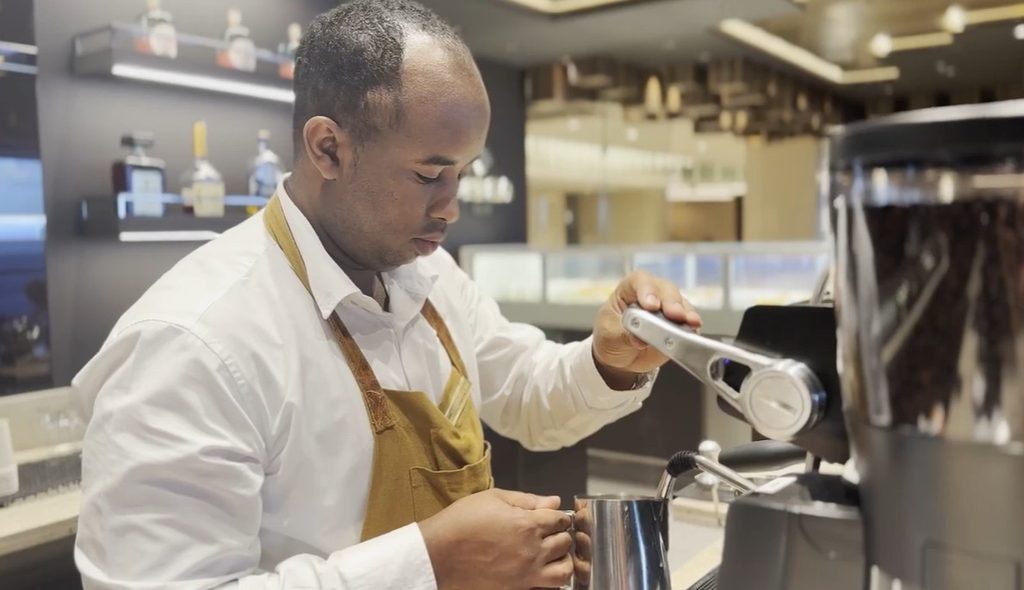
Passengers aren’t the only people who need feeding. Cruise crew members typically eat in designated crew dining spaces, with meals designed around work schedules and a multinational workforce.
Menus may feature different international cuisines than those served to passengers. Crew dining is primarily about practicality, nutrition, and accommodating different tastes.
It also explains why passenger restaurant menus don’t necessarily reflect everything being cooked onboard. The operation is much bigger than what guests see.
10. Food Safety Is More Complicated Than Keeping the Buffet Clean
Cruise ship food safety involves far more than disinfecting tables. Food storage temperatures, preparation practices, dishwashing systems, staff hygiene, and equipment maintenance all matter.
Ships within the jurisdiction of the U.S. Vessel Sanitation Program are subject to public health inspections.
Passengers also play a role. Wash your hands thoroughly before eating, especially when using shared buffet utensils. Even good sanitation procedures cannot eliminate every illness risk.
11. The Biggest Dining Surprise Might Be How Much Timing Matters
One of my favorite cruise ship food facts is that the same restaurant can feel completely different depending on when you visit.
Peak breakfast hours can be hectic. Popular dinner periods may feel rushed. Sea days often generate different dining patterns than port days. Before buying a specialty dining package, consider when you’ll actually want to eat.
If you’re exhausted after an excursion, a quick included dinner might sound much better than a lengthy reservation. Plan your meals around your vacation, not the other way around.
12. Food Allergies Require Planning Before You Board
Most major cruise lines have procedures for handling dietary requests, including food allergies and certain medical diets. However, accommodation is not automatic or identical everywhere.
Contact your cruise line before sailing, follow its notification requirements, and speak directly with dining staff onboard.
For serious allergies, ask specifically about ingredients, preparation methods, and cross-contact. Buffet labels alone may not provide enough information.
The smartest approach is to confirm what can safely be accommodated rather than assuming every venue can prepare the same dishes.
13. Unlimited Food Doesn’t Mean Unlimited Beverages

This is where some first-time cruisers get caught off guard. While many meals are included, beverage packages are generally separate purchases.
Basic water, brewed coffee, tea, and selected drinks may be complimentary, depending on the cruise line.
Specialty coffees, sodas, alcoholic drinks, and bottled beverages can generate additional charges. Before paying for a package, estimate what you’ll realistically consume.
For Royal Caribbean specifically, my Royal Caribbean drink package worth it guide walks through that decision.
14. Bigger Ships Don’t Automatically Have Better Food

One of the most useful cruise ship food facts is also one of the easiest to overlook.
A newer mega-ship may offer dozens of dining choices, but more restaurants don’t guarantee better meals.
An older ship with fewer venues may provide a simpler, more convenient dining experience. The difference is particularly important on short cruises.
If you only have three or four nights, you probably don’t need endless restaurant choices.
A few dependable favorites can deliver better value than a huge selection you barely use.
15. The Best Dining Upgrade May Be Just One Special Meal
You don’t have to choose between eating only complimentary food and purchasing a full specialty dining package. There is a middle ground.
Book one restaurant that genuinely excites you, then enjoy included options for your remaining meals. This strategy works particularly well for couples looking for a date night and families trying to control vacation spending.
Dining packages can make sense when you expect to use them frequently, but they’re not automatically the better deal.
Which Cruise Dining Strategy Is Best for You?
These cruise ship food facts are most useful when applied to the kind of vacation you’re planning.
| Traveler type | My recommendation |
|---|---|
| Budget cruisers | Prioritize included dining |
| Couples | Consider one specialty dinner |
| Families | Favor flexible, convenient venues |
| Food enthusiasts | Research individual restaurants |
| Travelers with allergies | Arrange dining needs in advance |
The right approach depends on how important food is to your overall cruise experience.
FAQs About Cruise Ship Food Facts
Is all food free on a cruise ship?
No. Most mainstream cruises include main dining rooms, buffets, and selected casual restaurants. Specialty venues and some premium items cost extra.
Can you eat as much as you want on a cruise?
Generally, you can enjoy multiple meals and repeat visits to complimentary venues. Individual menu restrictions and additional-entrée charges may apply.
Is cruise ship buffet food safe?
Cruise buffets follow applicable food-handling procedures, but no dining environment is risk-free. Wash your hands and observe sensible food-safety practices.
Is cruise ship food prepared fresh?
Many dishes involve advance preparation, while others are cooked or finished closer to service. The process depends on the restaurant and meal.
Is specialty dining worth paying for?
It can be, particularly for a memorable date night or a cuisine you love. Budget-focused travelers can often skip it without feeling deprived.
Can you take food from a cruise ship into port?
Fresh foods may be restricted by local customs and agricultural regulations. Check the rules for each destination rather than assuming onboard food can go ashore.
Can cruise ships accommodate vegetarian and vegan diets?
Many can, although variety and preparation arrangements differ. Review available options and notify the cruise line ahead of time when necessary.
Does food quality change between sailings?
Yes. Ingredient availability, passenger demand, menus, preparation, and service can all vary. A great meal on one sailing doesn’t guarantee the same experience every time.
Jim’s Take

After more than 20 cruises, mostly with Royal Caribbean, I’ve become pretty selective about where I spend extra money on food.
My wife Britini and I especially enjoy Izumi on Liberty of the Seas. We’ve returned to its hibachi experience multiple times because, for us, it delivers something meaningfully different from the complimentary dining options.
But that doesn’t mean we want to pay extra for every meal.
We also appreciate simple, convenient food when it fits the moment. A satisfying slice of pizza or a relaxed buffet breakfast can be exactly what we need.
You can see how I approach that decision in my Liberty of the Seas restaurants ranked guide.
My view is that these cruise ship food facts point to one bigger lesson: Great cruise dining is about choosing the right meals, not eating at the most expensive restaurants.
If food is a major part of your vacation, spend selectively. If you’re primarily cruising for relaxation, destinations, and family time, don’t feel pressured to upgrade.
Final Recommendation
Check cruise sanitation and inspection information if food safety is a concern, then focus on choosing the dining options that best fit your budget and travel style.
The most valuable cruise ship food facts aren’t just the surprising details about giant kitchens and endless buffets. They’re the ones that help you make better decisions.
I recommend starting with complimentary restaurants, finding a few dependable favorites, and adding specialty dining only when it offers something you genuinely value.
You don’t need to eat everything onboard to have an amazing cruise food experience. You just need to know what’s worth eating.