Cruise ports that get canceled the most are usually not the ports with the prettiest brochure photos, they are the ports with the toughest tender conditions, the most exposed approaches, or the biggest security wildcard.
This guide is for U.S. cruisers who want to know which ports are canceled often enough that they should never be the only reason to book a sailing.
If your itinerary includes one of these ports, I would not panic. I would just treat it as a high-value bonus stop, not a locked-in promise.
Table of Contents
Quick Verdict
| Best mindset | Why it matters | What to do |
|---|---|---|
| Hope for it, do not count on it | Some ports are skipped far more often for weather, tender safety, or security reasons | Do not build your whole cruise around one fragile stop |
| Book the itinerary for the overall mix | Replacement ports and sea days happen | Make sure you still like the ship and the rest of the itinerary |
| Protect the high-risk ports emotionally | The most beautiful or unique ports are often the easiest to lose | Keep excursions flexible and expectations realistic |
What Makes Some Cruise Ports Easier To Cancel Than Others
Most missed ports fall into one of three buckets.
The first is tender ports with exposed water. If the sea is choppy, the issue is not whether the ship can get there. The issue is whether guests can be moved safely between ship and shore.
The second is ports with tricky wind or swell conditions. Even a docked port can become a problem if crosswinds, current, or surge make maneuvering unsafe.
The third is ports affected by security or political instability. These are different from weather ports because the cancellation risk can change fast and stay elevated for a long time.
That is exactly why some stops look amazing on paper but should never be treated as guaranteed.
9 Cruise Ports That Get Canceled the Most
1. Labadee, Haiti
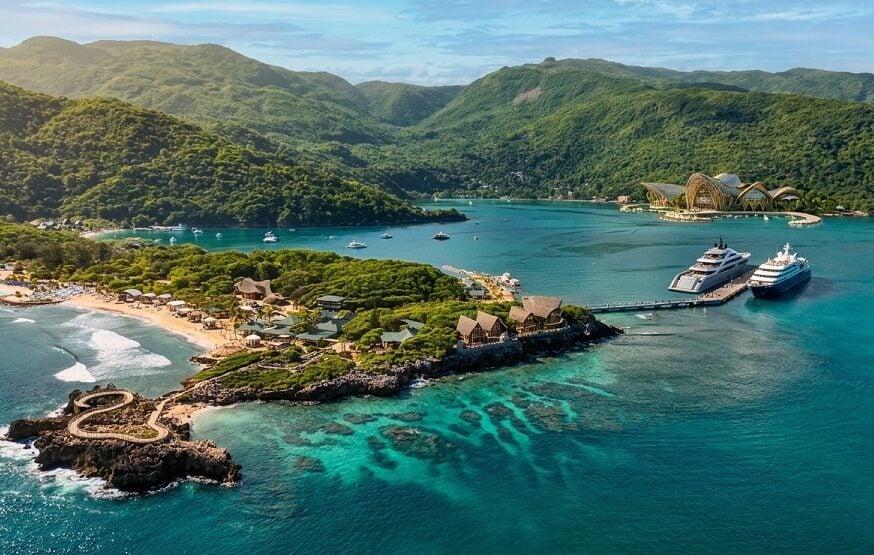
Labadee is the clearest example of a port that can disappear from an itinerary for reasons that have nothing to do with your ship or the weather that day.
For U.S. cruisers, Haiti stands out because it is close to Florida, appears on easy Caribbean itineraries, and can look like a simple beach stop on paper. In reality, it carries more uncertainty than the average private destination.
Even though Labadee is a controlled cruise destination rather than a typical city port, itinerary changes can still happen when the broader situation in Haiti deteriorates. This is not a port I would ever treat as the main reason to book a cruise right now.
What matters most about Labadee
- The risk is more about regional security than normal port mechanics
- Changes can happen well before sailing or close to departure
- Replacement ports are often more realistic here than a wait-it-out approach
- The itinerary can still be good, but Labadee should be viewed as a bonus, not a certainty
Best for
Cruisers who like the overall ship and itinerary even if Haiti is swapped out.
Skip if
You are booking primarily for Labadee and would feel like the cruise is ruined without it.
2. George Town, Grand Cayman
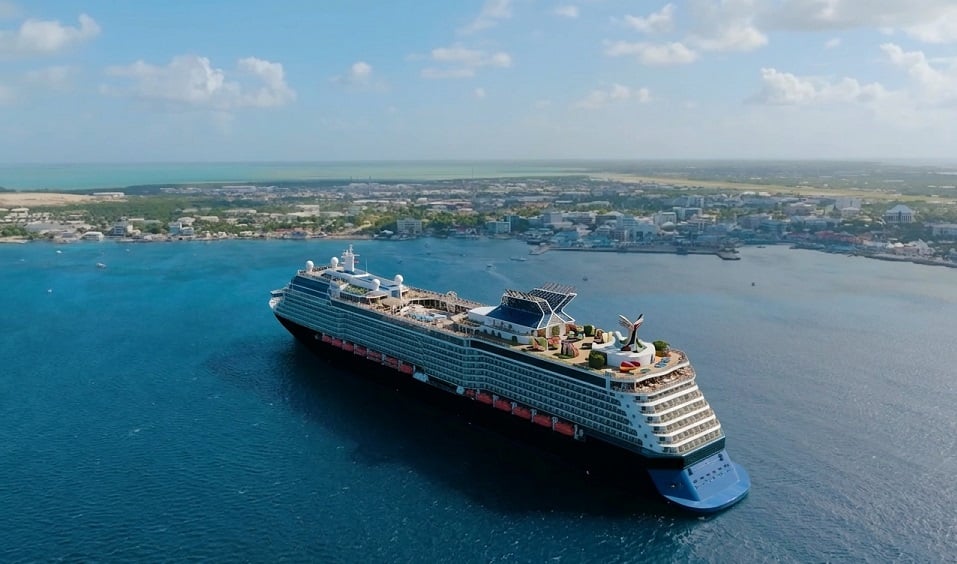
George Town is one of the classic examples of a cruise stop that looks routine but gets missed more often than many first-time cruisers expect.
The issue is simple, it is a tender port, and tender ports become fragile when wind and swell are not cooperating. Even when the morning looks manageable, conditions can change enough that cruise lines take the safer option and skip the stop entirely.
For U.S. travelers on Western Caribbean itineraries, this matters because Grand Cayman is often one of the headline ports. If you booked mainly for Seven Mile Beach, stingray tours, or a premium beach day, this is one to emotionally downgrade from must happen to hopefully happens.
What usually makes Grand Cayman vulnerable
- Tender operations can become unsafe fast
- The cruise line has to think about both getting guests ashore and getting them back
- The stop is popular enough that disappointment is usually high when it gets cut
Best for
Cruisers who want a strong overall Western Caribbean sailing, not just one marquee beach stop.
Skip if
You are choosing between two similar itineraries and Grand Cayman is the only reason one wins.
3. Bimini, Bahamas
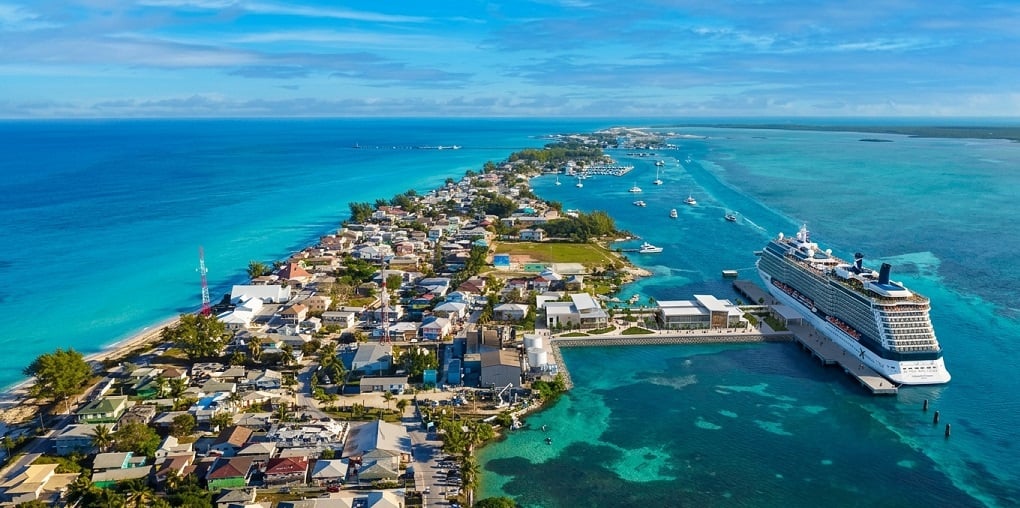
Bimini can be fantastic on the right day, but it is another stop U.S. cruisers should treat with a little caution.
The bigger reason is not that it is always unreliable… it is that short Bahamas sailings create the illusion that every stop is easy. They are not. Wind and sea conditions around the Bahamas can still change the day, especially on quick itineraries where there is not much room to adjust timing.
Bimini matters more than people realize because it often shows up on short cruises where every port day carries extra weight. Losing one stop on a three- or four-night cruise feels a lot bigger than losing one stop on a seven-night sailing.
Worth it if
You already like the ship, the price, and the short-cruise format.
Skip it if
You are picking that sailing because you think Bimini is a sure thing.
4. Cruise Line Private Islands In The Bahamas
This includes the private island and private beach destinations that U.S.-based cruisers see all the time on Bahamas and short Caribbean sailings.
These stops are often better controlled than regular ports, and some have excellent pier infrastructure. But they still are not immune to wind, surge, or itinerary changes during stormier periods.
The tricky part is psychological. People see a cruise line private destination and assume it should be the easiest stop to keep. Sometimes that is true. But when weather or routing becomes an issue, these stops can still be dropped, shortened, or replaced.
What makes these ports different
- Cruise lines really want to keep them when possible
- They still can be affected by weather and seasonal storm patterns
- They tend to matter more on short sailings because they are often the emotional centerpiece
A good related next step here would be Perfect Day at CocoCay if you want a dedicated guide for planning around one of the biggest private-island stops.
5. Cozumel, Mexico
Cozumel is more reliable than most ports on this list, but I am including it for a different reason, it is one of the ports U.S. cruisers notice most when things go wrong.
This is not usually a cancellation-first port the way Grand Cayman is. The bigger issue is congestion, itinerary reshuffling, weather, and operational changes that can alter the experience even when the ship still calls there.
For U.S. travelers, Cozumel shows up everywhere. That means any delay, pier switch, shortened day, or port swap becomes more visible simply because so many people cruise there.
My view on Cozumel
I would not call Cozumel fragile in the same way as a classic tender port. But I would call it a port where cruisers should stay flexible because traffic, weather, and itinerary changes can affect the day more than people expect.
6. Costa Maya, Mexico
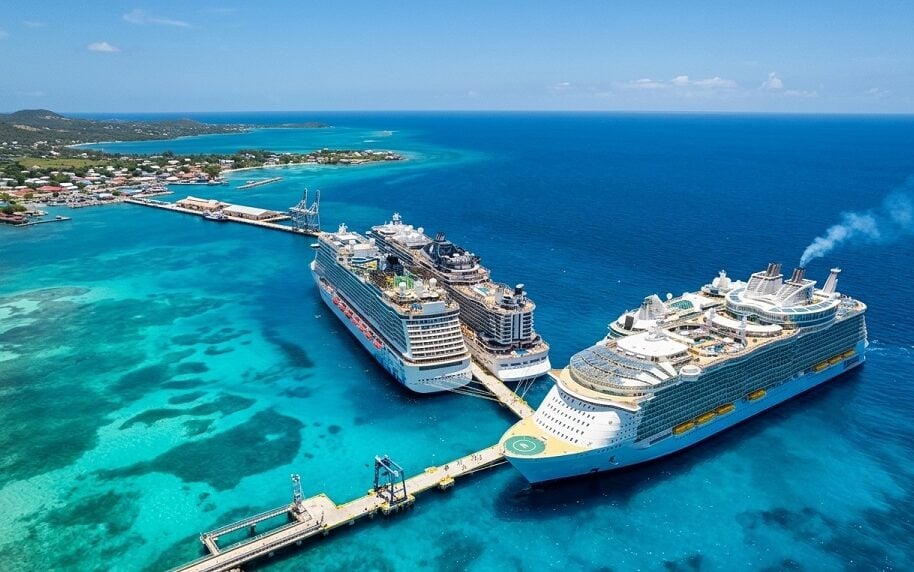
Costa Maya is another Western Caribbean staple for U.S. travelers, and it can be excellent for beach clubs, low-effort pool days, and excursions further afield. But it is also one of those ports where wind and operational issues can create changes more often than new cruisers realize.
This is not a port I would call high-risk in the same tier as Haiti or an exposed tender stop. It is more of a do not over-romanticize it port. If your cruise includes Costa Maya, great. Just do not build your whole booking decision around it.
Best for
Cruisers who like easy Caribbean port days and would be fine with a swap or extra sea time.
Skip if
You are choosing the sailing mainly for one Costa Maya excursion that feels non-negotiable.
7. Belize City, Belize
Belize City is another important U.S.-market example because it is a tender port on many itineraries, and that always increases cancellation risk compared with a straightforward docking day.
Tender ports add more moving parts. It is not just about arriving. It is about keeping the full round-trip operation safe for thousands of guests over several hours.
That makes Belize City one of those ports where the excursion may look exciting, but the port itself deserves a little mental caution.
What to expect with Belize City
- A longer, more involved shore day than a simple dock-and-walk port
- More sensitivity to sea conditions than many first-timers expect
- A bigger chance that the stop feels uncertain until much closer to arrival
8. Key West, Florida
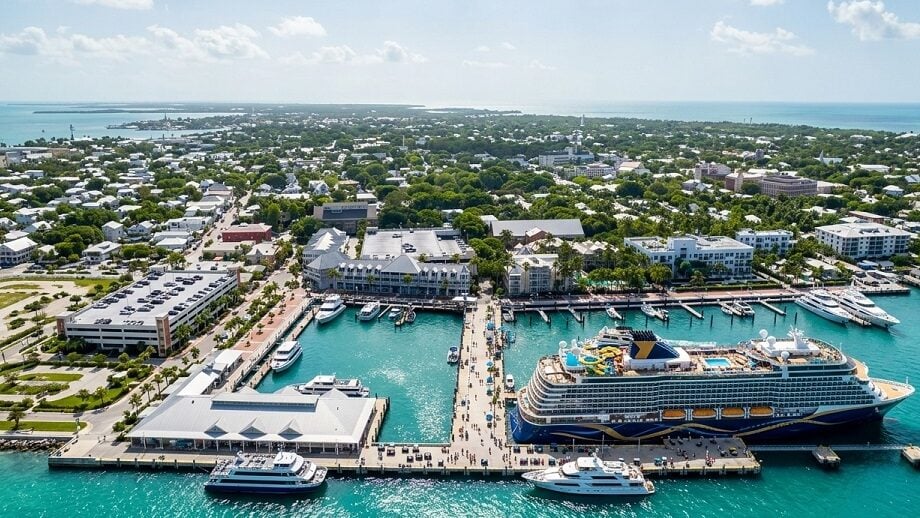
Key West is a different type of example. It is not usually on the list because it is physically hard to reach. It matters because U.S. cruisers often assume a domestic port should be extra stable, when in reality scheduling, local restrictions, operational changes, and itinerary decisions can all affect whether it stays in place.
That makes Key West a useful reminder, domestic does not always mean dependable.
If I were choosing between two near-identical sailings and one included Key West, I would treat it as a nice bonus rather than the deciding factor.
9. Bermuda On Shorter Sailings Or Shoulder-Season Itineraries
Bermuda is one of the most frustrating near-U.S. examples because it can be the entire point of the cruise.
When a Bermuda sailing works, it really works. But weather and timing matter, especially on sailings where there is less buffer built into the schedule. The disappointment factor is high because Bermuda itineraries are often destination-driven rather than ship-driven.
This is not me saying Bermuda is a bad idea. It is me saying that if you are booking Bermuda, you should love the ship too.
Who should book it
Cruisers who genuinely want the ship-and-destination combo.
Who should skip it
Anyone who would feel like a single port disruption makes the whole trip poor value.
The Big Mistake U.S. Cruisers Make With Fragile Ports
The most common mistake is not booking these ports. The real mistake is booking them for the wrong reason.
If you choose a cruise mainly because one vulnerable stop looks amazing in the brochure, you are setting yourself up for a rough disappointment. If you choose the cruise because the ship, price, timing, and overall itinerary all make sense, then a missed port is frustrating, but it is not trip-breaking.
A helpful related read here would be Royal Caribbean ships by size or Royal Caribbean ship classes if you are trying to choose a ship you would still enjoy on an extra sea day.
What To Do If Your Itinerary Includes One Of These Ports
1. Book the ship, not just the stop
This is the biggest protection against disappointment. On a fragile-port itinerary, the ship needs to be part of the value proposition.
2. Do not pre-build the entire trip around one excursion
That is especially true for Grand Cayman, Belize City, Bermuda, and any Haiti stop.
3. Keep your expectations different on short cruises
A missed stop hits harder on a three- or four-night sailing.
4. Watch for tender ports
Tendering is one of the clearest warning signs that a port is less dependable than it looks.
5. Be extra cautious with politically sensitive destinations
Weather can ruin a port day. Security issues can wipe out a port for months.
FAQs About cruise ports that get canceled the most
Is Haiti the most unpredictable cruise stop for U.S. travelers right now?
It is one of the clearest examples because cancellations can happen for security reasons, not just normal weather or port conditions.
Are tender ports more likely to be missed than docking ports?
Usually, yes. Tender operations add another safety layer, which makes ports more vulnerable to wind and swell.
Is Grand Cayman still worth booking?
Yes, as long as you want the full itinerary and not just that one stop.
Are private islands more reliable than regular ports?
Often, but not always. Better control does not eliminate weather risk.
Should I avoid Bermuda cruises because of cancellations?
Not necessarily. Just make sure you also like the ship and would still enjoy the sailing if conditions affect the schedule.
Do short cruises make missed ports feel worse?
Absolutely. Losing one stop on a short sailing changes the trip more dramatically.
Is a domestic stop like Key West automatically safer from itinerary changes?
No. Domestic ports can still be affected by scheduling, local restrictions, and cruise line operational decisions.
Should I book shore excursions independently at fragile ports?
Be careful. On ports with higher cancellation risk, flexibility matters a lot.
Are Western Caribbean itineraries riskier than Eastern Caribbean itineraries?
Not across the board. The bigger issue is usually the specific port setup, especially whether the stop is tendered or unusually exposed.
What is the safest way to think about vulnerable ports?
Treat them as a bonus feature, not the whole reason to book.
Jim’s Take on cruise ports that get canceled the most

My view on cruise ports that get canceled the most is simple, the problem is usually not the port itself. The problem is when cruisers treat a fragile port like a guarantee.
If it were me, I would still book Grand Cayman, Bermuda, Belize City, or even a Haiti-linked itinerary in the right situation. I just would not book any of them unless I also liked the ship, the pricing, and the rest of the route.
That is the difference between a manageable itinerary change and a cruise that suddenly feels like a bad buy.
Final Recommendation
Some ports are just inherently less dependable than others, and U.S. cruisers are more likely to run into that on Bahamas, Western Caribbean, Bermuda, and Haiti-linked itineraries than they expect.
That does not mean you should avoid these cruises. It means you should book them the smart way.
Choose the sailing for the full experience, not one fragile stop. And when a port like Labadee, Grand Cayman, Belize City, or Bermuda is on the schedule, think of it as a great possible win, not a promise.
For readers still comparing options, Royal Caribbean ships by age can help if you are deciding whether an older, cheaper ship is still worth it when itinerary risk is part of the equation.
Pro tip: Before booking any itinerary with fragile ports, it’s worth checking the latest official travel advisories to understand real-time risks. If you prefer more predictable itineraries, it’s worth looking at major U.S. cruise hub like PortMiami where infrastructure, traffic volume, and routing flexibility make cancellations far less common compared to more exposed or tender-based ports.