Cruise mistakes before boarding can wreck your trip before you ever step onto the ship.
My view is simple; the smoothest cruises usually start with boring decisions made correctly. Flights, passports, check-in timing, carry-on packing, and document backups are not the glamorous part of the vacation, but they are the part that decides whether embarkation day feels easy or chaotic.
Table of Contents
Quick Verdict
If it were me, I would focus on these five things first:
- Fly in the day before
- Keep passports and medications in your carry-on
- Print physical copies of key documents
- Honor your check-in time exactly
- Pack a real embarkation-day bag, not a random tote
What I would not do is trust same-day flights, rely only on my phone, or assume I can fix a passport, luggage, or check-in mistake once I am already at the terminal.
That is where a lot of cruise disaster starts.
The Real Mistake Most People Make
The biggest mistake people make is treating the cruise like it starts at the port.
It does not. The cruise starts with the planning. If your flights are risky, your passport is buried in checked luggage, your phone battery is dying, and your carry-on is missing the basics, the trip is already off course before the gangway even comes into view.
A non-obvious truth here is that embarkation day usually goes well when the decisions were made weeks earlier. The cruisers who seem calm at the terminal are usually not lucky. They just handled the unglamorous details before travel day.
Quick Cruise Planning Checklist
| If you are… | Do this now | Skip this |
|---|---|---|
| Flying in | Book a hotel for the night before | Same-day flights |
| Handling documents | Print physical copies of everything important | Relying only on your phone |
| Packing | Keep meds and documents in your carry-on | Putting essentials in checked bags |
| Doing digital prep | Set up the app and uploads at home | Waiting for terminal Wi-Fi |
Inside My Embarkation Bag
These are the five things I would never board without:
- a physical folder with printed boarding passes and passport copies
- a cruise-approved non-surge power cube
- motion-sickness medication and daily prescriptions
- a light sweater for the ship’s cold indoor spaces
- small bills for porters and shuttle drivers
Your embarkation bag should be a first-day survival kit, not an afterthought.
15 Cruise Mistakes Before Boarding That Can Ruin Your Trip

1. Flying in the Day of Departure
Why it is a problem: This is still the biggest pre-cruise mistake because once your flight goes sideways, the whole trip can go with it.
Extra considerations: Airlines delay and cancel flights constantly. Cruise ships do not wait for late commercial arrivals. If you miss embarkation, “catching up later” is often harder than people think.
Better alternative: Always fly in at least one day early. My view is that the hotel night before the cruise is not wasted money. It is trip protection.
2. Putting Passports in Checked Luggage
Why it is a problem: Once you hand bags to the porters, they are gone for hours. If your passport is inside, you have created a problem you cannot solve quickly.
Extra considerations: No passport or required identification at the terminal usually means no boarding. It is that simple.
Better alternative: Keep passports, boarding documents, and critical IDs in the bag that stays on your shoulder from home to cabin.
3. Relying Entirely on Digital Documents
Why it is a problem: Phones die. Apps log out. Screens crack. Terminal Wi-Fi can be awful. That is a bad time to realize you made your whole travel plan dependent on one battery.
Extra considerations: Concrete terminals, crowded networks, and travel-day stress are not a great combination.
Better alternative: Bring printed copies of boarding passes, insurance details, and key reservation info. Paper backup is still one of the smartest travel habits you can have.
4. Skipping Travel Insurance
Why it is a problem: People skip insurance to save money, then act shocked when a missed connection, illness, or cancellation becomes a four-figure problem.
Extra considerations: Cruise travel adds layers of risk because you are tying flights, port timing, and maritime schedules together.
Better alternative: Buy a solid policy that includes missed connections, trip interruption, and medical coverage that actually fits cruise travel.
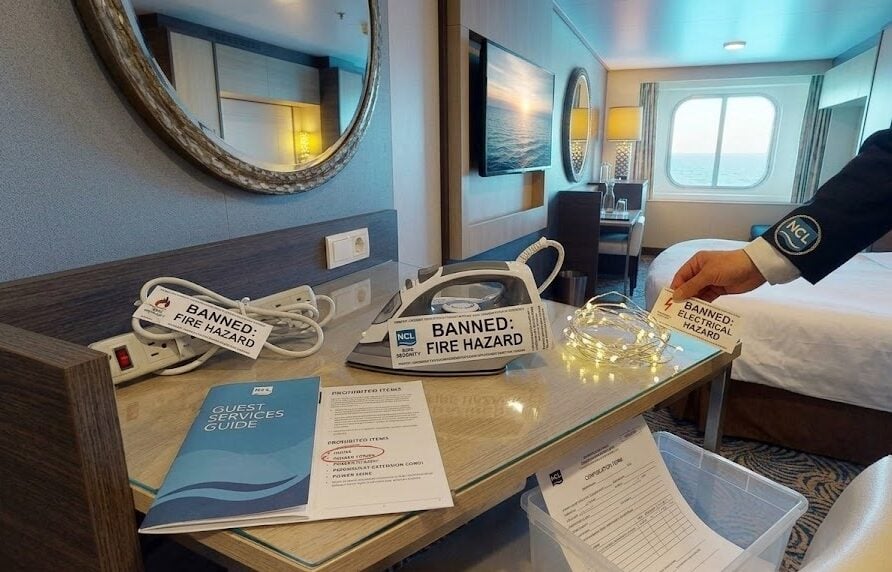
5. Packing Banned Items
Why it is a problem: Prohibited items can get your luggage flagged, delayed, or sent to the security holding area before you ever settle into the ship.
Extra considerations: Travel irons, steamers, and standard surge protectors are classic mistakes. Cruise electrical systems are not the same as a normal hotel room.
Better alternative: Stick to cruise-approved non-surge power cubes and leave heating-element items at home.
6. Missing Your Check-In Window
Why it is a problem: Cruise lines are stricter than many people expect about terminal flow and arrival times.
Extra considerations: Showing up too early can leave you standing around in the heat. Showing up too late is much worse.
Better alternative: Treat your assigned arrival slot like an airport boarding time. I would aim to be there on time, not wildly early and definitely not late.
7. Not Booking Shore Excursions Early
Why it is a problem: The best excursions are often gone long before embarkation day, especially on high-demand itineraries.
Extra considerations: Waiting until you board often means you are choosing from leftovers, not from the best options.
Better alternative: Pre-book the one or two port experiences that would genuinely disappoint you if they sold out. This matters especially for stops like Perfect Day at CocoCay.
8. Forgetting to Download and Set Up the Cruise App
Why it is a problem: A lot of modern cruising now runs through the app, from check-in to schedules to onboard planning.
Extra considerations: Trying to do that setup on crowded terminal Wi-Fi is exactly the kind of stress I would avoid.
Better alternative: Download it, log in, upload what is needed, and make sure you understand it before leaving home.
9. Ignoring the Sweater Rule
Why it is a problem: People pack for the weather outside and forget the ship interior can feel freezing.
Extra considerations: Dining rooms, lounges, and theaters often run much colder than people expect. That makes the first dinner or first show weirdly uncomfortable if you only packed hot-weather clothes.
Better alternative: Keep a light sweater, cardigan, or layer in your carry-on. This is one of the easiest cruise mistakes before boarding to fix.
10. Packing Wine in Checked Bags
Why it is a problem: If your cruise line allows wine, it generally needs to be carried on, not buried in checked luggage.
Extra considerations: A broken bottle in your suitcase is exactly the kind of preventable mess that ruins the start of a trip.
Better alternative: Hand-carry any permitted bottles. Or skip the hassle and sort out your beverage strategy ahead of time with something like Royal Caribbean drink package worth it.
11. Not Checking Passport Expiration Dates Early Enough
Why it is a problem: Many travelers remember the passport, but forget to check whether it is valid long enough.
Extra considerations: Some destinations and travel rules effectively require more validity than people think, and that is not a terminal problem you solve on the spot.
Better alternative: Check expiration dates now, not the week before departure.
12. Skipping the Pre-Cruise Health Questionnaire or Final Online Steps
Why it is a problem: Forgetting these last-minute tasks can slow your terminal process for no good reason.
Extra considerations: The form itself may be quick, but realizing you forgot it while standing in line is exactly the kind of avoidable friction that makes embarkation feel harder than it is.
Better alternative: Set an alarm for the required time window and knock it out immediately.
13. Bringing the Wrong Currency for Port Days
Why it is a problem: The ship may be cashless, but the ports are not all the same.
Extra considerations: Small local shops, taxis, and tips can get awkward fast if you assume every stop works like home.
Better alternative: Bring a little of the right currency when it makes sense and know where card use is realistic versus inconvenient.
14. Not Notifying Your Bank or Watching Your Card Settings
Why it is a problem: Travel spending patterns, onboard holds, and foreign charges can trip fraud systems at the worst possible moment.
Extra considerations: Fixing a frozen card from overseas or at sea is a lot more annoying than people expect.
Better alternative: Check your banking app, verify travel settings, and make sure your primary payment method is ready before the trip.
15. Forgetting a Real Embarkation-Day Bag
Why it is a problem: Your main luggage might not show up until late afternoon or even evening.
Extra considerations: If your swimsuit, medications, chargers, sunscreen, documents, and dinner basics are all in the checked bags, you have made day one harder than it needed to be.
Better alternative: Pack a small bag that covers the first 8 to 12 hours of the cruise. If it were me, that bag would include swimsuits, prescriptions, chargers, valuables, and one light layer.
Deep Dive: Cabin Selection Mistakes Before Boarding
One of the most permanent cruise mistakes before boarding is choosing the wrong cabin location, because once you are on the ship, that decision follows you every day.
Why it is a problem: A room under the pool deck, over a late-night venue, or in a noisy traffic zone can wreck your sleep for the whole sailing.
Extra considerations: Sound travels differently on ships than people expect. “Convenient” can mean noisy. “Cheap” can mean there is a reason it did not sell first. This matters whether you are comparing newer ship layouts in different Royal Caribbean ship classes or looking at older vessels through Royal Caribbean ships by age.
Better alternative: Aim for a quiet midship cabin on a sandwich deck with cabins above and below. My view is that a good room protects your energy for the whole trip.
Best Embarkation Priorities by Traveler Type
| Traveler Type | Top Priority | What to Avoid |
|---|---|---|
| First-time cruisers | Printed documents and early flight planning | Same-day arrival risk |
| Families | A strong embarkation-day carry-on | Burying essentials in checked bags |
| Budget travelers | Insurance and missed-ship protection | Trying to save money on the wrong things |
| Light sleepers | Choosing the right cabin before sailing | Blind GTY or noisy deck locations |
| Short-cruise travelers | A calm first day and clean check-in flow | Turning embarkation into a stress test |
Who This Advice Is Best For
This advice is best for:
- first-time cruisers
- families who need a smoother start
- budget travelers who cannot afford a missed ship or major disruption
- travelers flying into the port city
- anyone who wants embarkation day to feel calm instead of chaotic
The shorter the cruise, the more these pre-boarding mistakes matter, because one bad travel day eats a bigger chunk of the trip.
Who Should Relax About All This a Bit
You can be a little looser with this advice if:
- you are an experienced cruiser with a refined routine
- you live very close to the port
- you already have your packing, documents, and transport system dialed in
Even then, I would still never get casual about passports, flight timing, or medications. Those are the mistakes that can end a trip before it starts.
Jim’s Take

Cruise mistakes before boarding matter because they shape the mood of the whole vacation.
I think a lot of cruisers overfocus on what happens after they board and underfocus on the simple decisions that make boarding easy in the first place. I would much rather have a smooth check-in, a decent lunch, a good cabin setup, and a calm sailaway than spend the first afternoon fixing preventable problems.
If it were me, I would protect the basics first: flights, passports, carry-on setup, and quiet room location. Then I would let the ship open up gradually.
That is also why I think some of the smartest cruise decisions happen before you ever get onboard, whether that is sorting out drinks, planning your first morning coffee, or deciding how much one port stop like Perfect Day at CocoCay should shape the trip.
The cruisers who enjoy embarkation day most are usually the ones who gave the day enough structure to feel easy, but not so much pressure that it turns into a race.
Frequently Asked Questions: Cruise Mistakes Before Boarding
What time should I arrive at the terminal?
Usually, you should arrive at the time listed on your boarding documents, not dramatically earlier and definitely not late.
Can I bring bottled water or soda onboard?
It depends on the cruise line. Some allow limited amounts in carry-ons, while others are stricter, so always check the current policy for your sailing.
Will my cell phone work on the ship?
It may work near port, but once at sea you should be very careful with roaming. Airplane Mode is usually the smart move.
Do I need a passport for a closed-loop cruise?
Sometimes U.S. travelers have alternatives on certain itineraries, but a passport is still the safest and most flexible document to have.
What is the “naughty room”?
It is the security holding area where flagged luggage may end up if prohibited items are found inside.
Should I print my luggage tags?
Yes, I would. Print them at home and attach them after your flight or before heading to the port so they are ready when you arrive.
Final Recommendation
The easiest way to avoid cruise mistakes before boarding is to stop treating embarkation like the start of the trip and start treating the planning itself like part of the cruise.
Handle the flights early. Check the passport now. Print the backups. Build a real carry-on. Keep restricted items out of your luggage. And give yourself the kind of margin that turns travel day from stressful into smooth.
The cruise does not start at the port. It starts with the decisions you make before you leave home.
To ensure you have the most up-to-date information on travel requirements, especially for international ports, I highly recommend checking the Official U.S. Customs and Border Protection (CBP) Cruise Guide. It provides the definitive word on what documentation you actually need to get back home smoothly.