Two Cruise Ships Fail Health Inspections: What CDC Found Onboard

Two cruise ships have failed recent U.S. Centers for Disease Control and Prevention (CDC) sanitation inspections, raising concerns about food safety, onboard cleanliness, and hygiene standards. Princess Cruises’ Emerald Princess received a score of 78, while Ponant’s Le Lyrial scored 83 during inspections conducted on consecutive days in October 2026.
Both vessels failed to meet the CDC’s minimum passing score of 86 under its Vessel Sanitation Program (VSP). Inspectors identified issues ranging from spoiled food and inadequate cleaning equipment to pest-control deficiencies.
The Emerald Princess result is particularly notable because it represents the ship’s first failed cruise ship health inspection in 31 inspections and its lowest recorded score so far in 2026.
Here is what inspectors discovered, how the CDC evaluates cruise ship sanitation, and what passengers should know about these latest inspection results.
Table of Contents
Emerald Princess Fails Cruise Ship Health Inspection With a Score of 78
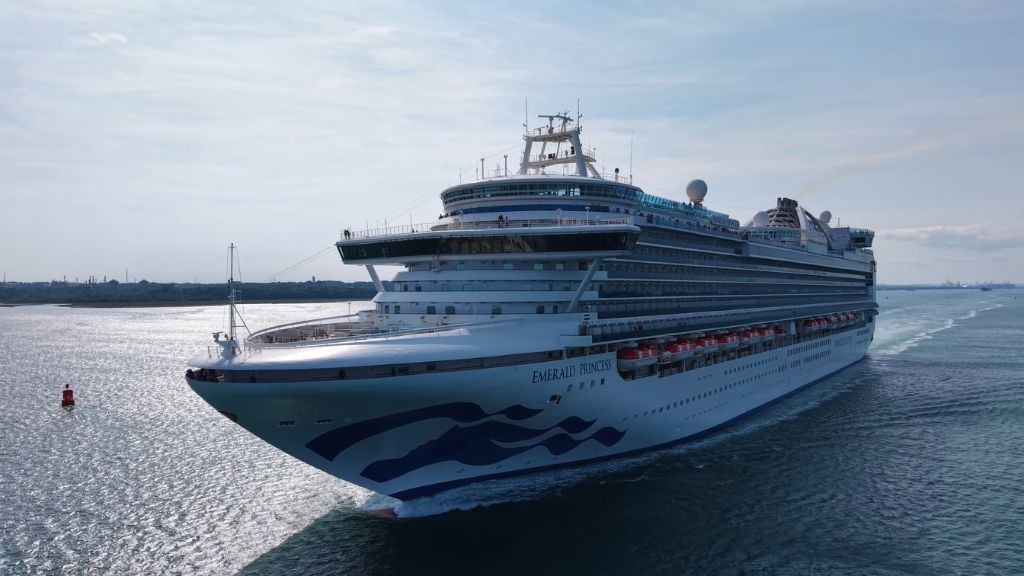
Princess Cruises’ Emerald Princess failed its latest cruise ship health inspection on October 16, 2026, receiving a score of 78 out of 100. The inspection took place in Los Angeles, California, under the CDC’s Vessel Sanitation Program.
Inspectors recorded 39 deficiencies across the vessel, with significant concerns involving food safety and sanitation practices.
Some of the most concerning findings involved food that was not suitable for serving. Inspectors discovered rotten food and items showing visible mold growth in the crew dining area.
Other violations included:
- Spoiled and moldy food: Food that showed signs of spoilage or mold was found available for service in the crew mess.
- Pest-control problems: Inspectors counted 33 live flies in different food preparation and service areas.
- Dirty dishwashing equipment: Excessively soiled warewashing machines affected food-contact and non-food-contact surfaces.
- Improper food cooling: Food cooling procedures and time controls were not properly maintained.
- Incorrect food storage: Some food items were stored under unsuitable conditions.
- Missing temperature equipment: Inspectors identified missing temperature-measuring devices.
- Poor hygiene facilities: Certain hygiene facilities were not adequately maintained.
The inspection report highlighted significant food safety concerns across the vessel.
Despite these findings, this was the first time Emerald Princess had failed a CDC inspection in its history. The ship had previously undergone 31 inspections and achieved a perfect score of 100 on seven occasions.
Its latest score of 78 is the lowest cruise ship health inspection result reported so far in 2026.
If you’re interested in learning more about Emerald Princess, see my guide on Emerald Princess Review and 13 Solid Reasons Why It Still Matters.
Le Lyrial Also Fails CDC Inspection With a Score of 83
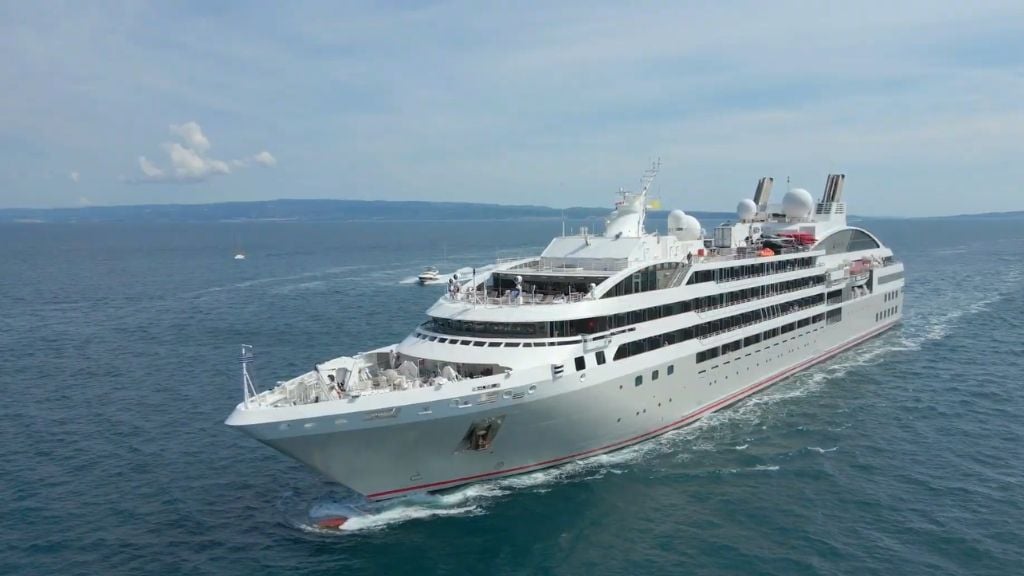
A day after Emerald Princess failed its inspection, another cruise ship received an unsatisfactory result.
Ponant’s Le Lyrial was inspected in New York on October 17, 2026, and received a score of 83 out of 100.
The 264-passenger expedition cruise ship had 27 deficiencies recorded during its first inspection under the CDC’s Vessel Sanitation Program.
One of the main concerns involved food-contact surfaces that were not adequately designed, constructed, or maintained to meet sanitation requirements.
Inspectors also found that rat guards were missing from the vessel’s mooring lines when they arrived. These protective devices were installed approximately an hour after the ship reached New York.
Most of the remaining reported violations involved cleaning supplies and sanitation-related concerns onboard.
Although Le Lyrial scored five points higher than Emerald Princess, its result was still below the CDC’s minimum passing requirement.
What Are the Latest CDC Cruise Ship Health Inspection Results for 2026?
The October inspection results add to the list of cruise ships that have failed CDC sanitation inspections this year.
According to the October 30 report, three cruise ships have failed inspections in 2026.
| Cruise Ship | Inspection Date | Score |
|---|---|---|
| Emerald Princess | October 16, 2026 | 78 |
| Le Lyrial | October 17, 2026 | 83 |
| Norwegian Dawn | May 2026 | Failed |
Emerald Princess currently holds the lowest reported inspection score among these ships.
On the other hand, 43 cruise ships have achieved a perfect score of 100 so far in 2026, according to the reported inspection figures.
Five ships have earned a perfect 100 twice this year:
- Disney Fantasy
- Icon of the Seas
- Koningsdam
- Norwegian Joy
- Norwegian Luna
These results demonstrate that sanitation performance varies across the cruise industry and that inspection scores provide passengers with useful information when comparing ships.
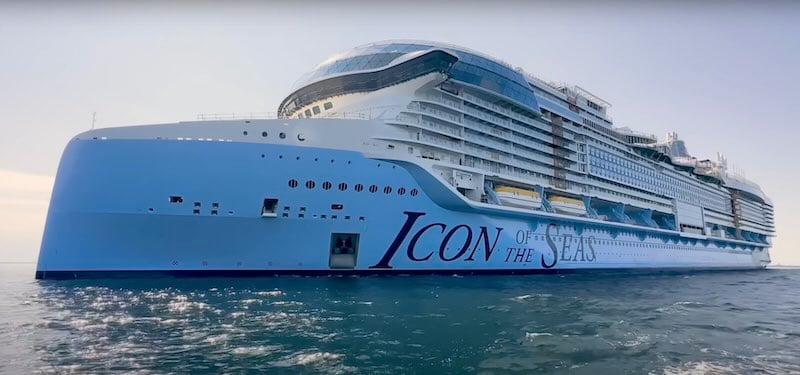
While Icon of the Seas has earned a perfect CDC health inspection score, passengers should also think carefully about their onboard experience when choosing a cabin.
If you’re planning to sail on this ship, check out our guide to Icon of the Seas cabins to avoid learning which rooms may be less comfortable and what to consider before booking.
What Is a Cruise Ship Health Inspection, and How Does the CDC Score Ships?
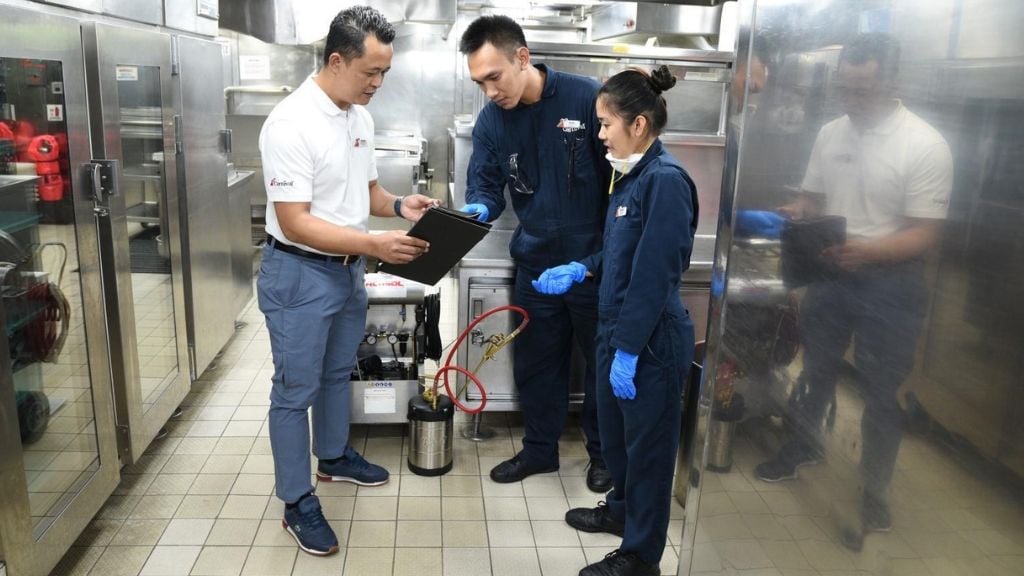
A cruise ship health inspection is an operational assessment conducted to evaluate sanitation, food safety, and public health standards onboard.
In the United States, the CDC operates the Vessel Sanitation Program, which conducts inspections of eligible cruise ships that travel internationally and call at U.S. ports.
The program uses a 100-point scoring system. Inspectors deduct points for significant violations and patterns of sanitation problems.
The official scoring standard is straightforward:
| Inspection Score | CDC Result |
|---|---|
| 100 | Perfect score |
| 86–99 | Passing |
| 0–85 | Failing |
A ship must receive at least 86 points to pass.
The CDC’s inspections are generally unannounced and take place while ships are in U.S. ports. Vessels under the program’s jurisdiction are normally subject to two inspections annually, although schedules can vary.
According to the CDC, inspections typically take six to eight hours, depending on the vessel’s size, the number of inspectors, and the issues identified.
What Areas Does the CDC Check During a Cruise Ship Health Inspection?
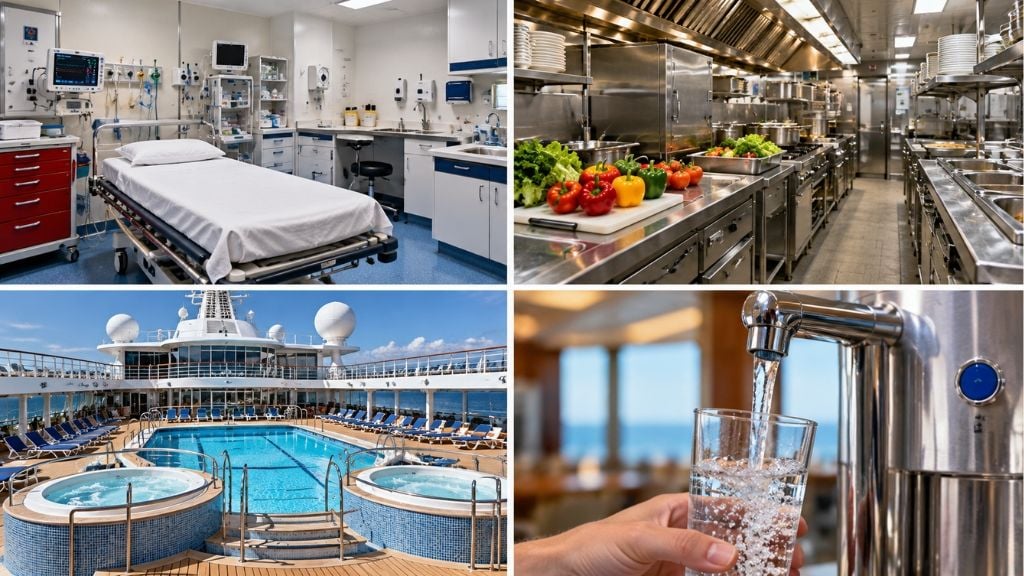
The CDC evaluates multiple areas of a cruise ship to determine whether it maintains appropriate public health and sanitation standards.
The inspection covers eight main areas:
1. Medical Center
Inspectors evaluate medical facilities and procedures used to manage illness and protect passengers and crew.
2. Drinking Water
Water systems are checked to ensure that drinking water and water used for food preparation meet public health standards.
3. Galleys and Dining Rooms
Food preparation, storage, cooking temperatures, cleaning equipment, and general dining-area hygiene are examined.
4. Swimming Pools and Hot Tubs
Inspectors assess recreational water facilities and related sanitation procedures.
5. Housekeeping
Cabins, public spaces, and cleaning practices are reviewed for proper hygiene and sanitation.
6. Pest and Insect Management
Inspectors look for signs of insects and pests and evaluate the ship’s pest-control measures.
7. Child Activity Centers
When available, children’s facilities are checked for appropriate cleanliness and hygiene practices.
8. Heating, Ventilation, and Air Conditioning
HVAC systems are assessed to support suitable indoor air quality and public health conditions.
Inspectors may also interview crew members to determine whether they understand the sanitation requirements associated with their responsibilities.
What Happens When a Cruise Ship Fails a CDC Health Inspection?
A failing cruise ship health inspection does not automatically mean that the vessel will be removed from service or that upcoming sailings will be cancelled.
Instead, the cruise line is responsible for correcting the deficiencies identified by inspectors.
Critical violations must be corrected immediately, while other problems may require additional time and maintenance work.
Cruise lines must submit corrective-action statements explaining how they have addressed the deficiencies. The CDC may also conduct a reinspection within a reasonable period to evaluate whether the problems have been resolved.
The CDC can recommend that a cruise ship stop sailing if there is an imminent public health risk, but such recommendations are rare.
It is also important to understand that an inspection score reflects conditions observed at a particular time. A failed result does not necessarily represent the ship’s current sanitation condition after corrective actions have been completed.
Passengers can check inspection reports, scores, and available corrective-action information through the official CDC Vessel Sanitation Program inspection database.
Should Passengers Be Concerned About Cruise Ship Health Inspection Failures?
A failed inspection deserves attention, particularly when reports identify problems involving food safety, pest control, and sanitation.
However, passengers should avoid assuming that every person onboard will become sick or that a ship is automatically unsafe to sail.
Inspection reports identify deficiencies that need attention. They do not establish that a disease outbreak occurred or that every passenger was exposed to a health risk.
Before booking, travelers can take several practical steps:
- Check recent CDC scores: Review the latest cruise ship health inspection report before choosing a vessel.
- Look at inspection history: Compare previous scores rather than making a decision based on one inspection.
- Review follow-up reports: Check whether the cruise line has addressed previously reported deficiencies.
- Maintain good hand hygiene: Wash hands thoroughly before meals and after using public facilities.
- Report symptoms: Contact the ship’s medical center if you develop vomiting, diarrhea, or other concerning symptoms.
These steps can help passengers make informed decisions and reduce avoidable health risks during their vacation.
Jim’s Take on Cruise Ship Health Inspections

A cruise ship should maintain proper food safety and sanitation standards every day, not just when an inspection is scheduled.
Emerald Princess’s score of 78 is especially disappointing given its previous inspection record.
Cruise lines must treat cleanliness as a basic operating requirement, not an occasional priority.
Final Verdict: Cruise Ship Health Inspection
The failed inspections of Emerald Princess and Le Lyrial are a reminder that even established cruise ships can fall short of public health standards. Passengers should review recent CDC inspection reports and follow-up results before sailing.
A ship’s reputation matters, but consistent cleanliness and food safety matter more.
FAQs: Cruise Ship Health Inspection
Which cruise ships failed CDC health inspections in October 2026?
Emerald Princess from Princess Cruises and Le Lyrial from Ponant failed CDC inspections on October 16 and October 17, 2026, respectively.
What score did Emerald Princess receive in its latest health inspection?
Emerald Princess received 78 out of 100, making it the lowest-scoring cruise ship inspection reported so far in 2026.
What was Le Lyrial’s CDC inspection score?
Ponant’s Le Lyrial received 83 out of 100 during its October 17, 2026 inspection in New York.
What is the passing score for a cruise ship health inspection?
Cruise ships must receive at least 86 out of 100 to pass a CDC Vessel Sanitation Program inspection. Scores of 85 or below are considered failing.
Does a failed cruise ship health inspection mean the ship cannot sail?
No. A failed inspection does not automatically prevent a ship from sailing. Cruise lines must correct the identified deficiencies, and the CDC may conduct a follow-up inspection.
How often does the CDC inspect cruise ships?
Eligible cruise ships under the CDC’s jurisdiction are normally subject to two unannounced sanitation inspections each year while operating within the program’s scope.
Where can I check a cruise ship’s health inspection score?
Passengers can search the CDC’s official Vessel Sanitation Program database to find cruise ship inspection scores, reports, and available corrective-action information.