Cruise booking mistakes can turn what looked like a great vacation deal into a surprisingly expensive trip before you even step onboard.
The problem is rarely one giant mistake. Instead, it’s a series of smaller decisions:
- Booking the wrong cabin
- Chasing the cheapest fare
- Ignoring the true bottom-line price
- Paying for upgrades you’ll barely use
- Locking into travel plans with zero margin for error
Some of those missteps cost you money directly. Others cost you sleep, convenience, flexibility, or the chance to fix a bad decision down the line.
And once final payment approaches? Your options become much more limited.
Table of Contents
Quick Verdict: The Cruise Booking Mistakes That Usually Hurt Most
| Mistake | Biggest Risk |
|---|---|
| Booking by base fare alone | Spending far more than expected |
| Picking a cabin without studying location | Noise, motion, poor sleep |
| Assuming the cheapest fare is automatically best | Losing flexibility or useful inclusions |
| Waiting too long to compare total costs | Missing better-value options |
| Paying for upgrades without a plan | Spending hundreds for little benefit |
| Choosing the wrong ship for your travel style | Paying for features you do not value |
| Ignoring itinerary logistics | Higher transportation and excursion costs |
| Booking flights too tightly | Missing the cruise or creating major stress |
| Skipping price and cancellation details | Losing money when plans change |
The biggest theme is simple: do not judge a cruise by the number shown on the first search screen.
The smartest booking gives you the best overall trip for what you actually care about.
Cruise Booking Mistakes to Avoid Before You Pay
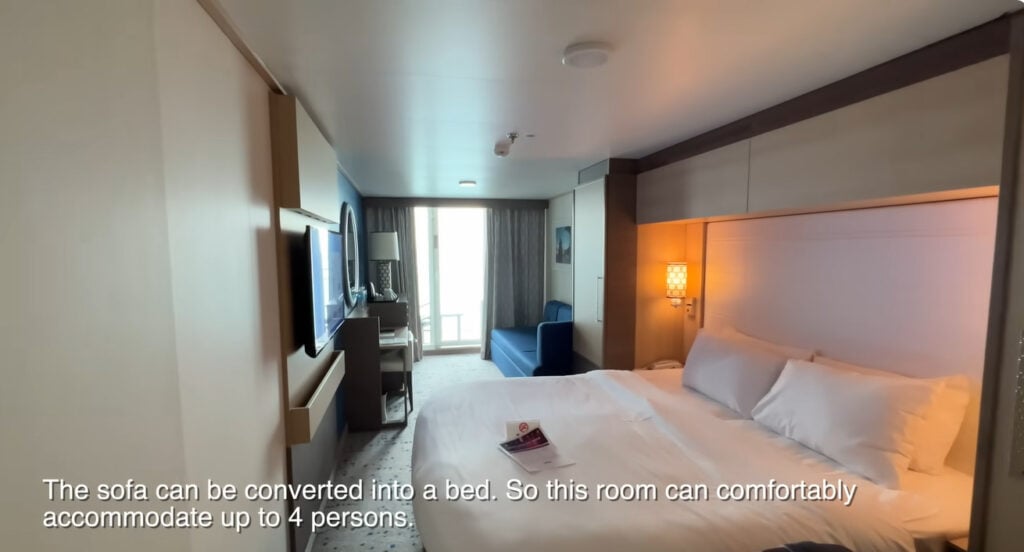
1. Booking the Cheapest Cabin Without Checking Its Location
A cheap cabin in the wrong location can be a great deal. Cruise cabins sit beneath, above, and beside restaurants, theaters, pools, lounges, crew areas, elevators, stairwells, connecting cabins, and other sources of noise or traffic.
If sleep matters to you, cabin location deserves almost as much attention as cabin category.
Why it is a problem: A cabin that saves you a modest amount upfront may put you under a busy public deck, near late-night entertainment, or in an area with more motion than you expected.
Extra considerations: Noise sensitivity, motion sensitivity, hallway traffic, connecting doors, distance from elevators, and what is directly above and below the room can matter more than the view.
Better alternatives: Study the deck plan before choosing a specific cabin. I usually prefer cabins surrounded by other cabins when quiet is the priority. Midship can also be a safer starting point for travelers worried about motion.
Before choosing a room, it is worth learning the worst cabin locations to avoid, especially if you are sensitive to noise, motion, or hallway traffic.
2. Looking at the Advertised Fare Instead of the Real Vacation Cost
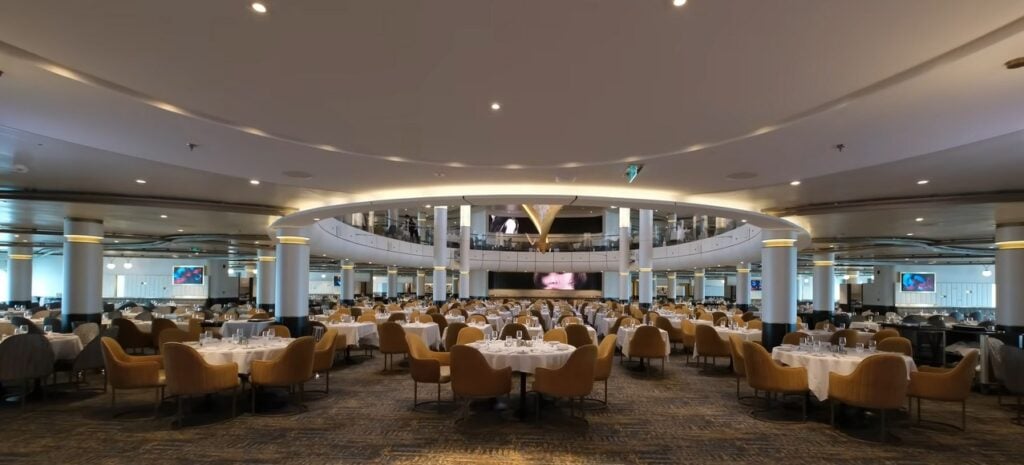
Cruise pricing can make two sailings look much closer in price than they actually are. The fare is only the beginning.
Depending on your trip, you may also need to account for:
- Taxes and fees
- Gratuities
- Transportation
- Hotels
- Parking
- Flights
- Specialty dining
- Beverages
- Internet
- Shore excursions
- Travel insurance
- Onboard activities or upgrades
That does not mean cruising is a bad value. It means you need to compare the real trip cost, not just the headline number.
Why it is a problem: A sailing that appears $200 cheaper can easily become the more expensive choice once transportation, hotels, onboard spending, and itinerary costs are included.
Extra considerations: Short cruises can sometimes have a lower total fare but encourage heavier per-day spending. Cruises from a nearby port may cost more onboard but save substantially on airfare and pre-cruise hotels.
Better alternatives: Build a simple all-in budget before booking. Compare the cruise fare plus the major expenses you know you are likely to buy anyway.
If beverages are a meaningful part of your budget, CruiseSnooze’s Royal Caribbean drink package worth it guide can help you decide whether prepaying makes sense or whether you are better off buying drinks individually.
3. Assuming the Cheapest Fare Option Is Always the Smartest
Cruise lines often offer different fare structures, promotions, or booking conditions. The lowest price may be exactly what you need. But sometimes you are giving up something valuable in exchange for that lower number.
Flexibility matters more than people realize, especially when booking months in advance.
Why it is a problem: Saving a little upfront can become expensive if your plans change and your fare has stricter cancellation, deposit, cabin-selection, or modification conditions.
Extra considerations: Travelers with uncertain work schedules, school calendars, health concerns, or complicated family logistics generally benefit more from flexibility than travelers taking a simple last-minute getaway.
Better alternatives: Compare what you are actually giving up to get the lower fare. If the price difference is small and the more flexible option protects a much larger vacation investment, paying more can be reasonable.
The cheapest booking is not always the lowest-risk booking.
4. Choosing a Ship Before Deciding What Kind of Cruise You Actually Want
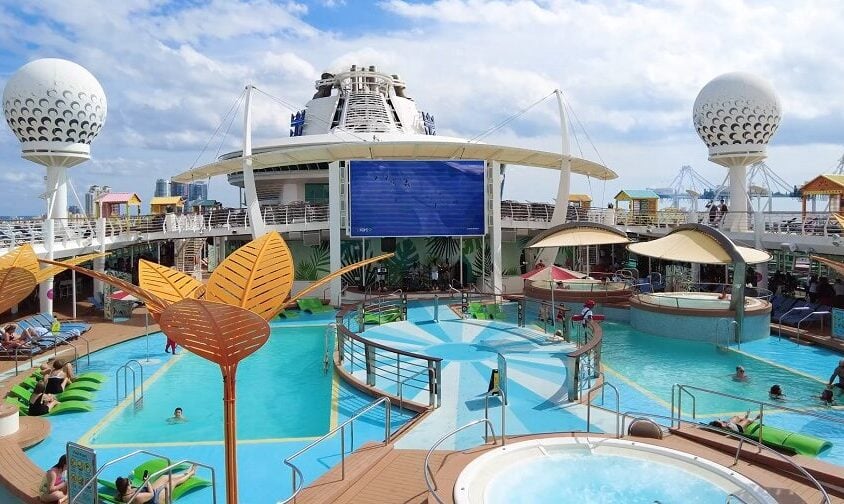
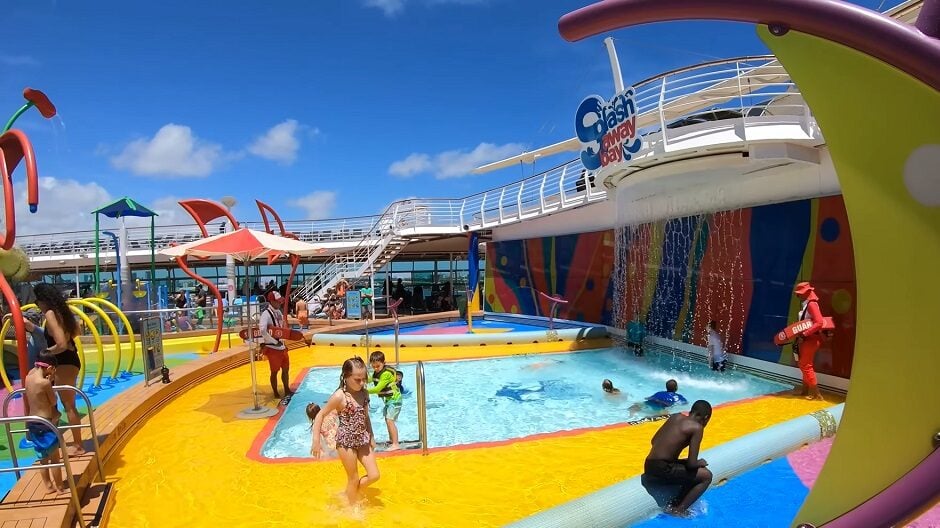
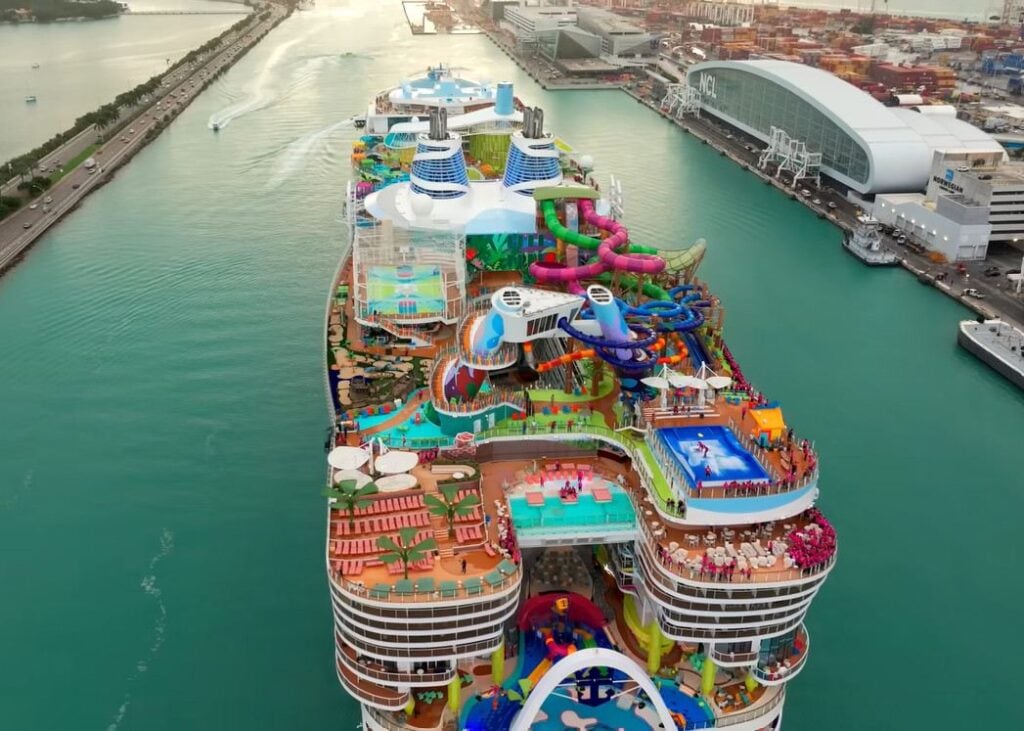
This is one of the easiest ways to spend more and enjoy less. A newer, larger, more expensive ship is not automatically a better ship for you. Some travelers want nonstop activities, waterslides, neighborhoods, shows, and huge dining variety. Others want quiet decks, traditional dining, fewer crowds, and a relaxed atmosphere. Neither preference is wrong.
The mistake is paying for one experience while wanting the other.
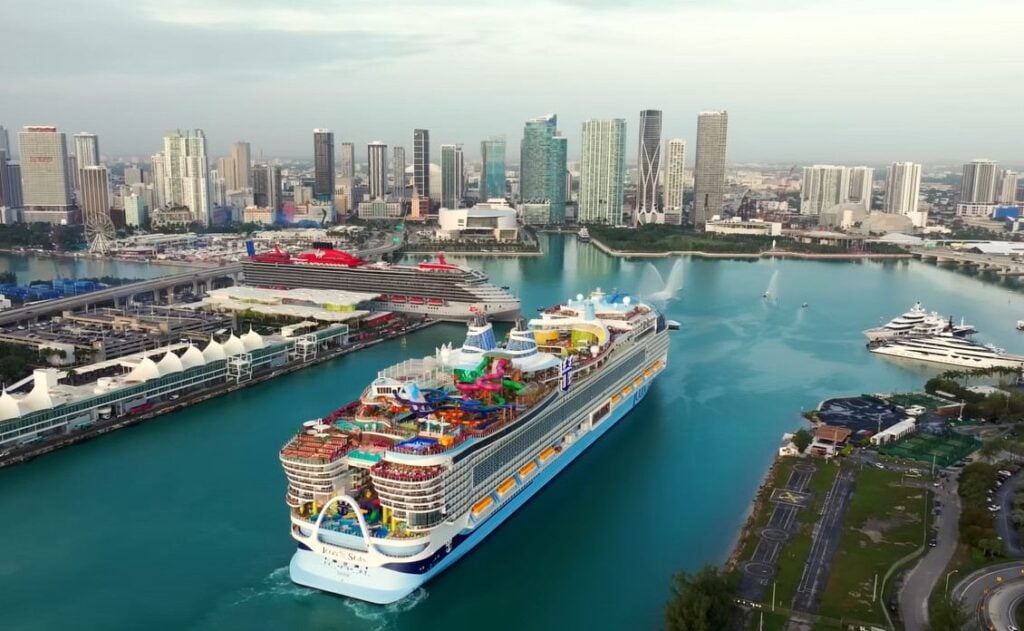
Why it is a problem: You can spend hundreds more for a newer or larger ship packed with features you barely use.
Extra considerations: Families with active kids may get excellent value from a feature-heavy ship. Couples who mainly want sea views, quiet time, and good meals may prefer spending the difference on a better cabin or longer itinerary.
Better alternatives: Choose the cruise experience first and the ship second. Think about your preferred pace, crowd tolerance, activities, dining style, and how much time you expect to spend onboard.
For broader Royal Caribbean comparisons, start with Royal Caribbean ships by size, Royal Caribbean ship classes, or Royal Caribbean ships by age before assuming the newest or biggest ship is automatically worth paying more for.
5. Paying for a Cabin Upgrade Because It Sounds Better on Paper
Balconies, suites, larger cabins, premium locations, and other upgrades can absolutely improve a cruise. But only if you use what you are paying for. A balcony can be wonderful for a couple who enjoy quiet mornings outside.
It can also be an expensive place to dry a swimsuit if you spend nearly every waking hour around the ship.
Why it is a problem: Cabin upgrades can add hundreds or substantially more to the trip without improving the parts of cruising you care about most.
Extra considerations: Consider itinerary length, number of sea days, weather, privacy, how much time you spend in the room, and whether extra space materially improves the trip for your group.
Better alternatives: Ask one question: What will this upgrade actually change about my vacation? If you can name a meaningful benefit you expect to use often, it may be worth it. If the answer is mostly “it seems nicer,” I would be cautious.
I tend to care more about a well-located cabin than a more expensive cabin in a bad location.
6. Ignoring Guarantee Cabins Automatically
Guarantee, or GTY, cabins are not right for everyone. But dismissing them without comparing the savings can also be a mistake. With a guarantee booking, you generally give up control over the exact cabin assignment within the applicable booking structure.
That trade-off can sometimes come with meaningful savings.
Why it is a problem: Travelers sometimes pay substantially more for cabin selection even when they have very few location preferences.
Extra considerations: Guarantee cabins are a poor fit for travelers who are highly sensitive to noise or motion, need cabins near one another, require a specific location, or would be unhappy with an inconvenient assignment.
Better alternatives: Compare the GTY savings with the value you personally place on choosing the room. If location matters a lot, choose it yourself. If you are flexible and the savings are meaningful, the guarantee can be worth considering.
I have personally used GTY cabins when the price difference made sense, and I have sometimes ended up with assignments I was very happy with. That does not make GTY universally better; it makes it a useful trade-off when flexibility matters less than price.
7. Booking the Cruise Without Pricing the Itinerary
People understandably focus on the ship. But the itinerary can have an enormous effect on what you spend after booking.
A cruise with multiple ports where you want paid excursions may cost much more than a sailing with destinations where you are happy exploring independently or staying onboard.
Transportation matters too. A cheaper cruise requiring airfare, a hotel, transfers, and extra meals can cost more than a higher-priced sailing from a convenient home port.
Why it is a problem: You can choose the cheaper cruise fare and accidentally create the more expensive vacation.
Extra considerations: Look at the number of ports, the types of excursions you are likely to want, transportation between the airport and port, parking, hotels, and whether the itinerary includes destinations where you expect to spend heavily.
Better alternatives: Compare itineraries using total vacation cost rather than cruise fare alone.
A port you genuinely want to visit is worth paying for. A port you plan to treat as another ship day may not justify a more expensive itinerary.
8. Booking Flights With Almost No Margin for Problems
Few cruise savings are worth gambling the entire vacation. Flying to your embarkation city with little room for delays can turn one cancelled flight, storm, maintenance problem, or missed connection into a very expensive situation.
The same logic applies after the cruise when booking an unusually tight departure.
Why it is a problem: Missing embarkation can mean lost cruise costs plus expensive last-minute transportation while you attempt to catch up with the ship, assuming doing so is even practical for the itinerary.
Extra considerations: Weather, airport size, number of connections, international travel, seasonal disruptions, distance between the airport and cruise terminal, and traveling with children can all increase risk.
Better alternatives: Build reasonable travel margin into the trip. For many cruisers, arriving in the embarkation city before cruise day is worth the added hotel cost because it dramatically reduces one of the biggest risks in the entire vacation.
Spending a little more to protect a much larger cruise purchase is often money well spent.
9. Booking and Then Never Looking at the Reservation Again

The booking confirmation should not be the last time you think about the price. Cruise fares, promotions, add-ons, and upgrade opportunities can change. Your own plans can change too.
That does not mean every reservation can be repriced or modified the same way. Booking terms, fare rules, timing, and cruise-line policies matter.
But ignoring the reservation completely guarantees you will never spot a better opportunity.
Why it is a problem: You may miss a more attractive price, cabin, package, or booking option that becomes available before sailing.
Extra considerations: Repricing rules can vary, and changing a booking can sometimes cause you to lose another promotion or benefit. Never assume a lower visible fare automatically means your reservation should be changed.
Better alternatives: Periodically compare your existing booking with current options and look at the whole deal, not just one price. Before changing anything, verify exactly what happens to your current fare, cabin, perks, deposits, or other terms.
Which Cruise Booking Mistakes Cost the Most?
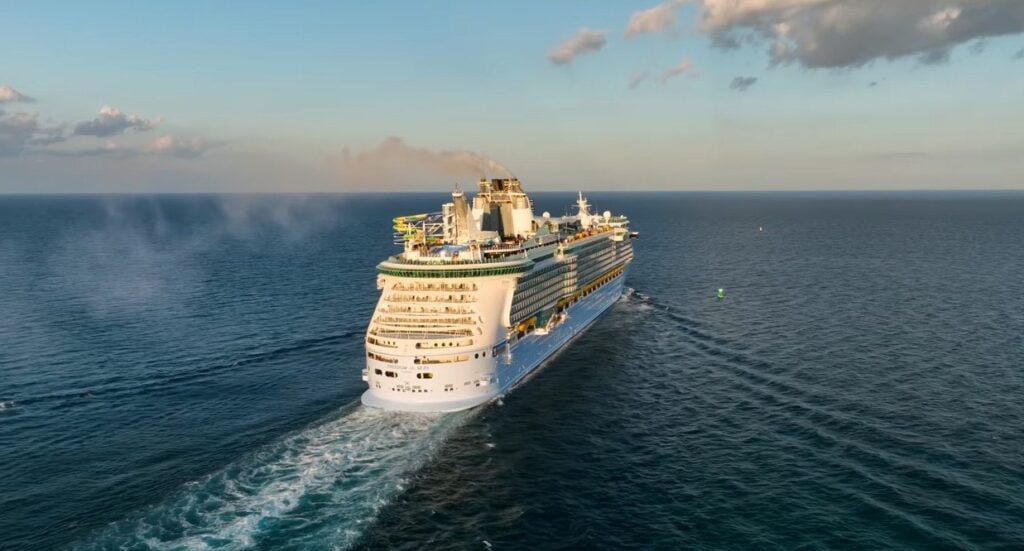
The expensive mistakes usually fall into three categories.
Paying for things you do not actually value
This includes oversized ships you chose only because they were newer, cabin upgrades you barely use, and packages bought without doing the math.
Saving money in places where the downside is much bigger
A cheaper cabin beneath a noisy venue or an ultra-tight flight schedule may save money upfront while exposing the whole vacation to a much larger downside.
Comparing incomplete prices
This is probably the most common issue. A cruise should be compared as a complete vacation.
If one option requires expensive flights, a hotel, transfers, multiple paid excursions, and more onboard spending, it is not really cheaper just because the cruise fare is lower.
Where Spending More Can Actually Be Worth It
CruiseSnooze is not about choosing the cheapest possible vacation. Sometimes the more expensive choice is clearly better value.
I would be more willing to spend extra when the money buys:
- A meaningfully better cabin location
- A cruise from a much more convenient port
- An itinerary you strongly prefer
- Extra travel margin before embarkation
- Space that your family genuinely needs
- An upgrade you know you will use regularly
- Better flexibility on an expensive trip
The key is connecting every added dollar to a benefit you actually care about.
Where I Would Usually Save the Money
I would be much more skeptical of paying extra simply for:
- A newer ship when you do not care about its added features
- A balcony you expect to use very little
- A package you are unlikely to maximize
- A cabin category upgrade with a worse location
- Premium convenience that saves very little actual time
- A famous itinerary stop you are not excited about
There is nothing wrong with spending more on cruising.
Just make sure you are buying a better trip, not merely a more expensive booking.
FAQs About Cruise Booking Mistakes
What is the biggest mistake people make when booking a cruise?
Focusing only on the advertised fare is one of the biggest. The better comparison is total vacation cost, including transportation, hotels, onboard spending, gratuities, and excursions.
Is the cheapest cruise cabin usually a bad idea?
No. Interior and lower-priced cabins can offer excellent value. The bigger issue is location. A cheap, quiet cabin may be smarter than a more expensive cabin in a noisy area.
Is a balcony worth paying more for?
Sometimes. It tends to make more sense for travelers who enjoy private outdoor time, scenic itineraries, or spending meaningful time in the cabin. If you mainly use the room for sleeping and showering, the money may be better spent elsewhere.
Are guarantee cabins worth the risk?
They can be if the savings are meaningful and you are flexible about location. They are less attractive for light sleepers, motion-sensitive travelers, families needing nearby cabins, or anyone with strong location preferences.
Should I book the newest cruise ship?
Not automatically. Newer ships often offer more attractions and dining choices, but they may also cost more. Pick based on the experience you want rather than ship age alone.
Should I always arrive the day before a cruise?
It is often a smart risk-reduction strategy when flying to the port. Your exact decision depends on distance, transportation reliability, flight availability, and personal risk tolerance.
How much extra money should I budget beyond the cruise fare?
There is no universal number because cruise styles vary dramatically. Build the budget around the extras you personally expect to buy rather than using a generic percentage.
Should I buy cruise extras when I book?
Only when the value makes sense. Packages, dining, internet, excursions, and other extras should be evaluated based on how much you will realistically use them.
Can cruise prices change after I book?
Prices and promotions can change. Whether your booking can benefit from a change depends on the cruise line, fare terms, timing, and booking conditions. Always check the full consequences before modifying a reservation.
Is cabin location really more important than cabin type?
For some travelers, absolutely. Light sleepers and motion-sensitive cruisers may enjoy a well-positioned interior cabin more than a poorly located balcony.
Jim’s Take

The cruise booking mistakes I worry about most are not the flashy ones. They are the decisions that look like savings but quietly make the vacation worse.
I would rather spend a little more on a quiet, well-located cabin than upgrade blindly to a “better” category. I would rather pay for a hotel before embarkation than bet an entire cruise on a tight flight. And I would rather sail an older ship that fits how I vacation than pay a premium for attractions I do not care about.
After 20 cruises and counting, cabin location is still one of the first things I examine because bad sleep can affect every day of the trip. At the same time, I am completely willing to use a GTY cabin when the savings justify giving up control. The important part is understanding the trade-off before clicking “book.”
That is the real goal: spend where the money meaningfully improves your cruise and save where it does not.
If you are still narrowing down Royal Caribbean options, comparing Royal Caribbean ships by size, Royal Caribbean ship classes, and Royal Caribbean ships by age can help you decide whether paying more for a particular ship makes sense.
Final Recommendation
To avoid costly cruise booking mistakes, compare the total trip cost, not just the advertised fare. Check your cabin location carefully, and pay extra only for upgrades or packages you know you’ll use.
Before booking, compare Royal Caribbean ships by size to see whether paying more for a larger ship makes sense for your travel style.
It is also worth checking the cruise line’s official deck plans and using the CLIA travel advisor directory if you want help comparing fares or cabin options.
A few extra minutes of research before you book can save you hundreds, and a lot of regret later.
The goal is not to book the cheapest cruise.
It is to book the cruise you are least likely to regret.