Why some people love cruising usually comes down to one thing… they booked a trip that matched the way they actually like to travel.
My view is simple; cruises are not automatically amazing, and they are not automatically overrated either. They are highly specific vacations with clear strengths and clear weaknesses.
If you match the ship, itinerary, and onboard rhythm to your personality, cruising can feel incredibly easy. If you book the wrong ship with the wrong expectations, it can feel crowded, rigid, and frustrating fast.
Table of Contents
Quick Verdict
If it were me, I would say a cruise is a great fit if you want:
- to unpack once and visit multiple places
- most of your food and entertainment handled for you
- a vacation with very little day-to-day logistics
- good value for families or mixed-age groups
- a trip where relaxing matters more than deep local immersion
I would be more cautious about cruising if you want:
- late nights in cities
- spontaneous, open-ended travel days
- quiet, isolated wilderness-style travel
- highly authentic local dining in every destination
- complete freedom over your daily schedule
That is the real split in why some people love cruising and others never want to go again.
The Real Mistake Most People Make
The biggest mistake people make is assuming all cruises feel the same.
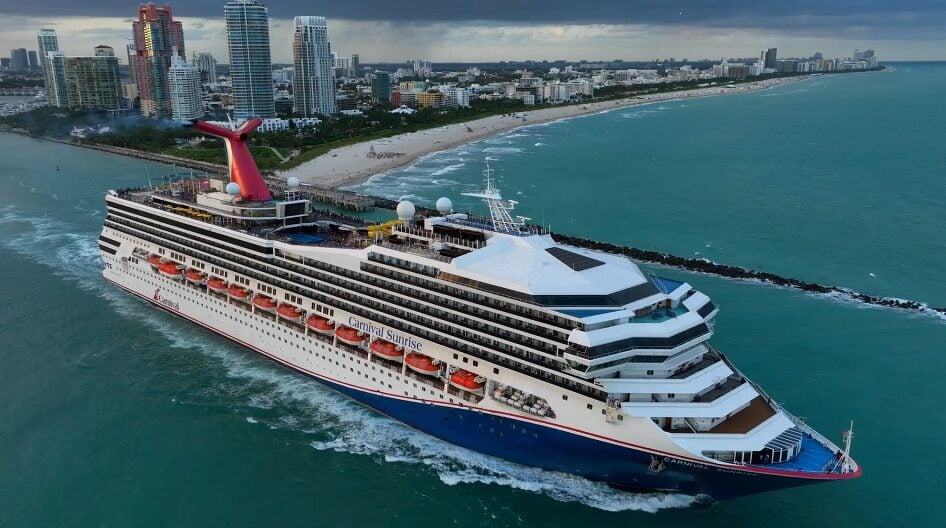
They do not. A short weekend sailing on an older ship can feel like a floating party resort. A longer itinerary on a newer ship can feel much calmer, more comfortable, and far more polished. The people who hate cruising often did not hate cruising itself. They hated the specific ship, itinerary, crowd, or pace they accidentally booked.
A non-obvious truth here is that cruises magnify expectation gaps. If you think you are booking a quiet cultural escape and end up on a loud party-heavy short sailing, the whole trip feels wrong. If you want convenience, structure, and easy entertainment, that same ship might feel perfect.
Quick Decision Guide: Are You a Cruiser?
| If you prefer… | The Verdict | The Reason |
|---|---|---|
| Unpacking once and seeing several destinations | Book the Cruise | You get a lot of destination variety with very little transit stress |
| Deep cultural immersion and late nights in cities | Skip the Cruise | Ships usually leave port too early for that style of travel |
| Having meals, shows, and logistics mostly handled | Book the Cruise | The ship does the planning work for you |
| Total silence, privacy, and no crowds | Skip the Cruise | Even the calmest mainstream ships are still social environments |
What It Usually Feels Like
If you have never been on a ship before, it is easy to picture something smaller and more intimate than what a modern cruise actually is.
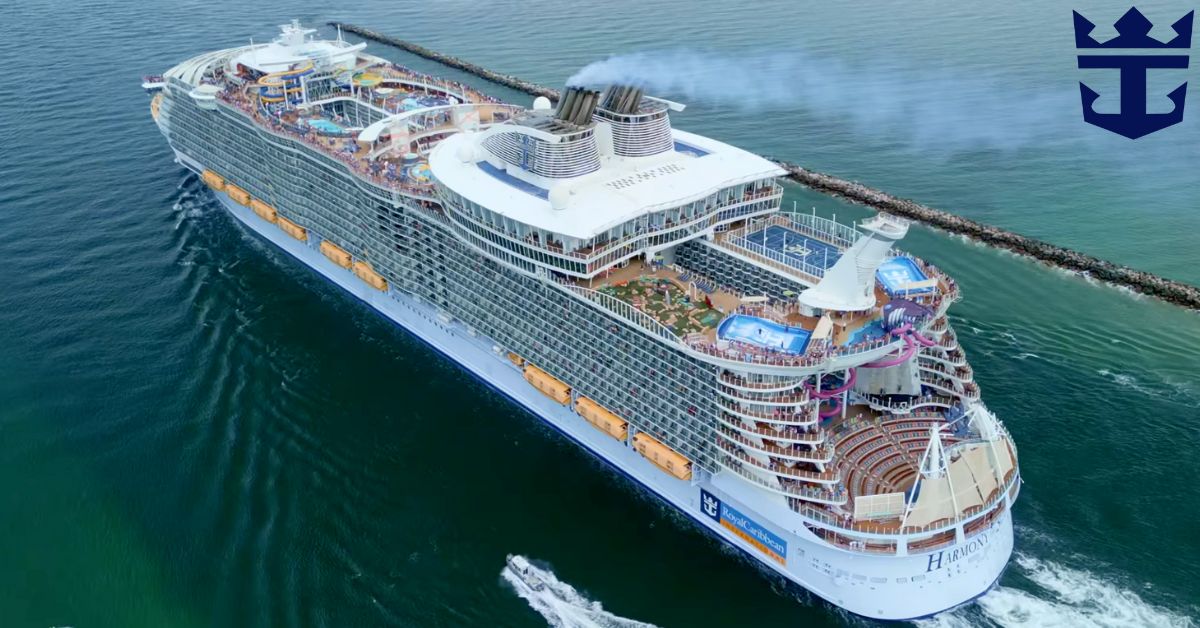
On a large mainstream ship, the experience feels much closer to a floating resort than a traditional “boat trip.” There are restaurants, bars, shows, pools, shops, trivia, kids’ clubs, loud areas, quiet areas, and thousands of people all using the ship differently at the same time.
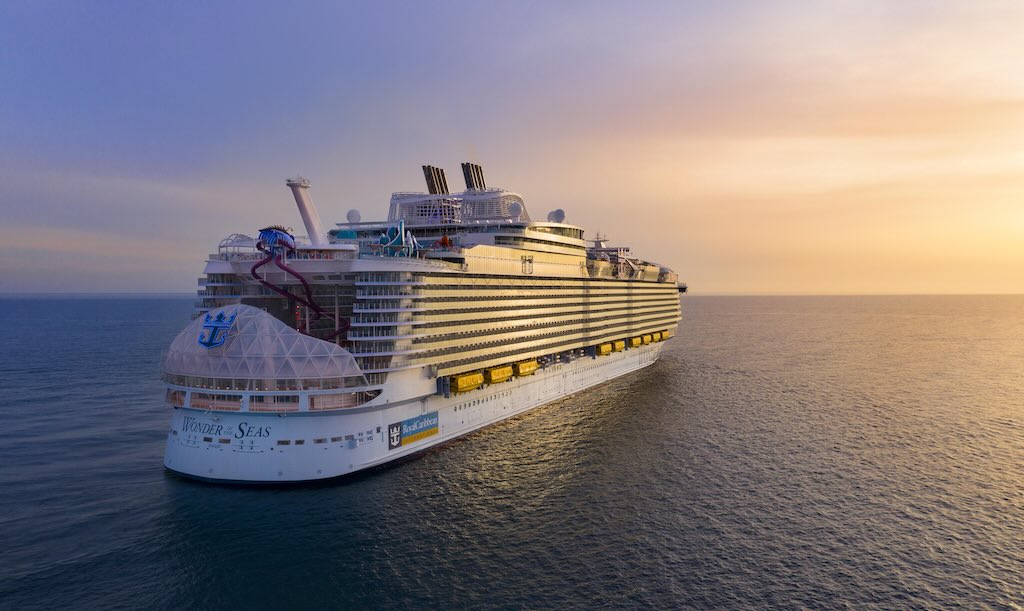
When you compare Royal Caribbean ships by size, the biggest ships can carry a staggering number of passengers. At peak times, the main pool deck can feel chaotic. But oddly enough, the larger the ship gets, the easier it often becomes to find a calmer corner if you know where to look.
The ship usually feels as loud or as calm as you allow it to be. That is one of the most important things new cruisers miss.
Why Some People Love Cruising
1. You Only Unpack Once
This is one of the biggest reasons people fall in love with cruising.
You board, unpack, get settled, and the ship handles the movement from place to place. That is a very different experience from airports, trains, hotel changes, and dragging luggage through unfamiliar streets every two days.
I think this is especially appealing for people who want to see multiple places without turning the vacation into a logistics project.
2. The Built-In Convenience Is Real
Food is nearby. Entertainment is nearby. Your room is nearby. If you are tired, you can retreat. If you want activity, there is always something happening.
For travelers who feel drained by too many decisions, cruises can feel incredibly easy in a good way. You are not constantly solving the trip.
3. It Works Extremely Well for Families and Mixed Groups
This is one area where cruises are genuinely hard to beat.
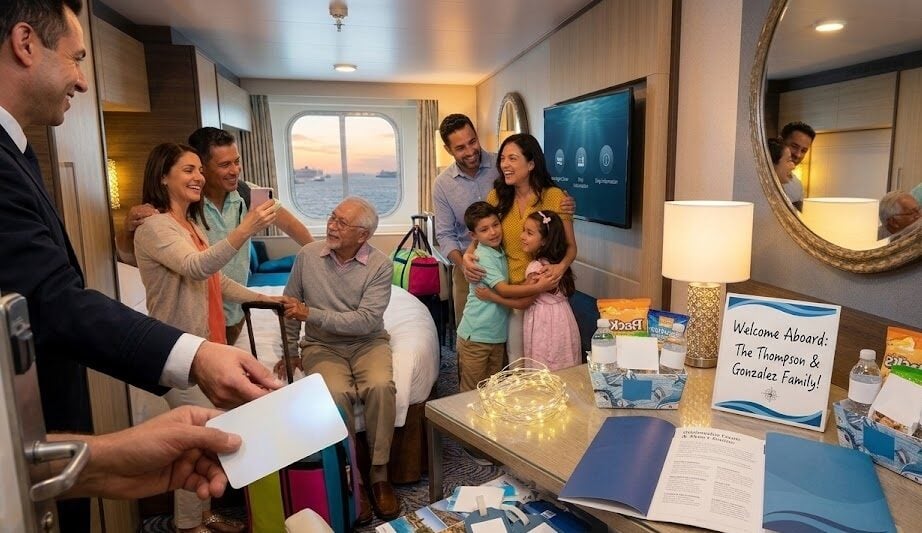
Grandparents, parents, teenagers, and younger kids can all do different things during the day and still reconnect easily for dinner. That kind of built-in flexibility is hard to recreate on a land vacation without a lot more coordination.
I usually think this is one of the clearest reasons why some people love cruising year after year.
4. The Value Can Be Strong If You Use the Ship Well
Cruises are not cheap, but they can be efficient value if you like the package they are actually selling: room, transportation, basic food, and standard entertainment bundled together.
The people who get the most value are usually the ones who understand what is included, what is not, and where the upsells are coming from. If you are already thinking about extra spending, something like Royal Caribbean drink package worth it is exactly the kind of decision you should sort out before boarding, not after a bartender starts the sales pitch.
5. It Is a Great “Sampler” Vacation
Some travelers use cruises to test destinations rather than fully experience them.
That can actually be a smart use of the format. You get a taste of several ports, figure out which ones interest you most, and then come back later for a deeper land trip.
I think cruising works very well for that kind of traveler.
Best Options for Different Traveler Types
The Decision-Fatigued Parent
If you make decisions all day at work or at home, cruising can feel like a relief. Meals, entertainment, activities, and transportation are largely handled.
You still make choices, but not endless logistical ones.
The Multigenerational Family
This is where cruises shine. Different ages can do different things without the trip feeling disconnected.
That is one reason the format stays so popular with large families.
The “Taste-Tester” Traveler
If you want a preview of several destinations rather than one deep dive, cruising makes sense.
It is not the best way to fully know a city. But it can be a good way to decide where you want to return later.
The Resort-Style Vacationer
If you like the idea of staying within one contained environment where everything is easy to access, a cruise is often a strong fit. When you compare different Royal Caribbean ship classes, you can see pretty quickly how much the onboard experience shapes whether that fit feels luxurious, family-focused, or high-energy.
The Reasons People Hate Cruising: Common Mistakes to Avoid
Treating All Ships Like They Are the Same
Why it is a problem: A short party-heavy sailing on an older ship is not the same experience as a longer itinerary on a newer vessel.
Extra considerations: Older ships can have more bottlenecks, fewer calm spaces, and a louder overall energy depending on the itinerary. That is one reason comparing Royal Caribbean ships by age matters more than people think.
Better alternative: Match the ship and sailing length to the mood you actually want. Do not just book the cheapest option and assume the experience will be similar.
Trying to Do Everything on the Schedule
Why it is a problem: Cruise schedules are packed with things to do, and that can trick people into turning the vacation into a checklist.
Extra considerations: If you sprint from activity to activity, stand in lines all day, and treat every show as mandatory, you will go home more tired than when you left.
Better alternative: Pick one or two priorities per day and let the rest of the day breathe. I think this is one of the single biggest mindset shifts that separates happy cruisers from miserable ones.
Ignoring the True Cost of the Trip
Why it is a problem: Some people hate cruising because they feel nickel-and-dimed the whole time.
Extra considerations: The base fare usually does not cover everything. Alcohol, Wi-Fi, gratuities, specialty restaurants, excursions, spa treatments, and add-ons can stack up quickly.
Better alternative: Build the real budget before you book. If you know what you are likely to spend, the cruise feels a lot more straightforward and a lot less irritating.
Step-by-Step: How to Decide If a Cruise Is Right for You
1. Define your real travel goal
If your goal is low-stress convenience, a cruise can be a great fit. If your goal is deep local immersion and open-ended exploration, I would lean land vacation instead.
2. Be honest about your patience for crowds
If lines, buffet congestion, and busy public spaces make you irrationally angry, that matters. Cruises have workarounds, but they do not eliminate crowds completely.
3. Check the actual port times
This matters a lot. If your dream city is only giving you a short daytime window, that can be fine for a highlights tour but frustrating for anyone who wants the city after dark.
4. Think about whether you like structure or freedom
Cruises reward people who are comfortable with some structure. They are much weaker for travelers who want total spontaneity.
5. Choose the right ship, not just the right price
I think this is where a lot of people go wrong. The wrong ship can make cruising feel like something you hate when the real issue was just poor fit.
Who Should Book It
A cruise is usually a strong fit for:
- travelers who want to see multiple places without repacking
- families who need built-in entertainment and flexibility
- people who like resort-style convenience
- travelers who prefer structure over constant planning
- budget-conscious vacationers who like bundled value
Who Should Skip It
You may want to skip cruising if you are:
- someone who values deep cultural immersion over sampling destinations
- a spontaneous traveler who hates fixed schedules
- a foodie who wants every meal to be locally authentic
- someone who strongly dislikes crowds or shared environments
- a traveler who wants silence, solitude, and total flexibility
Skipping a cruise is not missing out. It is just knowing your travel style.
Jim’s Take

Why some people love cruising usually has less to do with the ship itself and more to do with whether they learned how to use it without letting it control the whole trip.
After enough sailings, I think the people who hate cruising are often the ones trying to force the ship to be something it is not. If you spend the whole week chasing every activity, fighting for the busiest bar, and treating the daily schedule like homework, you will probably go home exhausted.
If it were me, I would use the ship as a backdrop, not a taskmaster. I like quiet mornings, a calmer coffee routine, and leaving room for the day to breathe. That is part of why something like Royal Caribbean coffee matters more to some cruisers than flashy onboard sales pitches.
It is also why a port day at Perfect Day at CocoCay can either feel wonderfully easy or weirdly overstuffed depending on how hard you try to optimize it.
My view is that the happiest cruisers are usually not the ones doing the most. They are the ones who understand the ship’s rhythm and stop fighting it.
You do not have to attend everything to get your money’s worth.
FAQs: Why Some People Love Cruising
Do you actually feel trapped on a cruise?
Usually, no. Modern ships are enormous, and most people do not feel physically trapped. But if you strongly prefer total freedom and open-ended travel days, the fixed structure can still feel limiting.
Are cruises overly crowded?
They absolutely can be at peak times. Pool decks, buffets, and embarkation lunch are the biggest examples. But smart timing and better venue choices make a big difference.
Is the food on a cruise actually good?
Usually, yes, but with context. Included food is often solid and convenient rather than extraordinary. Exceptional meals are more likely in specialty venues that cost extra.
Do I have to dress up on a cruise?
Usually not. On most mainstream lines, formal nights are much more optional than people think.
Will I get seasick easily?
Most people do not, especially on large modern ships. A lower-deck midship cabin helps if you are worried about motion.
Are there too many hidden fees?
Only if you do not plan for them. The extras are real, but they are much less frustrating when you know about them before you sail.
Are cruises just for older travelers?
No. That stereotype is badly outdated. Modern mainstream lines target families, couples, and younger travelers very aggressively.
How much time do you actually get in port?
Usually enough for a highlights day, not enough for a deep local experience. That is one of the clearest trade-offs of cruising.
Final Recommendation for Why Some People Love Cruising
Cruising is not for everyone, but it can be an excellent vacation when the ship’s strengths match the way you actually like to travel.
If you want low-stress logistics, built-in entertainment, and easy multi-stop travel, cruising can be a very smart choice. If you want freedom, spontaneity, and deep immersion in each destination, it may be the wrong format for you.
Book the cruise if the structure feels like relief. Skip it if the structure feels like a cage. That is usually the most honest way to decide.
To help you decide based on actual passenger rights and safety standards rather than just marketing photos, I recommend checking out the U.S. Department of State’s Cruise Ship Guide. It offers a non-biased look at what you need to know about documentation, safety, and health before you step on a gangway.