Voyager of the Seas cabins to avoid are usually the rooms that look fine at booking time… but feel very different once you’re trying to sleep. Voyager is a classic, high-energy Voyager Class ship, and that means there are a few very specific cabin locations where engine vibration, late-night noise, early-morning deck chair scraping, or non-stop foot traffic can quietly mess with your whole cruise if you don’t catch them on the deck plan first.
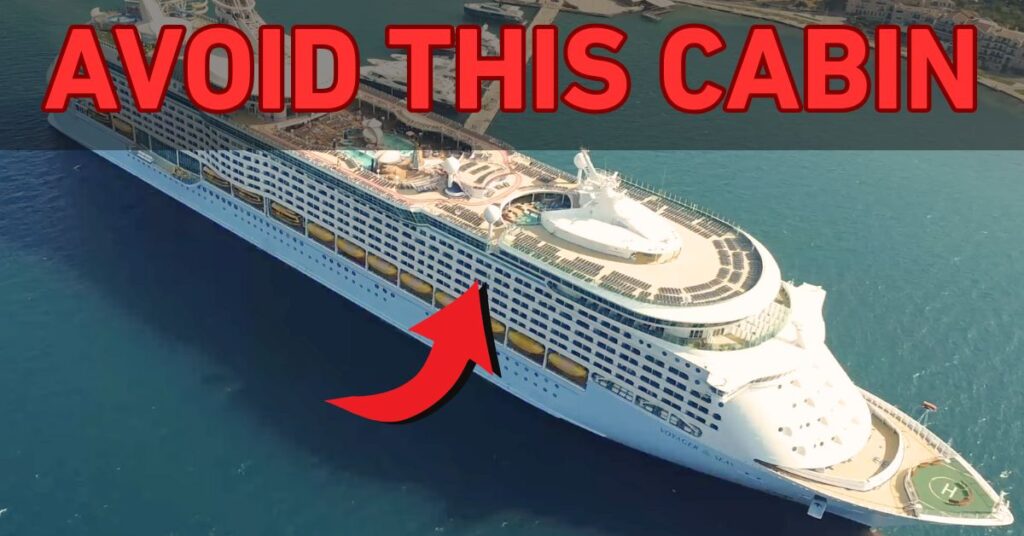
Voyager launched in 1999 and later went through a major Amplification in 2019 (a big refresh that added new features and also added more staterooms), so she’s a fan-favorite mix of old-school Royal Caribbean layout and modern upgrades. That’s awesome for onboard fun… but it also means the ship has a few “hot zones” where sound and vibration travel more than you’d expect, especially in certain Deck 2 and Deck 6 areas, and directly under the pool deck.

Don't Book a Cruise Cabin You'll Regret.
Avoid noisy nights, extra motion, blocked views, and cabins you'll wish you skipped.
- Know which cabin locations to avoid
- Spot noise, motion & blocked-view risks
- Check your cabin in 60 seconds before booking
In this guide, I’m going to walk you through the most common Voyager of the Seas cabins to avoid, why they’re risky, and the smarter alternatives that are often just a few doors or one deck away. You’ll know exactly what to skip, what to grab fast, and how to pick a cabin that actually matches your sleep style and cruise vibe.
Table of Contents
Overview of the Ship & Cabins – Voyager of the Seas
Before breaking down the specific Voyager of the Seas cabins to avoid, it helps to understand how the ship’s staterooms are laid out and why certain cabin categories behave very differently depending on deck, placement, and what surrounds them. Voyager may look straightforward at first glance, but the mix of older ship architecture and post-Amplification additions creates noticeable differences between cabins that share the same category on paper.
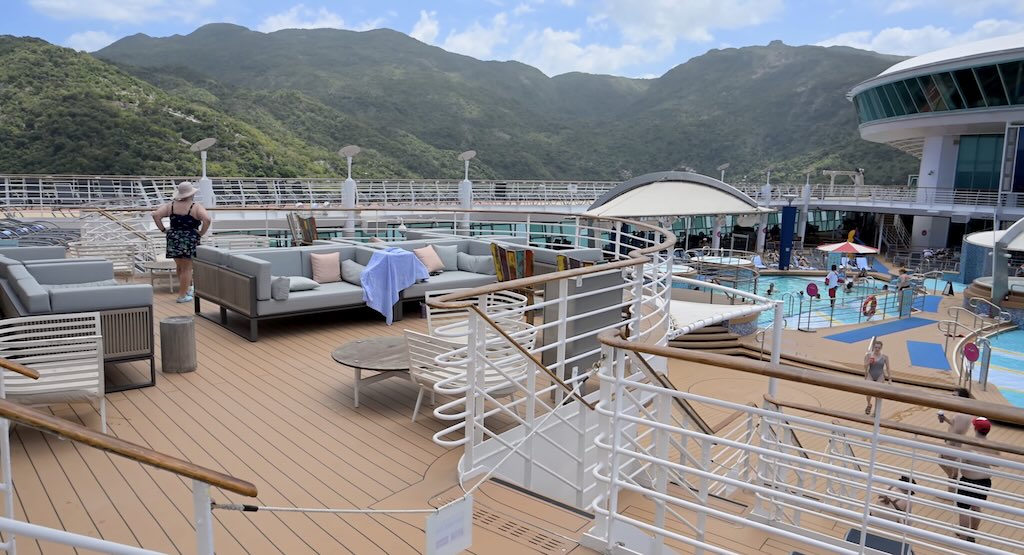
Voyager’s staterooms fall into four main groups … Interior, Ocean View, Balcony, and Suites … but within each group, location matters just as much as size. Two cabins with identical square footage can feel completely different depending on what’s above, below, or beside them, which is why some perfectly normal-looking rooms quietly land on the Voyager of the Seas cabins to avoid list once people actually sail.
The sections below break down how each cabin type typically performs on Voyager, what they’re best suited for, and where placement starts to matter most. This context makes it much easier to spot the risky zones when we get into the exact decks and cabin numbers to skip next.
For a deeper comparison with the rest of the class, see these CruiseSnooze guides:
- Royal Caribbean Ships by Age
- Royal Caribbean Ship Classes Explained
- Royal Caribbean Ships by Size: Smallest to Largest
Voyager of the Seas stateroom types (quick breakdown):
- Inside: Interior Stateroom (sleeps 2 or 4), Promenade View Interior (sleeps 2), Interior with Virtual Balcony (sleeps 2)
- Ocean View: Ocean View (sleeps 2 or 4), Spacious Ocean View (sleeps 2 or 4), Spacious Panoramic Ocean View (sleeps 4), Ultra Spacious Ocean View (sleeps 6)
- Balcony: Ocean View Balcony (sleeps 2 or 4), Spacious Ocean View Balcony (sleeps 2 or 4)
- Suites: Ocean View Panoramic Suite no balcony (sleeps 6), Junior Suite (sleeps 4), Grand Suite 1BR (sleeps 4), Grand Suite 2BR (sleeps 8), Owner’s Suite (sleeps 4), Royal Suite (sleeps 4)
Voyager of the Seas room sizes (smallest to largest)
Cabin sizes vary a lot … with the largest suites being almost 12x the size of the smallest rooms.
Here are the published size ranges, from smallest to largest:
- Interior Stateroom … 160 to 256 sq ft
- Interior with Virtual Balcony … 160 to 256 sq ft
- Ocean View Stateroom … 161 to 276 sq ft
- Promenade View Interior Stateroom … 167 sq ft
- Ocean View Stateroom with Balcony … 198 sq ft
- Spacious Ocean View Stateroom with Balcony … 203 sq ft
- Spacious Ocean View Stateroom … 211 sq ft
- Junior Suite … 277 sq ft
- Spacious Panoramic Ocean View Stateroom … 283 sq ft
- Ultra Spacious Ocean View Stateroom … 328 sq ft
- Grand Suite (1 Bedroom) … 381 sq ft
- Ocean View Panoramic Suite (No Balcony) … 406 sq ft
- Owner’s Suite … 506 sq ft
- Grand Suite (2 Bedroom) … 547 sq ft
- Royal Suite … 1260 sq ft
Interior Cabins
Interior cabins on Voyager of the Seas typically fall in the 160–256 sq ft range (depending on the exact subtype). They’re not huge … but they’re efficient, comfortable, and often the best value on the ship when location is chosen wisely.
Your 3 interior options on Voyager:
- Interior Stateroom (sleeps up to 2 or 4) … 160–256 sq ft
- Promenade View Interior (sleeps 2) … 167 sq ft
- Interior with Virtual Balcony (sleeps 2) … 160–256 sq ft
What you usually get in an interior (and why people book them):
- Dark, cool, quiet sleeping environment (great for deep sleep)
- A simple layout that works well if you’re mostly out on the ship
- The lowest price point on most sailings, which frees budget for excursions, drink packages, or specialty dining
Best for:
- Budget-minded cruisers who plan to be out all day
- Port-heavy itineraries where the cabin is mainly for shower and sleep
- Anyone who sleeps better in total darkness
The tradeoff: no natural light … which is why the location matters even more. If you accidentally land in one of the high-noise zones we’ll cover in the Voyager of the Seas cabins to avoid section, an interior can feel “boxed in” and loud.
If you want the safest interior strategy on this ship, aim for midship interiors on cabin-only decks (cabins above and below you) … it’s the easiest way to reduce surprise noise from venues.
Ocean View Cabins
Ocean View cabins on Voyager of the Seas are one of the most underrated options on the ship when they’re chosen carefully. Most fall in the 160–275 sq. ft. range, depending on category and deck, and they deliver something interiors simply can’t… natural light and a real connection to the ocean.
Typical Ocean View features include:
- A large picture window (much bigger than a traditional porthole)
- Two twin beds that convert to a queen
- A small seating area or sofa
- Desk, vanity, and standard closet storage
These cabins are a strong middle ground for cruisers who want daylight without paying balcony prices.
Ocean View cabins work especially well for:
- Guests who spend downtime reading, working, or relaxing in the cabin
- First-time cruisers who want to see the ocean without stepping outside
- Cooler-weather itineraries where balconies are used less
That said, location matters a lot. Some Ocean View cabins fall into the Voyager of the Seas cabins to avoid category depending on where they sit on the ship.
Potential drawbacks include:
- Forward Ocean Views on lower decks where motion is more noticeable
- Cabins near crew service corridors with irregular cart noise
- Rooms directly under public venues where sound travels downward
- A few Ocean Views with partial obstructions from lifeboat structures
The smartest Ocean View strategy on Voyager is targeting midship Ocean Views on cabin-only decks, where you’re surrounded above and below by other staterooms. Those locations give you light, stability, and far fewer noise surprises.
Balcony Cabins
Balcony cabins on Voyager of the Seas are extremely popular, especially on longer sailings and scenic itineraries. Most standard balcony rooms come in around 198 sq. ft. inside, plus a private balcony of roughly 35–45 sq. ft., which makes a huge difference in how the cabin feels day to day.
Balcony cabins shine for:
- Morning coffee with fresh air
- Quiet sailaways away from crowds
- Private wind-down time after busy sea days
- Bringing natural light deep into the room
Voyager offers both standard and spacious balcony categories, though the size difference between them is modest. In many cases, location matters far more than upgrading to “spacious.”
Where balcony cabins can go wrong:
- Some sit directly under the pool deck, making them classic Voyager of the Seas cabins to avoid due to chair scraping and early-morning setup noise
- Others are stacked above lounges or entertainment venues, where bass and crowd noise bleed upward
- Aft-facing balconies have partially obstructed wake views due to the ship’s stern design
The safest balcony picks on Voyager are:
- Midship balconies on Decks 7, 8, or 9
- Cabins with staterooms above and below
- Locations a few doors away from elevator lobbies
These spots give you the balcony experience without sacrificing sleep quality.
Suites
Suites on Voyager of the Seas range from Junior Suites to the massive Royal Suite, and they offer a noticeable upgrade in space, storage, and comfort. Interior square footage starts around 277 sq. ft. for Junior Suites and goes all the way up to 1,260 sq. ft. for the Royal Suite.
Common suite benefits include:
- Larger seating areas
- Bigger bathrooms
- Deeper, wider balconies
- Priority services and extra perks
Suites are ideal for:
- Families who want space without booking multiple cabins
- Couples celebrating milestones or special trips
- Longer itineraries where cabin comfort really matters
However, even suites are not immune to poor placement. A beautifully upgraded room can still fall into the Voyager of the Seas cabins to avoid if it’s located:
- Directly under the pool deck
- Above late-night lounges
- Near crew-only service areas
The best-performing suites are usually:
- Midship on upper cabin-focused decks
- Surrounded by other staterooms instead of venues
- Positioned away from elevator banks
A well-placed Junior Suite often delivers a better overall experience than a higher-category suite in a noisy zone.
For a visual layout of Voyager of the Seas’ deck plans, including cabin positioning and public areas, check out Royal Caribbean’s official Voyager of the Seas deck plans page.
Cabins to Avoid on Voyager of the Seas
Not every stateroom on this ship delivers the quiet, comfortable retreat you might expect when you’re scrolling through cabin options at booking time. Some cabins sit directly under the pool deck, others are above theaters or late-night lounges, a few are positioned beside crew service corridors, and some are simply placed in high-traffic zones where hallway noise never really stops.
Voyager of the Seas is a lively, high-energy Voyager Class ship, which is exactly why understanding the Voyager of the Seas cabins to avoid is so important. Once you know where noise travels, motion is amplified, and foot traffic stays heavy, it becomes much easier to choose a cabin that actually feels restful instead of one that quietly chips away at your sleep night after night.
Below the Pool Deck and Windjammer Marketplace
Avoid: Deck 10 and Deck 15 cabins directly under the main pool areas, Solarium, and Windjammer buffet
(Specifically: 1248–1305 and 1548–1605)
When people research Voyager of the Seas cabins to avoid, this zone comes up again and again for a reason. These staterooms sit directly beneath the busiest overhead areas on the ship — places that are active from early morning until late at night, often with very little downtime in between.
On the deck plan, these cabins look perfectly fine. They’re not tucked into weird corners, they’re not oddly shaped, and they’re often priced attractively. The problem only becomes obvious once you’re actually inside the room trying to sleep, relax, or enjoy a quiet morning.
Why this area causes problems:
The pool deck, Solarium, and Windjammer Marketplace are all hard-surface, high-traffic spaces. That combination allows sound and vibration to travel downward much more than most cruisers expect.
Common issues reported from cabins in these ranges include:
- Chairs being dragged across the deck during early morning setup
- Pool loungers being repositioned repeatedly throughout the day
- Rolling carts used for towels, cleaning, and food service
- Foot traffic from hundreds of guests walking directly overhead
- Music testing, announcements, and pool games during sea days
- Buffet activity noise from the Windjammer, especially during breakfast and lunch
This is not usually sharp or sudden noise. It’s a steady pattern of scraping, thumping, and low-frequency vibration that can be surprisingly difficult to ignore.
Timing makes it worse:
One of the biggest frustrations with these cabins is that the noise doesn’t follow a neat schedule.
- Morning setup often begins around 5:30–6:00 a.m.
- Activity ramps up steadily throughout the day
- Sea days are noticeably louder than port days
- Evening cleanup can extend well past dinner
If you are someone who likes to sleep in, nap during the day, or unwind quietly in the evening, this area can feel relentless.
Who feels this the most:
These cabins tend to be especially frustrating for:
- Light sleepers
- Guests traveling with young children who nap
- Anyone planning to work remotely from the cabin
- Cruisers who enjoy slow mornings and early nights
- People sensitive to vibration rather than pure volume
Even good earplugs often fail here because the issue is not just sound — it’s movement transmitted through the structure of the ship.
Why people keep booking them anyway:
These cabins continue to get booked because:
- They appear close to the action and convenient
- Pricing can look like a good value for the deck
- The booking map does not show overhead noise risk
- Many first-time cruisers assume noise only travels sideways, not downward
Unfortunately, once onboard, that convenience often comes at the cost of comfort.
Smarter alternatives nearby:
If you want easy access to the pool and Windjammer without dealing with constant overhead activity, small adjustments make a huge difference.
Better options include:
- Choosing cabins one or two decks lower instead of directly underneath
- Targeting staterooms that have cabins both above and below them
- Prioritizing midship locations rather than forward or aft under venues
By moving just a short distance on the deck plan, you dramatically reduce noise while still staying close to food, pools, and elevators.
What you gain by moving down a deck or two:
- Much lower overhead noise and vibration
- Faster access to amenities without the scraping and rolling above you
- Better sleep quality on both sea days and port days
- A calmer, more settled feel inside the cabin
These changes don’t usually cost much more — but they can completely change how rested you feel throughout the cruise.
Bottom line:
Cabins 1248–1305 and 1548–1605 are not “bad rooms” in terms of layout or cleanliness. The issue is location. Sitting directly under Voyager’s busiest public spaces makes them some of the most predictable Voyager of the Seas cabins to avoid if rest matters to you.
If you value quiet mornings, daytime downtime, or uninterrupted sleep, skipping this zone is one of the easiest wins on the entire ship. One small move on the deck plan can turn your cabin from a constant distraction into a true retreat.
Above the Theater, Ice Rink, and Late-Night Entertainment Venues
Avoid: Deck 6 cabins positioned directly above the main theater and Studio B ice rink
(Primarily forward and midship Deck 6 staterooms aligned with these venues)
Another major group of Voyager of the Seas cabins to avoid sits directly above some of the ship’s most active entertainment spaces. On Voyager, the main theater and Studio B ice rink are not just used for short evening shows — they operate across multiple time blocks throughout the day and night.
From a deck plan perspective, these cabins look completely normal. They are often midship, not directly under the pool deck, and sometimes even marketed as quieter because they sit below other staterooms. The problem is not what’s above them — it’s what’s below.
Why this area is risky:
The theater and ice rink both generate low-frequency sound and vibration that travel upward far more than people expect. Unlike hallway chatter or music bleed, this noise often feels structural rather than audible.
Guests in these cabins commonly report:
- A dull thumping or pulsing during shows
- Bass vibrations traveling through the floor
- Applause and crowd noise late in the evening
- Rehearsals and sound checks earlier in the day
- Ice resurfacing and equipment movement in Studio B
You may not always hear voices clearly, but you will feel the activity — especially when the ship is quiet elsewhere.
Why Voyager makes this worse than newer ships:
Voyager is a classic Voyager Class design, and while the 2019 amplification modernized the ship, the original structural layout remains. That means:
- Venues are stacked more tightly beneath stateroom decks
- Sound insulation is not as aggressive as on newer mega ships
- Entertainment spaces sit directly below cabins instead of being isolated
As a result, these cabins experience more upward noise transfer than many cruisers expect, especially if they’ve sailed newer Oasis or Quantum Class ships.
Timing matters here too:
This area is particularly disruptive because activity is spread across the entire day.
- Afternoon rehearsals and sound checks
- Evening main shows, often ending after 10:30 p.m.
- Late-night events, ice shows, or themed programming
- Occasional early morning setup or maintenance
If your sleep schedule doesn’t align perfectly with the ship’s entertainment schedule, this can become frustrating very quickly.
Who should avoid these cabins most:
These staterooms are especially problematic for:
- Light sleepers
- Guests who go to bed early
- Families with young kids
- Anyone who naps during sea days
- Cruisers sensitive to vibration rather than noise
Even if the sound level isn’t extreme, the constant low-level movement can make the cabin feel unsettled.
Why people still book them:
These cabins often appeal because:
- They appear central and convenient
- Pricing can be competitive
- They’re not flagged as noisy during booking
- Many people assume noise travels downward, not upward
Unfortunately, the deck plan doesn’t tell the full story here.
Smarter alternatives nearby:
If you enjoy being close to shows but don’t want to feel them through your mattress, there are easy fixes.
Better options include:
- Moving one or two decks higher so cabins sit between other staterooms
- Choosing Decks 7 or 8 midship instead of Deck 6
- Picking cabins slightly off the direct theater footprint
These small adjustments dramatically reduce vibration while keeping you close to the action.
What you gain by moving up a deck:
- Far less low-frequency vibration
- Quieter evenings and calmer nights
- No surprise rehearsals interrupting naps
- A more stable, “hotel-like” cabin feel
You still get easy access to shows — just without them happening underneath you.
Bottom line:
Deck 6 cabins above the theater and ice rink are classic examples of Voyager of the Seas cabins to avoid because the disruption isn’t obvious at booking time. The noise isn’t constant, but when it happens, it’s intrusive in a way that’s hard to ignore.
If your idea of a great cruise includes deep sleep, quiet evenings, or afternoon downtime in your cabin, it’s worth skipping this zone entirely. One deck higher can make the difference between feeling connected to the ship… and feeling like you’re sleeping above a stage.
Near Elevators, Stairwells, and High-Traffic Corridors
Avoid: Cabins located immediately beside elevator banks, stairwells, and main corridor intersections on Decks 6–12
(Typically the first 3–6 cabins on either side of each elevator lobby)
Some of the most deceptively frustrating Voyager of the Seas cabins to avoid are not tied to pools, theaters, or machinery at all. They’re tied to people.
Cabins located right next to elevator banks and stairwells look incredibly convenient on the deck plan. You’re close to everything, you save steps, and it feels like a smart location choice… until you’re trying to sleep.
On Voyager, these high-traffic nodes act like sound magnets.
Why these cabins are a problem:
Elevator lobbies never truly rest. They serve as gathering points, bottlenecks, and transition zones for thousands of guests moving around the ship every day. Sound builds, lingers, and spills outward into the nearest cabins.
Guests in these rooms often report:
- Constant elevator “ding” tones
- Groups talking while waiting for elevators
- Kids running ahead or playing near the doors
- Rolling luggage during embarkation and port days
- Scooters and wheelchairs passing repeatedly
- Late-night chatter after shows and bars close
None of this is wildly loud on its own. The issue is frequency. These noises repeat all day, every day, with heavy spikes early in the morning and late at night.
Why Voyager amplifies this issue:
Voyager of the Seas has:
- Large elevator banks serving multiple major venues
- Long central corridors that funnel foot traffic
- Older soundproofing compared to newer Royal Caribbean ships
That combination means hallway noise carries farther than many guests expect. When your cabin door sits right beside that traffic, you hear far more than people walking by.
Peak problem times:
These cabins are most disruptive during:
- Early mornings (6:00–8:00 a.m.) when guests head to breakfast and ports
- Pre-dinner rush when people return to cabins to change
- Post-show exits when hundreds of guests leave theaters at once
- Late nights when casino and bar crowds drift back toward stateroom decks
If you’re a light sleeper, those early morning surges are often the breaking point.
Cabins directly across from elevators are worst:
The single most problematic placement is a cabin whose door faces the elevator lobby itself. These rooms experience:
- Voices echoing directly into the doorway
- People standing just feet from your cabin while waiting
- Sound bouncing between walls and fire doors
Even heavy sleepers notice these rooms.
Who should avoid these cabins:
This zone is especially rough for:
- Light sleepers
- Families with napping kids
- Guests sensitive to sudden noises
- Cruisers who go to bed early
- Anyone planning port-heavy itineraries
If your cabin is meant to be a place to rest and reset, this is not where you want to be.
Why people still book them:
These cabins often remain available because:
- They appear “central” on the deck plan
- They’re sometimes priced slightly lower
- Booking systems don’t flag them as noisy
- New cruisers prioritize convenience over quiet
Unfortunately, convenience during the day often comes at the cost of rest at night.
Smarter alternatives nearby:
You don’t need to move far to fix this problem.
Better choices include cabins:
- At least 5–8 doors away from elevator banks
- Located mid-corridor rather than at intersections
- On stateroom-only decks with minimal foot traffic
These cabins still offer easy access without the constant noise.
What improves immediately when you move away:
- Fewer abrupt sound spikes
- No elevator chimes near your bed
- Dramatically quieter mornings
- More consistent sleep quality
The difference can be night and day — literally.
Bottom line:
Cabins near elevators and stairwells are some of the most underestimated Voyager of the Seas cabins to avoid. They aren’t bad because of one big problem… they’re bad because of constant small interruptions that add up over the course of a cruise.
Move just a few doors down the hallway and your cabin transforms from a hallway extension into an actual retreat. That small decision often ends up being one of the best upgrades you make on the entire sailing.
Forward Cabins With Increased Motion and Anchor Noise
Avoid: Extreme forward cabins on lower and mid decks, especially Decks 2, 3, and 6
(Typically the first 6–10 cabins at the very front of the ship on each deck)
Another group of Voyager of the Seas cabins to avoid are the ones tucked into the extreme forward section of the ship. These cabins often look appealing on the deck plan because they feel private, quiet, and far away from crowds. In reality, they come with two major tradeoffs that catch many cruisers off guard: motion and mechanical noise.
Voyager is a long, narrow Voyager Class ship, and like all ships of this size, the front of the vessel experiences the most movement at sea. If you are sensitive to motion or even mildly prone to seasickness, these cabins can feel very different from midship rooms.
Why forward cabins are a problem on Voyager:
At the bow of the ship, you feel:
- More vertical motion as the ship rises and falls over waves
- Sharper pitching when sailing into head seas
- Faster, more noticeable movement changes during course corrections
Even on relatively calm sailings, this motion is more pronounced at night when you’re lying still in bed and not distracted by activities.
Lower decks make it worse:
Forward cabins on Decks 2 and 3 sit closer to the waterline and the ship’s structural and mechanical spaces. In these rooms, guests sometimes notice:
- Deep hull noises during rougher seas
- Vibrations transmitted through the forward structure
- Occasional creaking or flexing sounds at night
These sounds are normal for a ship, but they are far more noticeable when you’re directly above them and trying to sleep.
Anchor and thruster noise (big one):
One of the most common complaints from guests in forward cabins is early-morning anchor noise.
On itineraries with tender ports or early dockings, Voyager deploys anchors and bow thrusters directly beneath the forward section. When this happens, cabins in this area can experience:
- Loud grinding or chain noise as the anchor is lowered
- Strong vibration when thrusters engage
- Sudden jolts that can wake you abruptly
This often happens very early in the morning, well before most guests are awake. If you were hoping to sleep in on a port day, these cabins can completely ruin that plan.
Who feels this the most:
These cabins are especially problematic for:
- First-time cruisers
- Guests prone to seasickness
- Light sleepers
- Anyone cruising during shoulder seasons or winter months
- Itineraries with longer open-ocean crossings
Voyager sails a wide range of routes, and sea conditions are not always predictable. A cabin that feels fine on day one can feel very different once the ship hits rougher water.
Why people still choose these cabins:
Forward cabins often remain available because:
- They feel secluded on the deck plan
- They’re sometimes priced slightly lower
- They’re far from pools and entertainment noise
- Some guests assume “front = smoother” (it’s the opposite)
Unfortunately, the quiet hallway does not offset the physical movement and mechanical sounds that come with this location.
Smarter alternatives:
If you want quiet but not motion, look instead for:
- Midship cabins on Decks 7, 8, or 9
- Forward-mid cabins that are not at the extreme bow
- Cabins sandwiched between other stateroom decks
These locations dramatically reduce motion while still keeping you away from pool and nightlife noise.
What improves when you move midship:
- Smoother sailing in rougher conditions
- Fewer nighttime wakeups from movement
- Less mechanical vibration
- More consistent sleep quality
For many cruisers, this single change is the difference between feeling great each morning and quietly fighting fatigue all week.
Bottom line:
Extreme forward cabins are some of the most misunderstood Voyager of the Seas cabins to avoid. They aren’t bad because they’re loud or poorly designed… they’re bad because physics works against them.
You can always walk forward during the day to enjoy the views and feel the power of the ship cutting through the water. At night, your body will thank you for choosing a more balanced, calmer spot to sleep.
Promenade View Interior Cabins Above the R Bar
Avoid: Promenade View Interior cabins directly above the Royal Promenade’s R Bar
(Specifically: 6575, 6577, 6579, 6581, 6583, 6587, 6589, 6591, 6593, 6595, 6597)
These Promenade View Interior cabins sit directly above one of the liveliest late-night zones on Voyager of the Seas. During the day, this part of the Royal Promenade feels energetic and fun. At night, it can turn into one of the loudest interior cabin locations on the ship.
Why this is a problem
The R Bar regularly hosts live music, themed events, and late-night crowds. Sound rises straight up into the cabins above, and because these are interior staterooms facing inward, there is very little natural sound dampening.
Guests in these cabins often report:
• Music and bass vibrations traveling through the floor late into the night
• Crowd noise, cheering, and singing below the windows
• Foot traffic noise echoing through the Promenade
• Bright lighting from the Promenade leaking into the cabin at night
• Activity continuing past midnight on sea days and party nights
Unlike ocean-facing cabins, these rooms don’t benefit from the insulating effect of open air or exterior walls. Everything happening below feels closer.
Why these cabins look fine at booking
On the deck plan, these cabins appear:
• Centrally located
• Convenient for bars, dining, and shopping
• Quiet on paper because they’re interior staterooms
What the deck plan does not show is how active the R Bar area stays after dinner — especially on sea days, themed nights, and shorter itineraries.
Who is most affected
These cabins tend to be especially frustrating for:
• Light sleepers
• Guests who go to bed before midnight
• Families with kids who need darkness and quiet
• Anyone sensitive to bass or vibration through walls
Even guests who enjoy nightlife often regret these cabins once they realize they are living directly above it.
Better alternatives
If you like the Royal Promenade vibe but want to sleep:
• Choose Promenade View cabins farther forward or aft, away from the R Bar zone
• Opt for standard interior cabins on Decks 7, 8, or 9
• Consider ocean view interiors or balconies one deck higher for much better sound isolation
You’ll still be close to the action — just not sleeping on top of it.
Bottom line
These Promenade View Interior cabins are some of the most consistently noisy Voyager of the Seas cabins to avoid. They’re fun to walk past… but exhausting to sleep in.
If nightlife energy is something you want to visit — not live above — skip these specific cabin numbers and choose a quieter interior just a few decks up.
Cabins Near Elevators, Stairwells, and High-Traffic Intersections
Cabins near elevators and stairwells are some of the most commonly misunderstood Voyager of the Seas cabins to avoid. On the deck plan, they look convenient. In real life, they are often surrounded by constant foot traffic, hallway chatter, elevator chimes, rolling luggage, and late-night noise that carries much farther than people expect.
Voyager of the Seas is a busy, social ship with a strong late-night vibe in certain areas. Every time a show lets out, a dining seating ends, or the bars start clearing, passengers funnel toward elevators and stairwells. If your cabin sits right in that path, you hear it all.
Avoid: Deck 9 aft cabins farthest from elevators
9465, 9467, 9469, 9471, 9473, 9475, 9477, 9479
These cabins sit at the extreme aft end of Deck 9, creating two separate problems at once:
• They are very far from the nearest elevator bank
• They sit along a corridor that sees repeated foot traffic as guests pass through
Why this is a problem:
These cabins require a long walk from the elevators, followed by a turn and another stretch down the hallway. That hallway becomes a natural traffic lane for guests heading to and from nearby venues, cabins, and public spaces.
You are more likely to experience:
• Repeated footsteps outside your door throughout the day
• Luggage rolling past during embarkation, disembarkation, and port mornings
• Guests talking as they walk the long corridor, especially at night
• Increased hallway noise compared to mid-corridor cabins
• A constant sense of movement outside the room rather than quiet breaks
On top of that, the walk itself becomes frustrating after a few days… especially on a ship this size. If you’re carrying drinks, plates from the Windjammer, kids, or beach bags, the distance adds up quickly.
These cabins aren’t loud in the nightclub sense — they’re never-ending, which is often worse for sleep quality.
Why elevator-adjacent cabins are risky (even when numbers aren’t listed)
While only the aft Deck 9 cabins above have specific documented numbers, the pattern around elevators and stairwells is consistent ship-wide.
Cabins immediately beside or directly across from elevator lobbies tend to suffer from:
• Elevator arrival chimes at all hours
• Groups gathering while waiting
• Kids running ahead and pressing buttons
• Conversations echoing into the corridor
• Late-night laughter as guests head back from bars
• Early-morning movement on port days
Because Voyager of the Seas has fewer elevator banks than newer mega-ships, those areas concentrate traffic instead of spreading it out.
Better alternatives
If you want convenience without the constant hallway noise:
• Choose cabins 6–10 doors away from elevators, not right beside them
• Aim for mid-corridor cabins rather than corners or dead ends
• On Deck 9 specifically, stay closer to midship instead of extreme aft
• Prioritize decks where you’re surrounded by staterooms above and below
These small shifts dramatically reduce hallway noise while still keeping walking distances reasonable.
Bottom line
Cabins near elevators and major traffic paths look harmless on the booking map — and that’s exactly why so many people end up disappointed. On Voyager of the Seas, the constant movement, chatter, and rolling traffic can quietly chip away at sleep and relaxation.
The aft Deck 9 cabins listed above are the clearest examples of this problem in real cabin numbers. Move just a bit closer to midship, give yourself distance from elevator clusters, and your cabin instantly feels calmer, quieter, and far more livable.
Aft Cabins Near Engines and Mechanical Noise (Deck 2)
Avoid: 2330–2358, 2630–2658
These staterooms sit at the very back of Deck 2, closest to Voyager of the Seas’ propulsion and mechanical systems. While the ship is generally well insulated, low-deck aft cabins experience vibration differently than midship or higher decks, especially when the ship is cruising overnight.
Why this is a problem
Because of their proximity to engine spaces and machinery, these cabins are more likely to pick up low-frequency noise and subtle vibration that never fully disappears. It is not sharp or rattling noise, but a steady hum or tremor that becomes noticeable once you are lying still at night.
Guests in these cabins often report:
• A constant background hum while the ship is moving
• Mild but persistent vibration through the floor and walls
• A sensation of movement even in calm seas
• Difficulty staying asleep during overnight sailing
• Additional noise from activity above during dining hours
Over a multi-night cruise, that steady mechanical presence can feel more exhausting than obvious noise bursts.
Who should be cautious here
These cabins are most likely to bother:
• Light sleepers
• Guests sensitive to vibration
• Anyone prone to seasickness
• Travelers who value quiet nights
• Cruisers on longer itineraries with multiple sea days
If you have ever noticed engine noise on ferries or lower-deck accommodations before, this zone is worth skipping.
Better alternatives
If you want to stay on a lower deck for price or convenience:
• Choose midship Deck 2 instead of aft
• Move up to Deck 3 or Deck 4 midship for less vibration
• Look for cabins surrounded by other staterooms above and below
Even moving up a single deck often makes a noticeable difference in comfort.
Bottom line
These aft Deck 2 staterooms are some of the most vibration-prone Voyager of the Seas cabins to avoid. They are not unusable, but they are far more noticeable at night than cabins positioned farther forward or higher on the ship.
If sleep quality matters to you, relocating even one deck higher or closer to midship is a simple upgrade that pays off every night.
Cabins Near the Theater, Ice Rink, and Late-Night Lounges
Avoid:
2240
3600–3616
These cabins sit directly beside or above Voyager of the Seas’ busiest evening entertainment spaces, including the Palace Theatre, Studio B ice rink, and nearby late-night venues. On a ship with a strong show schedule and active nightlife, this is one of the most commonly overlooked noise zones.
Why this is a problem
Entertainment venues generate a different kind of noise than pools or hallways. Instead of short bursts, you get sustained sound, bass vibration, and crowd movement that follows the show schedule rather than a normal sleep schedule.
Guests in these cabins may notice:
• Music and sound effects carrying through floors and walls
• Low bass vibrations during performances
• Applause and crowd noise after shows end
• Rehearsals or sound checks during the afternoon
• Late-night activity tied to ice shows, trivia, or themed events
Cabin 2240 is especially risky because it sits immediately next to the Palace Theatre, meaning noise can travel sideways as well as upward. The Deck 3 cabins listed above sit beneath Studio B and nearby lounges, where both ice shows and late-night events take place.
Timing is what makes this worse
Most of the noise in this zone happens when guests are trying to relax:
• Early evening production shows
• Late seating performances ending near 10:30–11:00 p.m.
• Post-show crowds lingering in corridors
• Ice rink rehearsals on sea days
On formal nights or sea days, activity can run even later than usual.
Who should avoid this area
These cabins are especially risky for:
• Light sleepers
• Guests who go to bed early
• Families with young kids
• Anyone sensitive to bass or vibration
• Travelers planning afternoon naps
Even if the noise never feels “loud,” the timing alone can be disruptive.
Better alternatives
If you enjoy being near entertainment but want quiet at night:
• Choose one or two decks higher, not directly above the venue footprint
• Aim for midship cabins on Decks 7, 8, or 9
• Pick cabins a few doors away from where the theater or rink outline ends on the deck plan
This keeps you close to the action without bringing it back to your room.
Bottom line
Cabins near the theater and ice rink look harmless on the booking map — and that’s exactly why they catch people off guard. On Voyager of the Seas, these are some of the most schedule-driven Voyager of the Seas cabins to avoid, where your sleep depends on what show is happening below you.
Move up a deck and shift slightly toward midship, and the difference is immediate.
Aft Balcony Cabins With Obstructed Views
Avoid: Aft-facing balcony cabins and suites at the very back of the ship
On most cruise ships, aft balcony cabins are highly sought after for their wake views and open feeling. Voyager of the Seas is an exception. Because of the way the stern is designed, aft balconies are not positioned at the true edge of the ship. Instead, there is a structural overhang and steelwork between your balcony and the water.
Why this is a problem
From these balconies, the view is partially blocked in ways that don’t show up clearly on the booking map. Instead of looking straight down at the wake, you often see ship structure, metal platforms, or an extended overhang that cuts off the view below.
Guests in these cabins commonly notice:
• Steel structures blocking the downward and aft-facing view
• Limited ability to see the wake directly below the balcony
• A more enclosed feeling compared to side balconies
• Less “open ocean” visibility than expected for the price
The view straight out to the horizon is still there, but the classic dramatic wake shot many people expect from an aft balcony simply isn’t the same on Voyager.
Why this catches people off guard
These cabins often look premium on paper:
• Aft-facing location
• Larger-than-average balcony space
• Higher price than standard side balconies
Because of that, many guests book them expecting one of the best views on the ship… only to realize the design limits how much ocean they can actually see.
Who might still like these cabins
Despite the drawbacks, these cabins are not universally disliked. They can still work well for:
• Guests who care more about balcony size than view
• Travelers who like sheltered outdoor space
• Cruisers who spend more time sitting than leaning over the rail
• People who value privacy and fewer hallway neighbors
Corner aft balconies tend to be the best of the group, offering wider angles and slightly better sightlines.
Better alternatives
If you want great views without obstruction:
• Choose side-facing balcony cabins on Decks 7, 8, or 9
• Look for midship balconies for the best balance of view and stability
• If you want wake views, compare deck plans carefully and avoid cabins with structure directly below the balcony
In many cases, a standard side balcony delivers a more satisfying view than an aft balcony on this ship.
Bottom line
Aft balconies on Voyager of the Seas are not bad cabins — but they are commonly misunderstood. The obstructed sightlines and structural overhang mean they don’t deliver the classic aft experience many cruisers expect.
If uninterrupted ocean views matter to you, these are Voyager of the Seas cabins to avoid. If balcony space and privacy matter more than the view below, they can still be a workable option — as long as you know exactly what you’re booking.
Connecting Cabins With Thin Walls
Avoid: Any cabins with a connecting door when you are not booking both rooms together
Connecting cabins are designed for families or groups who book both sides of the shared door. When you only book one side, they quietly become some of the more frustrating Voyager of the Seas cabins to avoid.
Instead of a solid wall between you and the next stateroom, you get a thin internal door. Even when locked, that door does not block sound nearly as well as a permanent wall.
Why this is a problem
Sound travels much more easily through connecting doors than through standard cabin walls. Guests in these cabins often notice:
• Normal conversations from the neighboring cabin
• TV audio, music, or phone calls bleeding through
• Kids talking, laughing, or crying early in the morning or late at night
• Alarm clocks, bathroom noise, or repeated door openings
• Occasional rattling from the door latch in rougher seas
None of this requires loud neighbors. Even average volume sounds carry more clearly through a connecting door than most people expect.
Why these cabins look harmless on the deck plan
On the booking map, connecting cabins look exactly like non-connecting cabins unless you zoom in closely. Many people do not even realize they have a connecting door until they are already onboard.
There is no warning during booking unless you specifically look for the connecting-door symbol.
Who feels this the most
These cabins are especially noticeable for:
• Light sleepers
• Couples looking for privacy
• Guests who go to bed early or sleep late
• Anyone sailing during school holidays when many connecting cabins are occupied by families
If the cabin next door has a different schedule than you, the shared door makes that difference very obvious.
Better alternatives
If you are not traveling with a group that needs the connection:
• Choose cabins without a connecting door whenever possible
• Look for mid-corridor staterooms flanked by solid-wall cabins on both sides
• If price is the same, always pick the non-connecting option
If you are traveling with family or friends and can book both sides, connecting cabins can be fantastic. The issue is only when you end up sharing that door with strangers.
Bottom line
Connecting cabins work great when you control both sides of the door. When you don’t, they are quietly some of the easiest Voyager of the Seas cabins to avoid.
If privacy, quiet, and uninterrupted sleep matter to you, a standard non-connecting cabin just a few doors away will almost always deliver a better experience.
Guarantee (GTY) Cabins
Avoid: Booking Guarantee (GTY) cabins if cabin location, noise, motion, or view quality matters to you
Guarantee cabins look appealing on the booking screen. You pick a category — Interior, Ocean View, Balcony, or Suite — and Royal Caribbean assigns the exact cabin later. The price is usually a bit lower, and sometimes there’s even talk of a “free upgrade.”
On Voyager of the Seas, GTY cabins quietly become one of the biggest sources of regret.
Not because GTY is always bad… but because Voyager has very specific problem zones, and GTY removes your ability to avoid them.
Why GTY is risky on Voyager of the Seas
When you book GTY, you are not choosing:
• Which deck your cabin lands on
• Whether you’re under the pool deck or above a lounge
• How close you are to elevators or stairwells
• If your balcony has a partial obstruction
• Whether you’re forward with more motion or midship and stable
Royal Caribbean assigns whatever cabins remain after guests who selected their exact room have been placed.
And here’s the key point:
The cabins that experienced cruisers avoid… are usually the ones left over.
That means GTY assignments are statistically more likely to land in:
• Cabins under the pool deck or Windjammer
• Cabins above theaters, bars, or the R Bar zone
• Promenade View interiors with late-night noise
• Forward cabins with higher motion
• Cabins near elevators, stairwells, or crew corridors
None of this violates the category you paid for — but it can absolutely violate your expectations for sleep and comfort.
When GTY might be okay
GTY can work if:
• You are a very deep sleeper
• You truly do not care where your cabin is located
• You’re on a short cruise where cabin time is minimal
• Price matters more than comfort
• You’re flexible and understand the risk
Even then, it’s still a gamble — just one you’re choosing knowingly.
Why GTY conflicts with everything you just read
If you’ve read through this guide, you already care about:
• Avoiding noisy decks
• Staying away from late-night venues
• Sleeping well
• Picking a cabin that matches your cruise style
GTY takes all of that control away.
You can do all the research in the world… and still end up assigned to one of the Voyager of the Seas cabins to avoid simply because it was the last one left in your category.
Better alternatives to GTY
If you want to save money and protect your sleep:
• Choose a lower-priced category but select the exact cabin number
• Pick a well-located interior instead of a random GTY balcony
• Target midship cabins on Decks 7, 8, or 9
• Watch for price drops and reprice rather than gambling on assignment
A carefully chosen interior or ocean view almost always beats a poorly placed balcony.
Bottom line
GTY cabins aren’t “bad”… they’re uncertain.
On a ship like Voyager of the Seas — where location matters more than most people realize — uncertainty often equals noise, motion, or disruption you didn’t plan for.
If you care enough to read a full guide on Voyager of the Seas cabins to avoid, the smartest move is simple:
Pick your cabin.
Don’t let the ship pick it for you.
Quick Reference: Voyager of the Seas Cabins to Avoid
| Category | Cabins to Avoid |
|---|---|
| Below the Pool Deck & Windjammer Marketplace | 1248–1305, 1548–1605 |
| Near the Theater & Late-Night Lounges | Deck 3 forward cabins near Studio B ice rink; Deck 6 aft cabins above the Star Lounge footprint |
| Promenade View Cabins Above the R Bar | 6575, 6577, 6579, 6581, 6583, 6587, 6589, 6591, 6593, 6595, 6597 |
| Near Elevators & High-Traffic Intersections | Cabins directly beside elevator banks and main stairwells on Decks 3–10 |
| Forward High-Motion Cabins | Most forward cabins on Decks 2–4 and extreme forward cabins on upper decks |
| Cabins Near Crew Service Corridors | Lower-deck interior and ocean view cabins near service doors and crew access zones |
| Smaller 4-Person Interior & Ocean View Cabins | Standard Interior and Ocean View cabins on Decks 2–4 that sleep four using Pullman bunks |
| Connecting Cabins (Single-Side Bookings) | Any cabins with a connecting door when only one side is booked |
| Guarantee (GTY) Cabins | All GTY Interior, Ocean View, Balcony, and Suite bookings |
Best Cabins on Voyager of the Seas
Choosing the best cabins on Voyager of the Seas is just as important as knowing the Voyager of the Seas cabins to avoid, because this ship rewards smart cabin placement more than most people expect. Voyager is a lively, classic Voyager Class ship with a Royal Promenade, ice rink, FlowRider, and plenty of late-night venues packed into one layout… which means location matters.
Unlike the newest mega ships, Voyager of the Seas feels more compact and energetic, with public venues stacked closer to stateroom decks. That creates clear winners and losers when it comes to cabin choice. Get it right, and your stateroom feels calm, comfortable, and perfectly positioned. Get it wrong, and you may spend the week dealing with noise, motion, or hallway traffic that never fully shuts off.
The good news is that Voyager has a lot of excellent cabins once you know where to look. Often, the difference between an okay cabin and a fantastic one is simply:
• One deck higher or lower
• A few doors closer to midship
• Avoiding a known entertainment or service zone
Pick well, and your room becomes a quiet reset point between ports, shows, and sea days. Pick poorly, and you land in one of the Voyager of the Seas cabins to avoid that we just covered.
In the sections below, we’ll break down the best cabins on Voyager of the Seas based on how people actually cruise, including:
• Best cabins for families
• Best cabins for couples
• Best budget-friendly cabins that still sleep well
• Best suites that actually feel worth the upgrade
Each group focuses on specific decks, layouts, and positioning, and shows you how to get the best experience while staying clear of the noisy, high-traffic, or high-motion areas that catch so many people off guard.
Best Cabins for Families on Voyager of the Seas
Families sailing on Voyager of the Seas need more than just enough beds. You need space to move, easy access to food and pools, and a cabin that stays quiet at night so everyone actually sleeps. Once you eliminate the Voyager of the Seas cabins to avoid, this ship becomes surprisingly family-friendly.
The best family cabins on Voyager share a few key traits:
• Extra square footage or smarter layouts
• Midship placement for smoother motion
• Cabin decks above and below (not venues)
• Reasonable walking distance to pools and Windjammer
• Enough storage so the room doesn’t feel chaotic by day three
When you hit those boxes, Voyager feels comfortable instead of crowded.
Top family-friendly cabin choices on Voyager of the Seas
Spacious Ocean View Cabins (midship on Decks 6–8)
These are some of the most underrated family cabins on the ship. They offer:
• More floor space than standard ocean views
• Large windows for natural light
• Sofa beds that don’t completely take over the room
• Easier daytime flow for kids and parents
They work especially well for families of three or four who don’t need a balcony but want room to breathe.
Standard Balcony Cabins (midship on Decks 7–9)
For families who value fresh air and natural light, these are a sweet spot.
• Balconies give kids space to decompress
• Parents get quiet mornings and evening downtime
• Midship placement keeps motion manageable
• Decks 7–9 avoid most entertainment noise
Deck 8 midship is often the best balance for families… high enough to feel open, low enough to stay stable.
Junior Suites (midship, Deck 10)
If the budget allows, Junior Suites are one of the most comfortable ways to cruise Voyager with kids.
• Noticeably larger interior space
• Bigger balcony for snacks, games, or quiet time
• More storage for shoes, bags, and souvenirs
• Bathroom layouts that work better for families
They feel like a real upgrade without jumping all the way into full suite pricing.
Two cabins instead of one crowded quad
One of the smartest family moves on Voyager of the Seas is skipping tight four-person cabins altogether.
Instead of one cramped interior or ocean view, consider:
• Two interior cabins side by side
• An interior plus an ocean view nearby
• Connecting cabins when you control both sides
You gain:
• Two bathrooms
• Much better sleep schedules
• Space for kids to spread out
• Less friction every single day
This strategy avoids several Voyager of the Seas cabins to avoid that technically “sleep four” but feel uncomfortable once bunks are down.
Family cabin tips for Voyager of the Seas
• Stay midship whenever possible
• Avoid cabins directly under the pool deck if kids nap
• Skip lower-deck quads unless price is the top priority
• Look for cabin-only decks above and below your room
• Choose layout over category — space matters more than labels
Bottom line
Voyager of the Seas works very well for families if you choose the right cabin. Spacious ocean views, midship balconies, Junior Suites, and smart two-cabin setups all deliver a far better experience than squeezing into a noisy or tight room.
Once you avoid the common Voyager of the Seas cabins to avoid, the ship becomes comfortable, fun, and easy to live in… even with kids in tow.
Best Cabins for Couples on Voyager of the Seas
Couples cruising on Voyager of the Seas usually want something very specific: quiet nights, smooth sailing, and a cabin that actually feels like a retreat, not just a place to sleep between activities. Once you filter out the Voyager of the Seas cabins to avoid, there are some genuinely excellent options that feel calm, romantic, and well removed from the ship’s busiest zones.
What matters most for couples
The best couple-friendly cabins on Voyager tend to share these traits:
• Midship placement for smoother motion
• Stateroom decks above and below (no venues overhead)
• Distance from elevators and family-heavy traffic
• Balconies or large windows for light and atmosphere
• Layouts that feel open, not boxed in
Get this right, and Voyager feels relaxed and intimate instead of loud and hectic.
Top cabin picks for couples on Voyager of the Seas
Midship Balcony Cabins on Decks 8 and 9
This is the go-to choice for many experienced cruisers sailing as a couple.
• Excellent balance of height and stability
• Cabins above and below reduce noise bleed
• Easy access to dining and lounges without hallway chaos
• Balconies feel private and usable, not overlooked
Deck 8 midship is often the sweet spot if you want calm nights without feeling far removed from the ship’s energy.
Aft-Facing Balcony Cabins (Decks 7–9)
For couples who love views and don’t mind a touch of extra motion, aft balconies can feel incredibly special.
• Wake views all day and night
• Less foot traffic outside the cabin
• Balconies feel more secluded
• Fantastic for sailaways and sunset drinks
These cabins work best for couples who are not very motion-sensitive and value atmosphere over convenience.
Junior Suites (midship, Deck 10)
If you want a noticeable upgrade without going full luxury, Junior Suites are an excellent couples option.
• More interior space for relaxing
• Larger balcony for breakfasts or late nights
• Extra storage keeps the cabin uncluttered
• Quieter feel than most standard balconies
They are ideal for longer itineraries or milestone trips where you’ll actually spend time in the room.
Quiet Ocean View Cabins (midship, Decks 6 or 7)
Not every couple needs a balcony. A well-placed ocean view can be just as enjoyable.
• Large windows bring in plenty of daylight
• Lower cost than balconies
• Very stable ride when chosen midship
• Often quieter than balconies near public decks
These work especially well for couples who prioritize sleep, reading, and relaxation over outdoor space.
Couples cabin tips for Voyager of the Seas
• Aim for Decks 7–9 midship first
• Stay at least 4–6 doors away from elevators
• Avoid cabins under the pool deck or above theaters
• Skip connecting cabins unless you control both sides
• Choose quiet layout over “cool” location
Bottom line
Voyager of the Seas can feel surprisingly romantic when you choose the right cabin. Midship balconies, aft-facing rooms, Junior Suites, and carefully selected ocean views all deliver a calmer, more intimate experience than many people expect from a high-energy ship.
Once the Voyager of the Seas cabins to avoid are off your list, the remaining options offer excellent sleep, smoother motion, and the kind of quiet moments that make a couples cruise actually feel like a getaway.
Best Budget Cabins on Voyager of the Seas
If you’re trying to keep costs down without accidentally landing in one of the Voyager of the Seas cabins to avoid, cabin placement matters far more than cabin category. Voyager has plenty of affordable staterooms that sleep beautifully… and a handful that look like a deal but come with noise, vibration, or traffic issues that quietly wear you down by day three.
What actually makes a “good” budget cabin on Voyager
The best budget-friendly cabins usually share a few key traits:
• Located on true stateroom-only decks
• Positioned midship for smoother motion
• Away from elevators, crew corridors, and venues
• Simple layouts without Pullmans dropping into walkways
• No public spaces directly above or below
The goal isn’t the cheapest cabin on the booking screen — it’s the cheapest cabin that still lets you sleep.
Best low-cost cabin picks on Voyager of the Seas
Midship Interior Cabins on Decks 7 and 8
These are some of the safest budget cabins on the entire ship.
• Cabins above and below reduce noise bleed
• Midship location minimizes motion
• Interior darkness is great for deep sleep
• Close enough to dining and activities without hallway chaos
For solo cruisers or couples who spend all day out on the ship, these are excellent value cabins that consistently outperform their price.
Quiet Ocean View Cabins on Deck 6 (midship)
If you want natural light but don’t want to pay for a balcony, well-placed ocean view cabins can be a strong upgrade.
• Large windows bring in daylight
• Lower price than balconies
• Stable ride when midship
• Often quieter than balconies near public decks
Just be sure to avoid forward motion-heavy spots and any ocean views close to crew service areas.
Standard Balcony Cabins on Deck 7 (midship)
Sometimes the smartest budget move is a small step up.
• Often only slightly more expensive than ocean views on certain sailings
• Private outdoor space adds huge quality-of-life value
• Far enough from the pool deck to avoid early morning noise
• Stable and quiet when chosen midship
For longer itineraries, this is often the best “value stretch” cabin on Voyager of the Seas.
Two Smaller Cabins Instead of One Crowded Quad
For families or groups, this is one of the most overlooked budget strategies.
• Two interiors or an interior + ocean view
• Two bathrooms instead of one
• Better sleep schedules for adults and kids
• Often closer in price than expected
This approach also helps you avoid cramped four-person layouts that technically work… but don’t feel great after the first night.
Budget cabin mistakes to avoid on Voyager
• Booking the absolute cheapest GTY interior
• Choosing lower-deck cabins near crew corridors
• Picking cabins directly under the pool deck to “save money”
• Overloading a small interior with four people
• Ignoring deck plans and relying on category alone
Most of these end up on lists of Voyager of the Seas cabins to avoid for a reason.
Bottom line
Voyager of the Seas is very budget-friendly if you buy location instead of hype. A quiet midship interior or ocean view will almost always beat a poorly placed balcony that costs more but sleeps worse.
Spend your money on the cruise itself — just make sure your cabin lets you actually rest.
Best Suites on Voyager of the Seas
If you’re considering a suite on Voyager of the Seas, the upgrade can be absolutely worth it — as long as you choose the right location. Even at the suite level, placement still matters, and a poorly positioned suite can land uncomfortably close to the same noise and traffic zones found in the Voyager of the Seas cabins to avoid.
What makes a suite truly “good” on Voyager
The best suites on this ship share a few important traits:
• Located on quieter stateroom-heavy decks
• Not directly under the pool deck or Windjammer
• Away from late-night lounges and show venues
• Midship or slightly aft for smoother motion
• Easy elevator access without being on top of it
When those boxes are checked, Voyager’s suites feel calm, spacious, and genuinely elevated compared to standard cabins.
Best suite categories and locations on Voyager of the Seas
Junior Suites (Deck 10, midship)
This is the sweet spot for many cruisers who want more space without jumping to top-tier pricing.
• Larger cabin footprint with room to move
• Bigger balcony that actually gets used
• Extra storage and seating
• Quieter feel than many balcony cabins below
Midship Junior Suites on Deck 10 are well removed from engine vibration and entertainment noise, making them a strong choice for longer itineraries.
Grand Suites (1 Bedroom) on Deck 10
If you want the full “suite experience,” this is where Voyager starts to feel genuinely luxurious.
• Separate bedroom and living space
• Substantially larger balcony
• More privacy and better flow inside the cabin
• Higher-tier suite perks and priority services
These suites tend to be positioned smartly, avoiding the worst traffic and venue-related noise. For couples or families who plan to spend real time in the room, this is a major quality-of-life upgrade.
Owner’s Suites
Owner’s Suites deliver serious space and comfort.
• Expansive layouts with defined living areas
• Oversized balconies with great views
• Upgraded bathrooms and storage
• Quiet, private atmosphere
They are ideal for guests who value privacy, downtime, and having a true retreat onboard — not just a place to sleep.
Royal Suite
The Royal Suite is the top-tier option on Voyager of the Seas.
• Massive interior space
• Large, private balcony
• Premium furnishings and finishes
• Top-level suite perks and service
From a noise and location standpoint, the Royal Suite is well protected from the problem zones found in the Voyager of the Seas cabins to avoid. The real consideration here is value — this suite is best for milestone trips or travelers who plan to spend significant time enjoying the room itself.
Suite booking tips on Voyager of the Seas
• Always confirm what is directly above and below your suite
• Avoid any suite located under the pool deck or buffet
• Midship suites provide the smoothest ride
• Being near elevators is fine — being directly beside them is not
• A well-placed Junior Suite often beats a poorly placed larger suite
Bottom line
Voyager of the Seas suites can completely change how the ship feels, but only if you choose location as carefully as category. A smartly placed Junior Suite or Grand Suite offers space, quiet, and comfort that makes every sea day better — without risking the noise and disruption found in the Voyager of the Seas cabins to avoid.

Jim’s Take
Voyager of the Seas is one of those ships where cabin choice quietly determines how much you enjoy the cruise. On paper, a lot of staterooms look identical. In real life, some sit over engines, under pools, beside lounges, or right in the path of late-night foot traffic — and those are exactly the Voyager of the Seas cabins to avoid if sleep and comfort matter to you.
The biggest mistake people make is choosing based on category alone instead of location first. A well-placed interior or standard balcony on Voyager will almost always feel better than a larger cabin sitting in a noisy or high-traffic zone.
My personal rule on Voyager is simple:
• Stay midship when possible
• Avoid being directly under the pool deck or Windjammer
• Don’t sit over or beside entertainment venues
• Surround yourself with other cabins above and below
When you follow that approach, Voyager feels balanced, comfortable, and easy to live on. Ignore it, and you end up wondering why your room feels louder, shakier, or busier than you expected.
The good news is that once you understand the layout — and know the specific Voyager of the Seas cabins to avoid — the “good” cabins become very easy to spot. Often, the best choice is only one deck higher, one deck lower, or a few doors down the hall from the problem areas.
Pick smart, and Voyager delivers a classic Royal Caribbean cruise with great energy during the day… and a calm, quiet place to recharge at night.